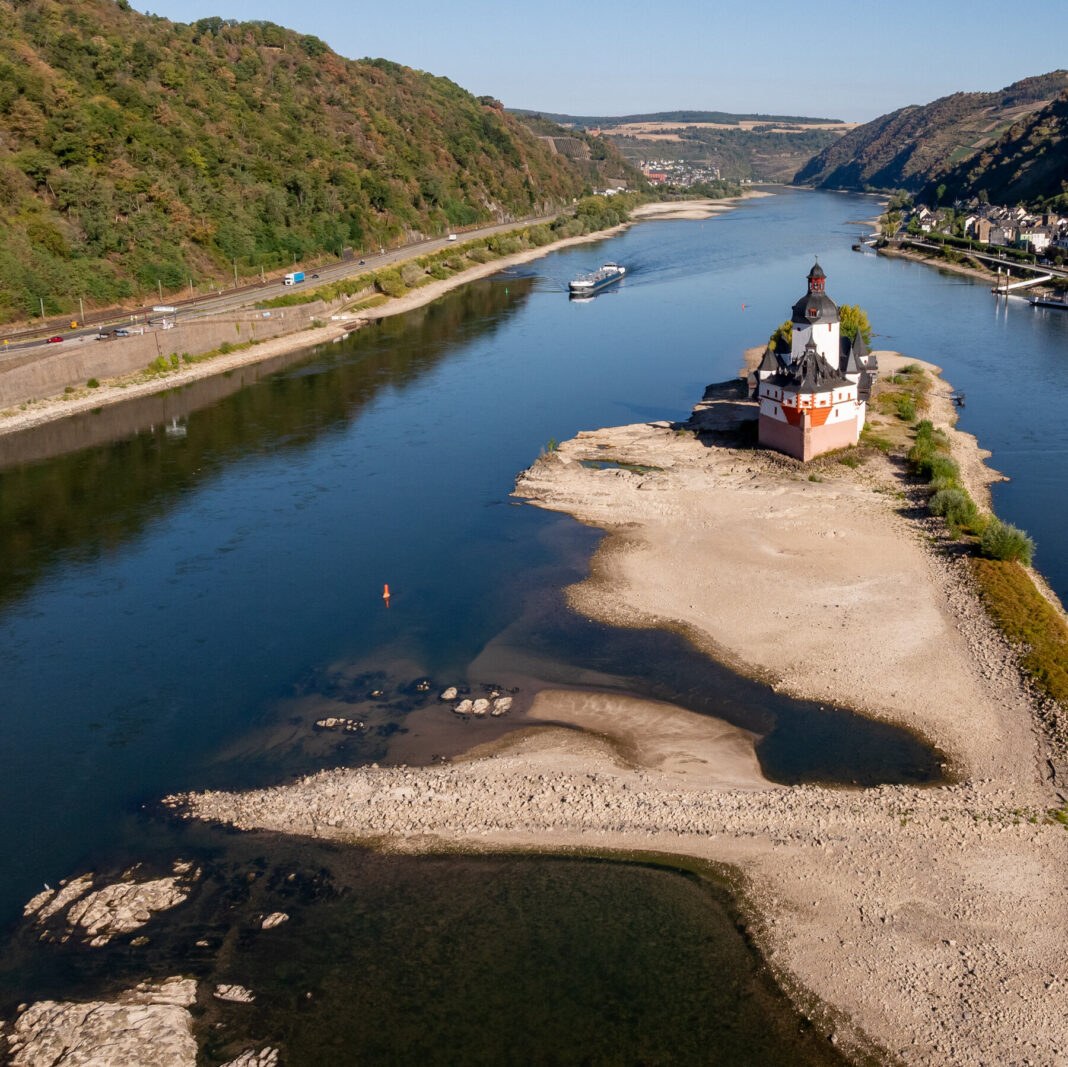
The Danube and Rhine rivers have reached record lows this summer, disrupting hundreds of cruises across Europe. The drought conditions have left major waterways impassable for many vessels, forcing operators to alter itineraries or cancel trips entirely.
River cruising has grown into a significant segment of Europe’s tourism industry, attracting millions of passengers each year. The recent heatwave and lack of rainfall have exposed the sector’s heavy reliance on predictable water levels.
Several cruise lines have shifted passengers to buses to complete portions of their journeys. Other companies have swapped larger ships for smaller ones that can navigate shallower waters. In some cases, entire sailings have been scrapped, leaving travelers to seek refunds or last-minute alternatives.
The low water levels have also delayed cargo traffic, adding strain to supply chains that depend on these rivers. Ports in Germany, Austria, and Hungary have reported reduced activity as barges wait for conditions to improve.
Weather patterns across the continent have intensified over recent years, making such disruptions more frequent. Climate experts point to rising temperatures and prolonged dry spells as key factors affecting the region’s river systems.
Cruise operators are investing in flexible planning tools and adjustable ship designs to mitigate future risks. However, industry officials acknowledge that infrastructure changes and long-term climate adaptation remain complex challenges.
Travelers planning river cruises in late summer are advised to check updates with their providers and consider flexible booking options. The situation remains fluid as forecasts show limited relief in the coming weeks.