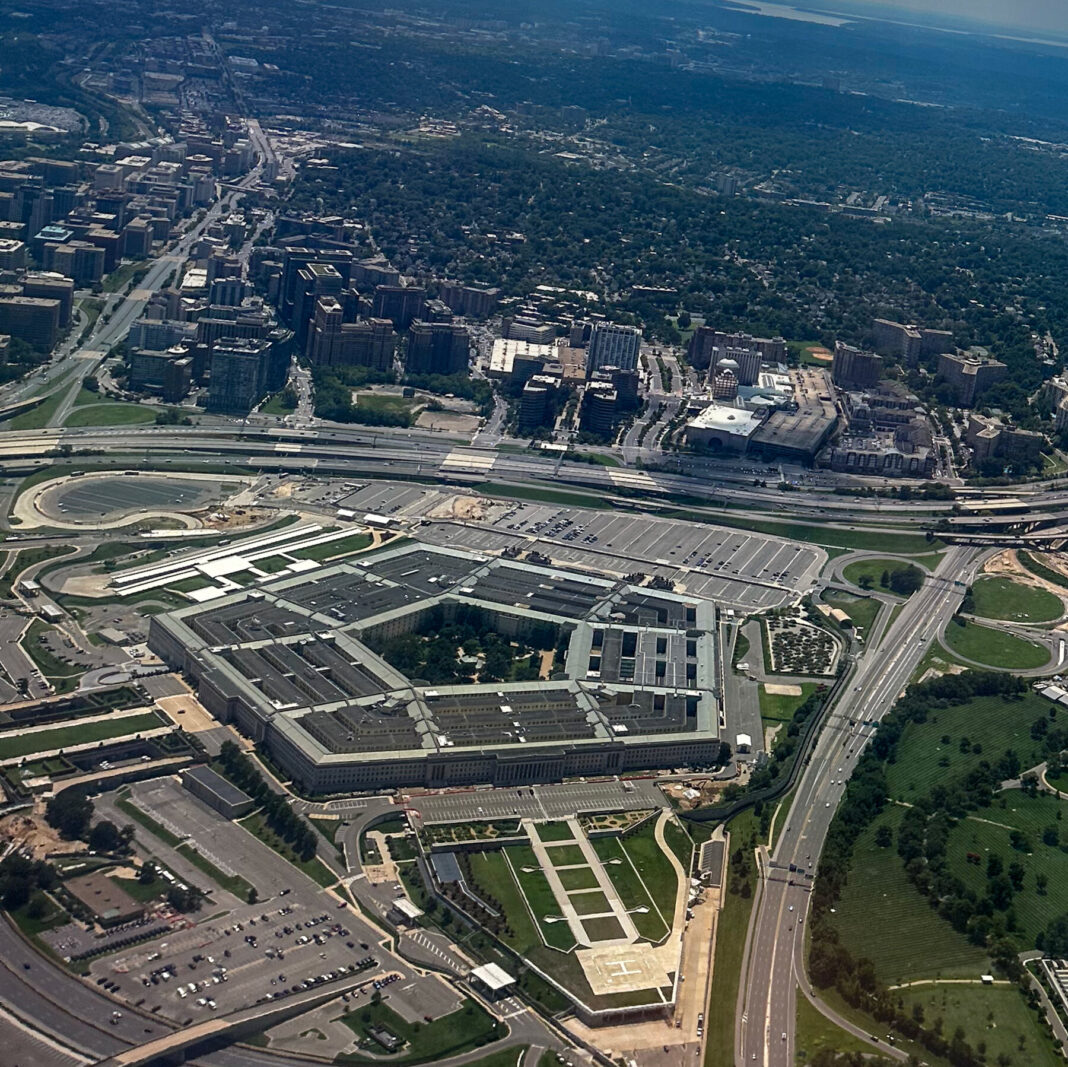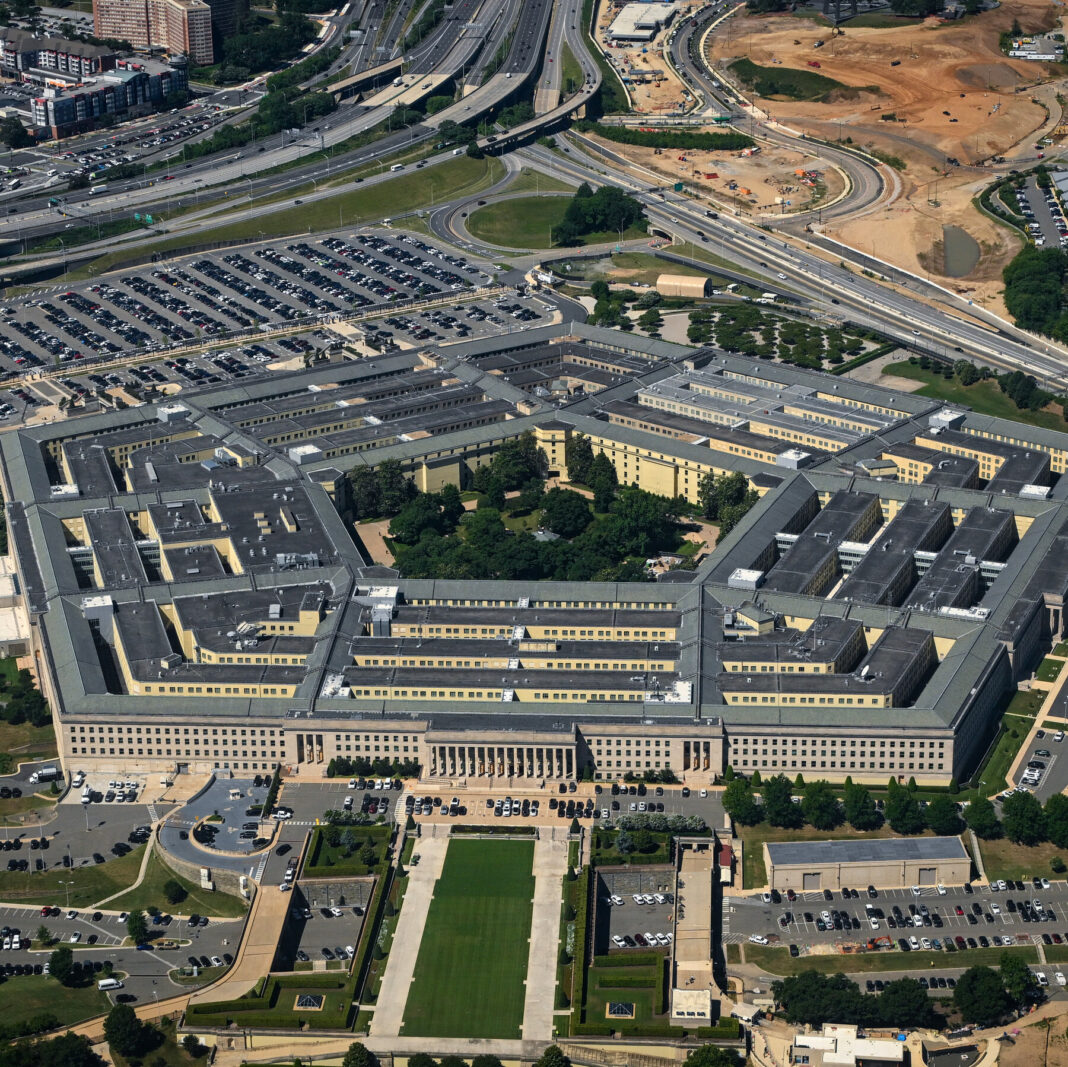
A federal judge declined to block the Pentagon’s decision to terminate several journalists from Stars and Stripes, the military’s independent news outlet. The ruling came after the reporters argued their dismissals were retaliation for coverage of poor conditions aboard a Navy warship. The judge expressed skepticism during the hearing about the strength of the journalists’ claims, signaling a setback for their legal challenge.
The case centers on reporting that detailed deteriorating living and working conditions on a vessel, with sources describing issues such as inadequate food, maintenance backlogs, and low morale. Editors and staff at Stars and Stripes contended that the coverage was balanced and essential, citing the outlet’s long-standing mission to serve as a watchdog for service members. Pentagon officials, however, maintained that the firings were part of a broader restructuring and not tied to specific articles.
During the proceedings, attorneys for the journalists presented evidence they said linked the terminations to the warship series. They pointed to internal communications and timing, suggesting the removals occurred shortly after publication. The judge, however, questioned whether that evidence established a direct causal connection, noting that administrative actions often follow multiple factors.
The judge’s decision means the journalists will not regain their posts pending a full trial on the merits. The case will proceed, but without the immediate injunction, the former staff members face an extended period outside the newsroom. Legal experts following the matter note that proving retaliation in such disputes is a high bar, requiring clear proof that protected speech was a decisive factor.
Stars and Stripes has operated for decades under a unique charter, providing independent reporting to U.S. military communities worldwide. Its staff have historically covered sensitive topics, from combat operations to quality-of-life issues, without direct Pentagon censorship. This legal battle is widely seen as a test of that independence, raising questions about the limits of editorial freedom for employees funded through the defense budget.
The journalists’ legal team has vowed to continue the fight, planning additional motions and discovery requests to uncover more details about the decision-making process. They argue that public interest in a free military press weighs heavily in their favor. Meanwhile, the outlet continues to publish, though with a reduced staff, and readers have expressed concern over the potential chilling effect on future reporting.
Observers note that the outcome of this case could set a precedent for how the Pentagon handles personnel actions involving editorial employees. A ruling in favor of the journalists would reinforce protections for military media, while a loss might embolden officials to tighten control. For now, the focus shifts to the next phase of litigation, with both sides preparing for a lengthy legal process.