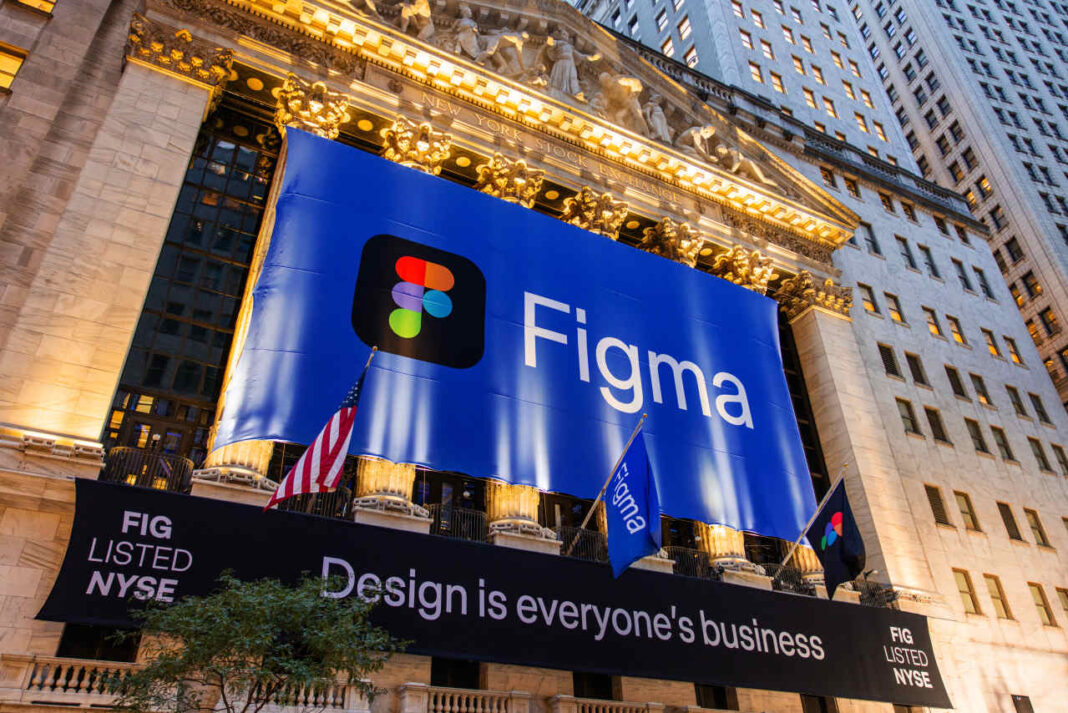
Figma shares fell after investors raised concerns that the company’s artificial-intelligence push is becoming costly. The design-software maker has ramped up spending on AI models and agents. Those features are drawing more users, but delivering them is expensive.
The stock decline reflects a broader worry among shareholders. Growth tied to AI is welcome, yet it often arrives with higher infrastructure and computing bills. Figma is now navigating that trade-off in public markets.
AI models require significant computing power to run. Agents add another layer of complexity and expense. For Figma, the result is rising usage alongside rising costs.
Investors are weighing whether the added engagement will translate into durable revenue. AI features can attract new customers and keep existing ones active. They can also pressure margins if costs scale faster than sales.
The company has positioned AI as a core part of its product roadmap. That strategy aligns with wider industry trends. Software firms across the sector are racing to embed AI into their tools.
Figma’s challenge is to balance innovation with financial discipline. Heavy spending on AI may pay off over time. In the near term, it introduces uncertainty about profitability.
The market reaction shows how closely investors are watching AI economics. Enthusiasm for the technology remains strong. Scrutiny of its costs is growing just as fast.