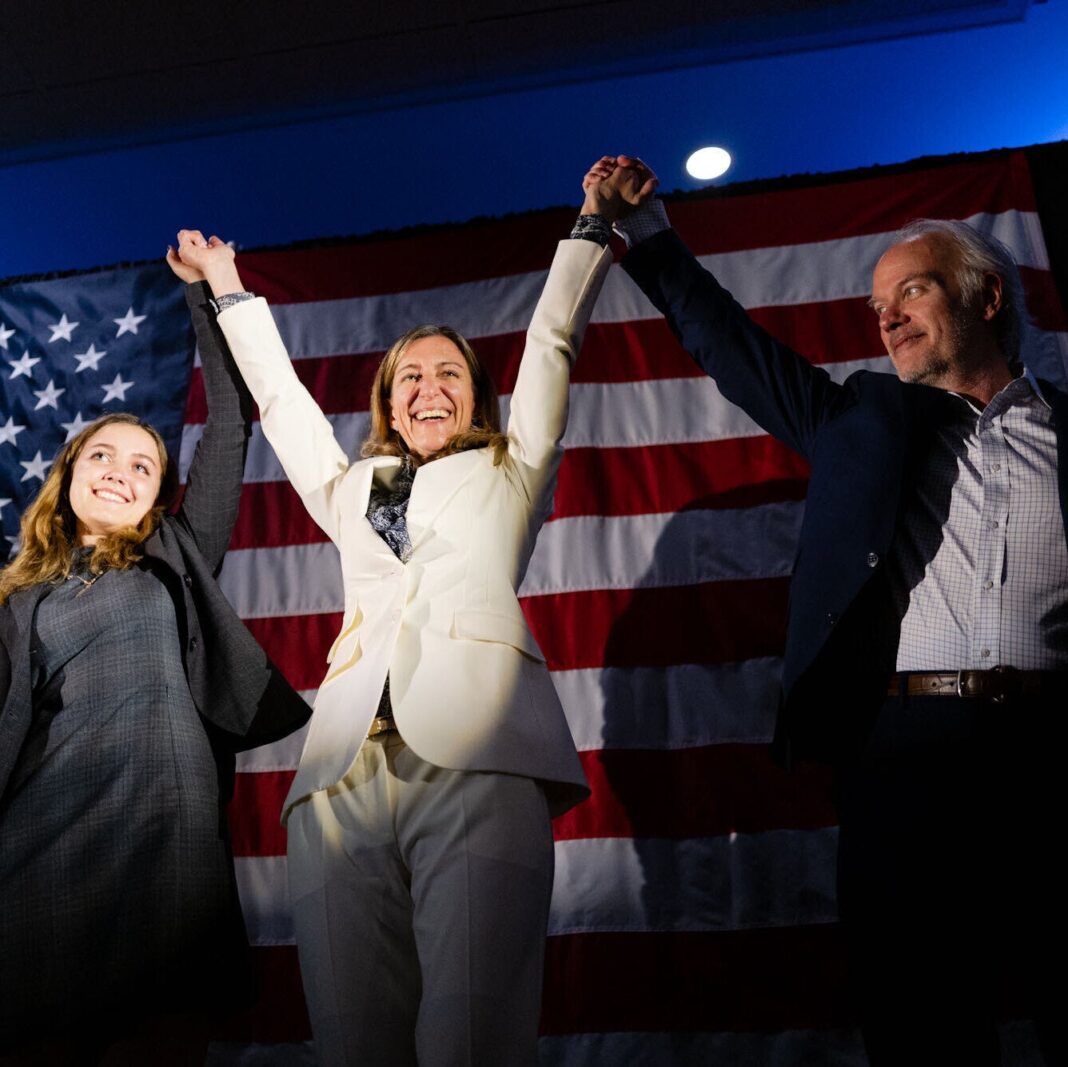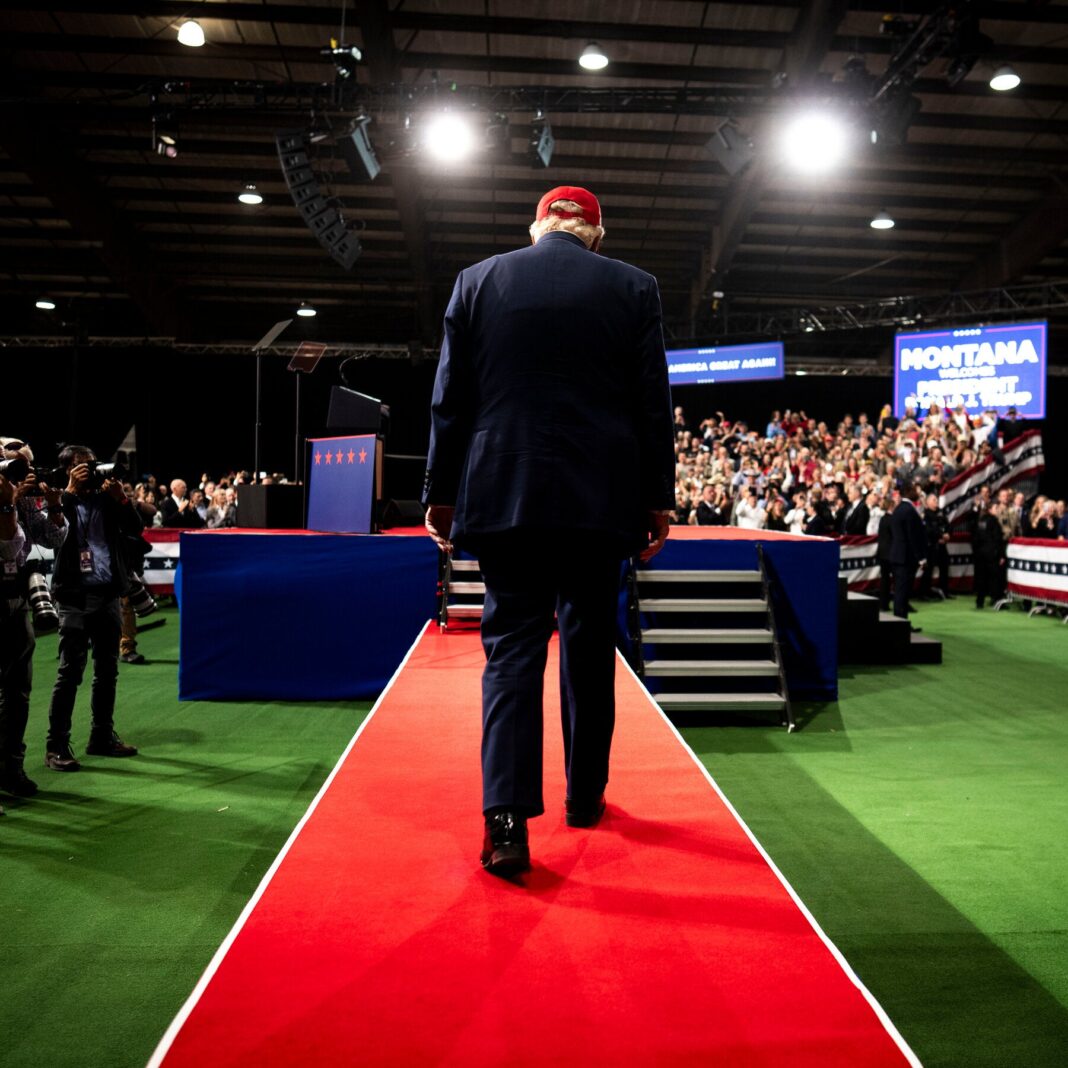
President Trump’s unpopularity and an unpopular war created a decisive opening for Democrats in the 2026 midterms. Sweeping gains followed as voters turned against the administration’s agenda.
The president’s approval ratings stayed low through the campaign season. That weakness forced Republican candidates to distance themselves from the White House.
The war became a central issue in competitive districts. Voters questioned the conflict’s costs and the lack of a clear exit strategy. Democrats pressed that message relentlessly.
Republican retirements left several seats without incumbents. Recruiting struggles followed, and outside groups diverted money to defend once-safe districts.
Democrats focused on affordability and local concerns at the doorstep. Their candidates avoided national headlines and kept messages tightly disciplined.
Turnout among independent and suburban voters shifted sharply toward Democrats. Early-voting data showed enthusiasm gaps that favored the party’s challengers.
The results reshaped the political map ahead of the next presidential cycle. Both parties now face questions about coalition building and message discipline.