Florida’s primary election landscape is defined by a lack of comprehensive polling data. Most statewide races have seen little to no public survey activity this cycle. This leaves voters and analysts with a fragmented view of the electorate’s intentions.
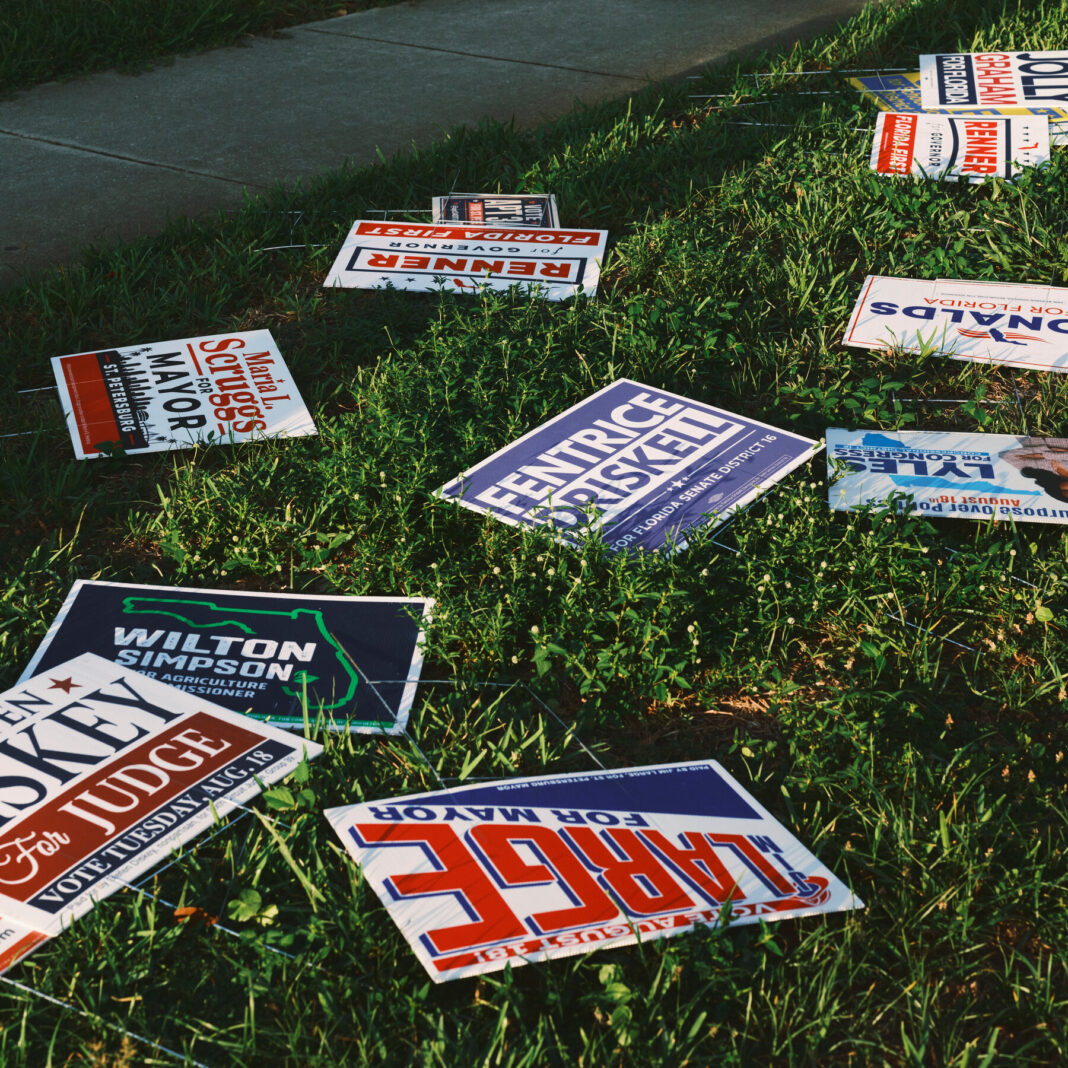
The lone exception is the Republican gubernatorial primary. In that contest, Representative Byron Donalds has emerged with a significant lead. Recent surveys indicate a wide margin between him and his closest competitors.
This robust advantage suggests a potentially decisive outcome on election night. However, the limited data in other races makes predicting results highly speculative. Without reliable polling, candidates and political observers must rely on other indicators.
Down-ballot contests for cabinet positions and other statewide offices are largely uncharted territory. No major polling firms have released substantial data for these races. This absence of information creates an unusual level of uncertainty for campaigns.
Strategists note that this polling vacuum can shift voter behavior at the last minute. Undecided voters may look to name recognition or endorsements for guidance. In such an environment, late-breaking news could have a disproportionate impact.
The situation highlights a broader trend of declining polling investment in midterm primaries. Media outlets and research groups are concentrating resources on competitive national races instead. This leaves state-level contests with a significant information gap.
For Florida’s primary voters, the takeaway is clear. The gubernatorial race appears settled, but other contests remain open to surprise. The final results may diverge sharply from any preconceived expectations.
The lack of granular data also complicates post-election analysis. Without a baseline, it will be difficult to assess voter turnout motivations. This will likely spark calls for more thorough polling efforts in future cycles.
As the primary approaches, the only certainty is the absence of clarity. The polls that do exist paint a limited picture of a complex political landscape. Voters will ultimately decide, armed with far less information than in previous years.