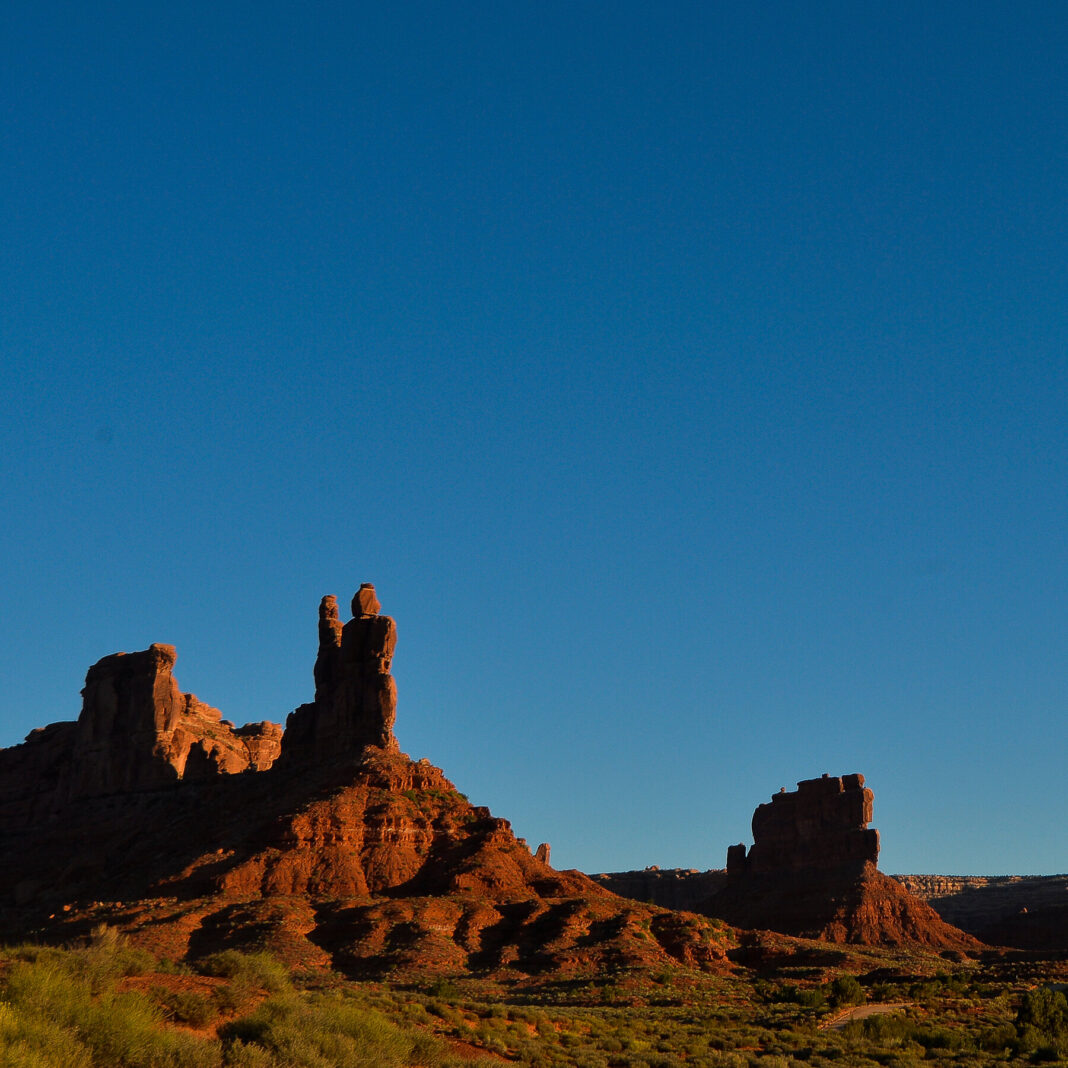
Newly reviewed documents contradict President Trump’s claims that recreation at Bears Ears National Monument was nearly impossible. The records, obtained by The New York Times, show federal officials were aware of significant visitor activity in the area. The president had cited limited recreational access as a key reason for shrinking the monument’s boundaries in 2017.
The documents detail a range of recreational uses within the original monument designation. These uses included hiking, camping, and sightseeing, which generated notable public engagement. Internal communications and reports indicate that officials tracked visitation data and understood the area’s appeal.
Trump’s executive order reduced Bears Ears by roughly 85 percent, transferring much of the land to other management categories. The administration argued the original designation was overly expansive and restricted public access. However, the newly surfaced files suggest that recreation was not only possible but actively occurring.
Reports from the Bureau of Land Management and the U.S. Forest Service documented specific visitor numbers. These figures showed thousands of people visiting the monument annually prior to the reduction. Officials also mapped trails and developed infrastructure to support that use.
The discrepancy between the public statements and internal knowledge raises questions about the decision-making process. Critics of the reduction have long argued that the move favored energy development over conservation. The documents add a layer of evidence to that ongoing debate.
A federal court later struck down the boundary reduction, though the Trump administration appealed the ruling. The case remains tied up in litigation, leaving the monument’s status uncertain. The newly released information could influence legal arguments about the original rationale for the change.
The documents do not address other stated reasons for the reduction, such as tribal consultation concerns. But they directly undermine the recreation-based justification. Officials reportedly did not correct the record when the president made those claims publicly.
The full scope of the documents has not been released. Still, the revelations have prompted renewed calls for transparency from the Department of the Interior. The agency has not yet commented on the specific records in question.
This is not the first time the administration’s claims about public lands have faced scrutiny. Similar disputes have arisen over other national monuments, including Grand Staircase-Escalante. The pattern suggests a broader tension between conservation priorities and resource extraction interests.
For now, the future of Bears Ears rests with the courts and the next administration’s stance. The documents provide a factual baseline that may shape how the monument’s story is told. Recreation was clearly a part of the landscape’s living history, regardless of what was said publicly.