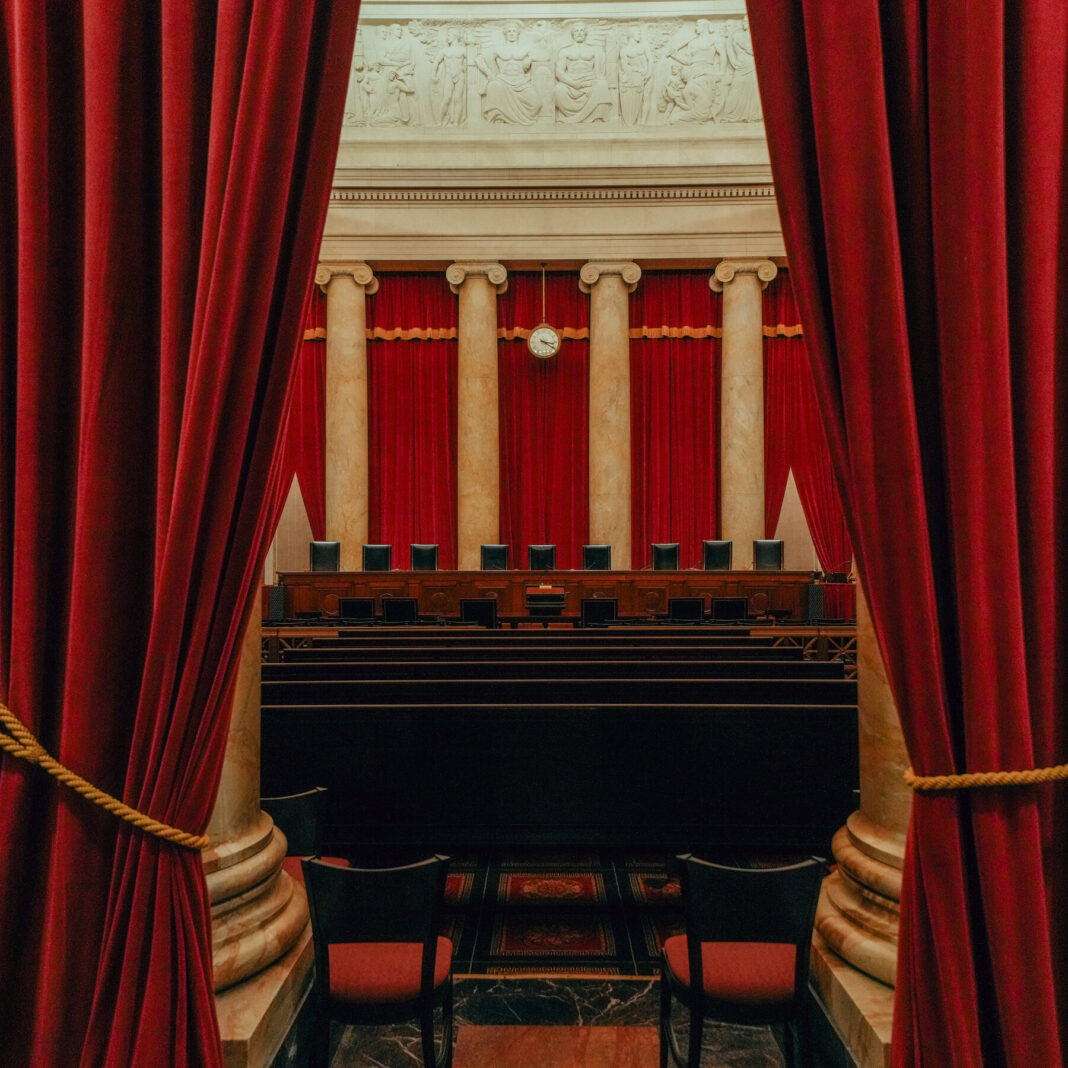
Sixteen years ago, the Supreme Court closed its front doors to the public. The decision came in response to escalating security threats.
A series of high-profile incidents prompted the change. Court officials determined the building’s main entrance was too vulnerable.
The justices now enter through a secure underground garage. Visitors must pass through metal detectors at a separate, fortified entrance.
The shift fundamentally altered public access to the court. For decades, citizens could walk up the marble steps and observe arguments without pre-screening.
Today, security measures include armed officers and ballistic glass. The court’s public lobby remains open, but access is strictly controlled.
The threat level has only increased over time. Recent protests and intelligence reports have reinforced the need for tight security.
The building itself has undergone physical upgrades. Barriers, surveillance cameras, and reinforced doors now surround the perimeter.
These changes reflect a new era for the judicial branch. The court balances transparency with the safety of its personnel and visitors.
The front steps remain a powerful symbol of justice. But they are now a restricted zone, guarded at all times.