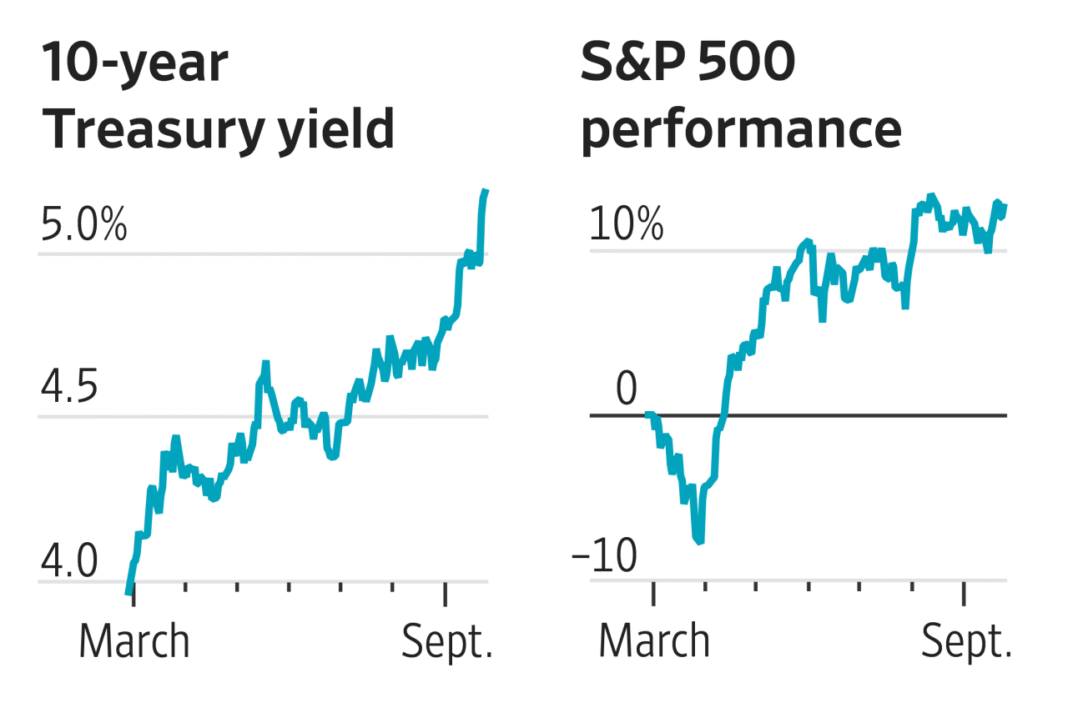
Stocks have remained resilient even as bond yields climb sharply. This divergence has caught the attention of investors and analysts alike. Historical patterns suggest the outcome is far from certain.
In 1994, rising yields triggered a painful selloff in equities. The Federal Reserve raised rates aggressively to curb inflation. Stocks struggled as borrowing costs surged across the economy.
By 2016, the same dynamic produced a different result. Yields rose after the election on expectations of fiscal stimulus. Equities rallied as investors bet on stronger growth and corporate profits.
Now, market participants are debating how 2026 will unfold. Bond yields have climbed to multi-year highs in recent months. Stocks have absorbed the move without a sustained drop.
Some analysts argue that rising yields reflect economic strength. A growing economy can support higher borrowing costs and still lift corporate earnings. In that view, stocks can continue to advance.
Others warn that yields may eventually choke off growth. Higher rates raise costs for businesses and consumers. That scenario could pressure equity valuations, especially for technology and growth stocks.
The key variable is the pace and reason behind the yield increase. Gradual rises tied to solid growth tend to be manageable. Sharp spikes driven by inflation fears or fiscal worries often spell trouble.
Investors are watching upcoming Fed decisions and inflation data closely. The path of interest rates will likely determine whether stocks keep defying gravity. History offers clues, but no guarantees.