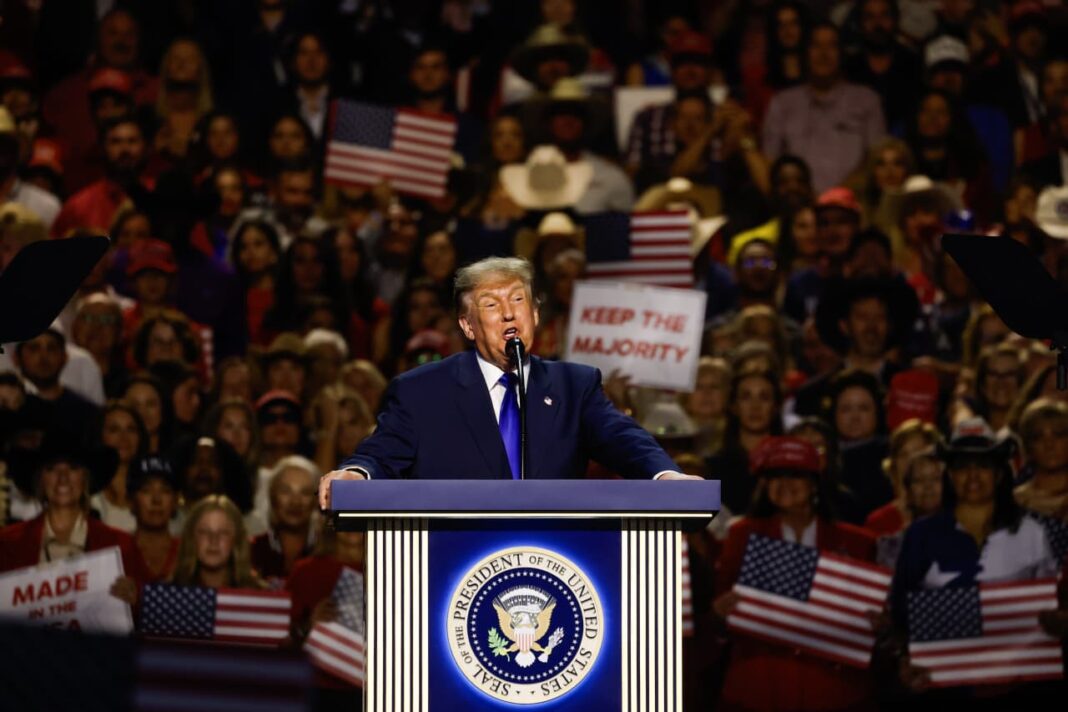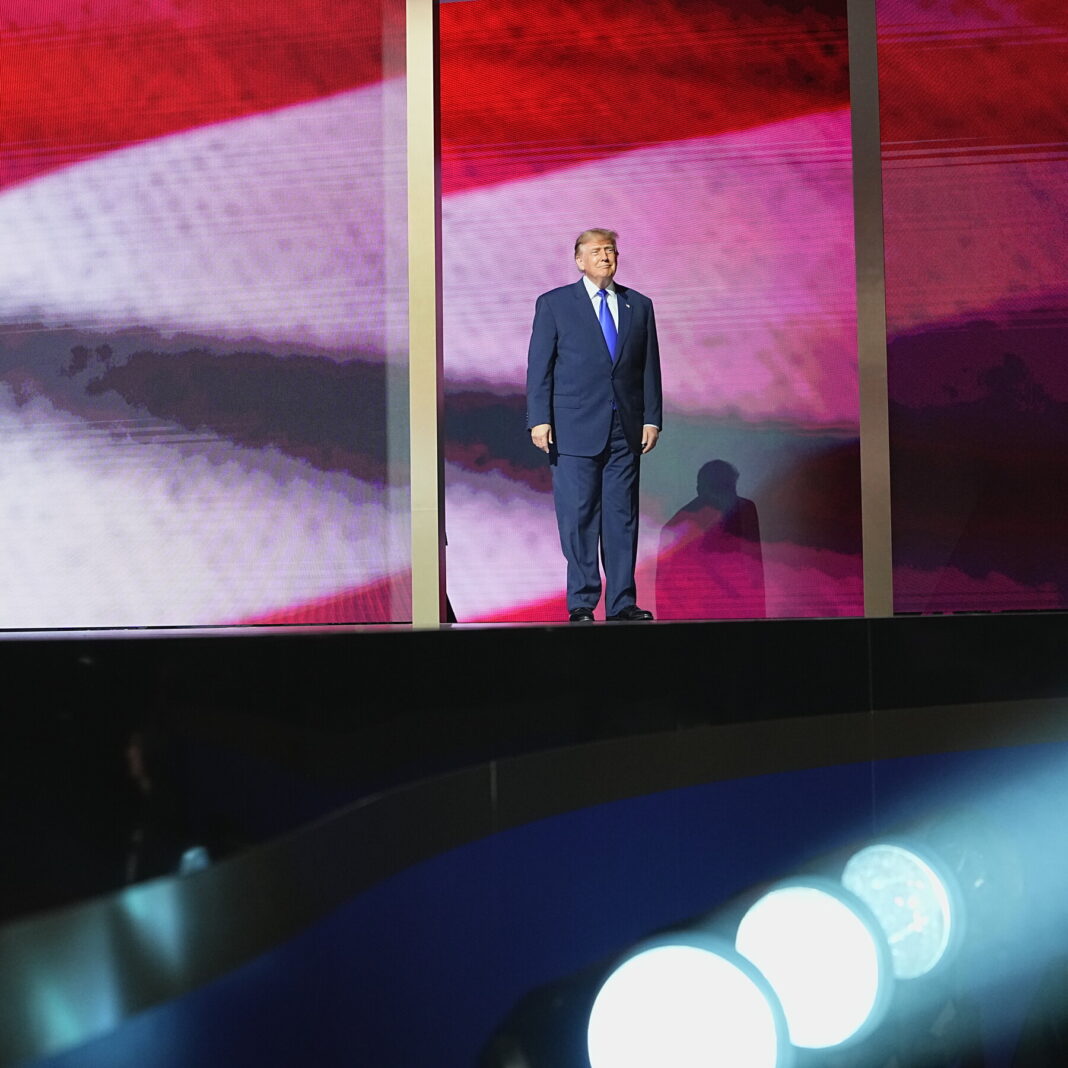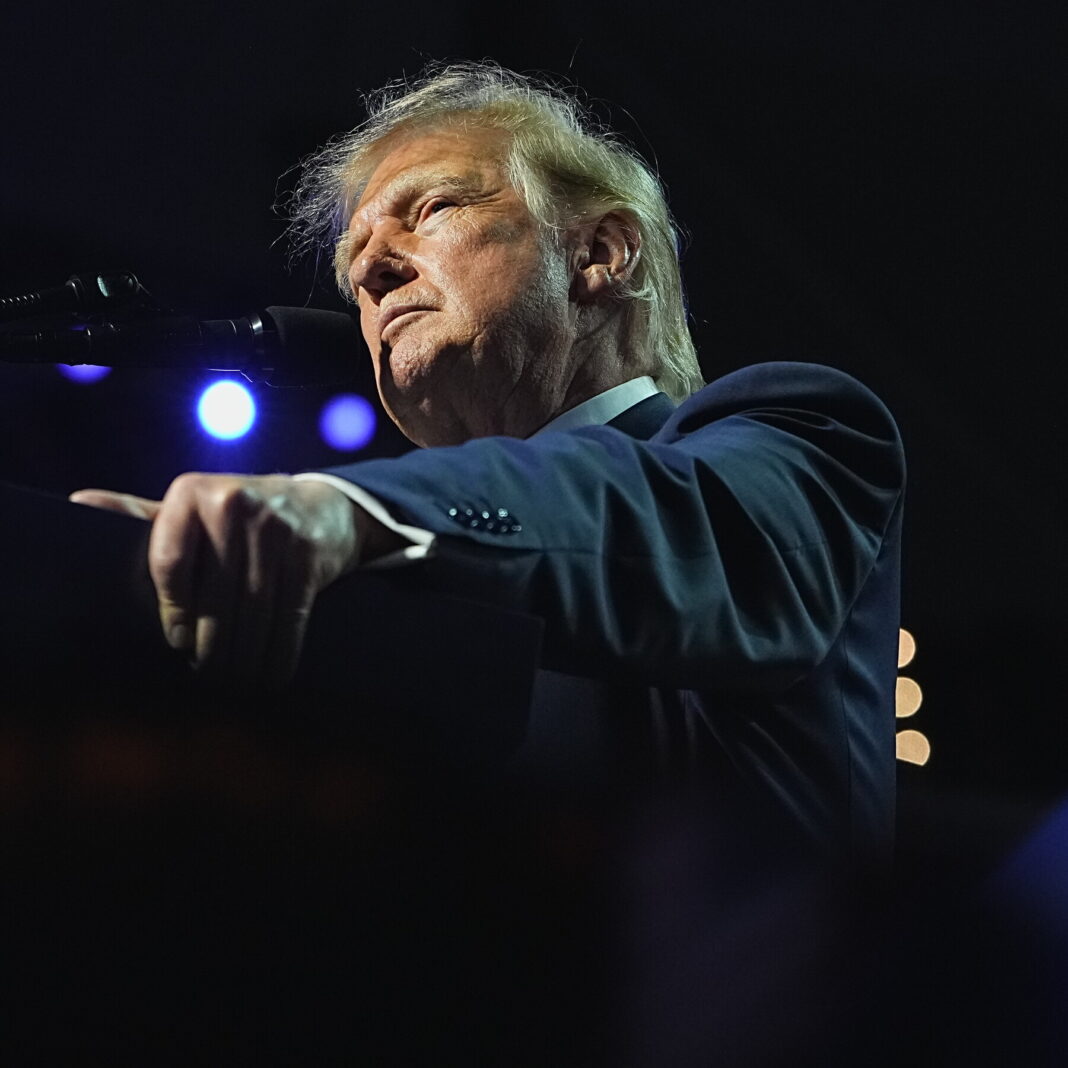
President Trump proposed $5,000 “Trump Dividend” checks for every adult American during his convention speech. The payments would only occur if Republicans maintain control of Congress after the midterms. The announcement represents a major economic pitch to voters ahead of the upcoming elections.
The proposal echoes previous direct payment initiatives, such as the stimulus checks sent during the pandemic. Under this plan, the Treasury would distribute funds directly to eligible adults. Specific details regarding income limits or total costs remain unclear.
Economic analysts note that such a program would require significant federal spending. Direct payments of this scale could add trillions to the national deficit. This raises questions about how the government would fund the disbursements.
The timing of the announcement suggests a strategic move to energize the Republican base. Midterm elections typically favor the party not holding the White House. A financial incentive could influence voter turnout in key swing districts.
Similar campaign promises have faced legislative hurdles in the past. Any spending bill must pass through a divided Congress to become law. The proposal currently lacks formal legislation or a concrete timeline for implementation.
Critics argue the plan is a campaign tactic rather than a viable policy. They point out that inflation remains a concern for many households. Sending additional cash to consumers could potentially drive prices higher.
Supporters view the dividend as a return of taxpayer money to the public. They argue that government surpluses or savings should benefit citizens directly. The concept appeals to voters feeling economic pressure from rising costs.
The proposal remains speculative without a Republican victory in the midterms. Even with a win, the path to passing such a bill is uncertain. The idea, like many campaign promises, may not come to pass.