The U.S. is refilling its Strategic Petroleum Reserve at a rapid pace. This comes as former President Trump pledges to take control of the Strait of Hormuz.
Government stockpiles are currently at precarious lows. A new report highlights major equipment failures, leaks, and spills at storage facilities.
The reserve plays a critical role in national energy security. It is designed to cushion the economy during global supply disruptions.
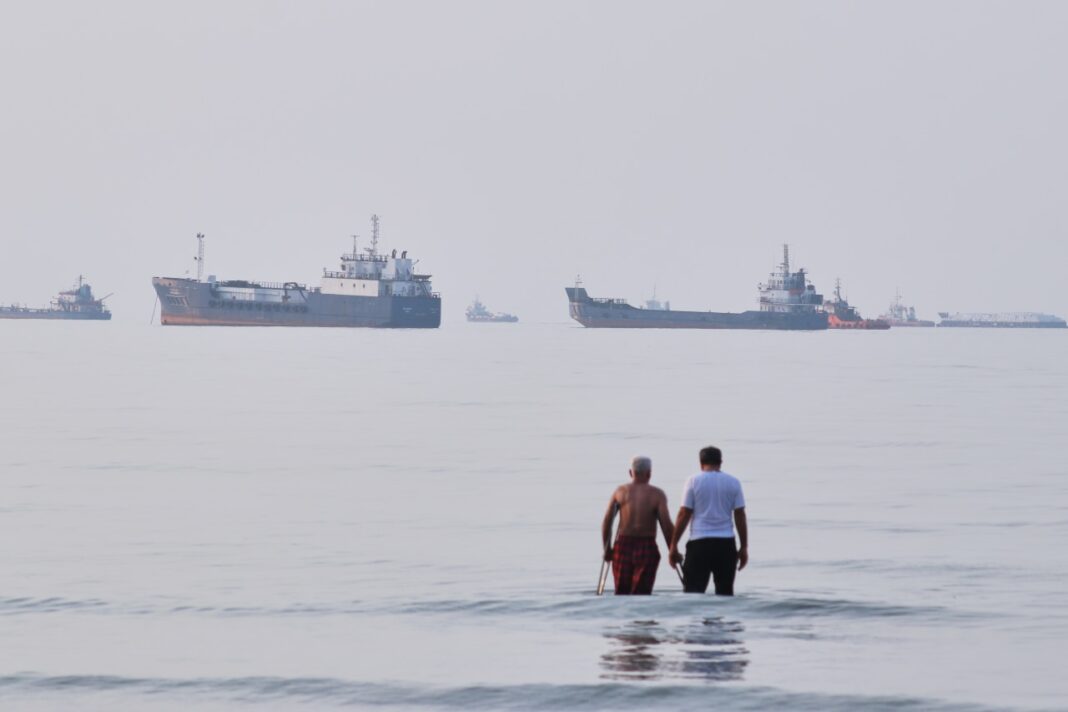
Trump’s vow to control the strategic waterway signals potential military escalation. The Strait of Hormuz is a vital chokepoint for global oil shipments.
Refilling the reserve now could be a strategic hedge against future conflict. The administration is rushing to buy crude oil to replenish inventories.
The recent government report raises serious safety concerns. Aging infrastructure at the storage sites is causing repeated operational failures.
Leaks and spills have further reduced available supply. These incidents create both environmental risks and logistical headaches for the Department of Energy.
Maintaining adequate reserves is already a complicated process. The combination of low inventories and aging equipment makes it more challenging.
The administration’s current efforts aim to reverse years of drawdowns. Previous releases were used to stabilize fuel prices after global supply shocks.
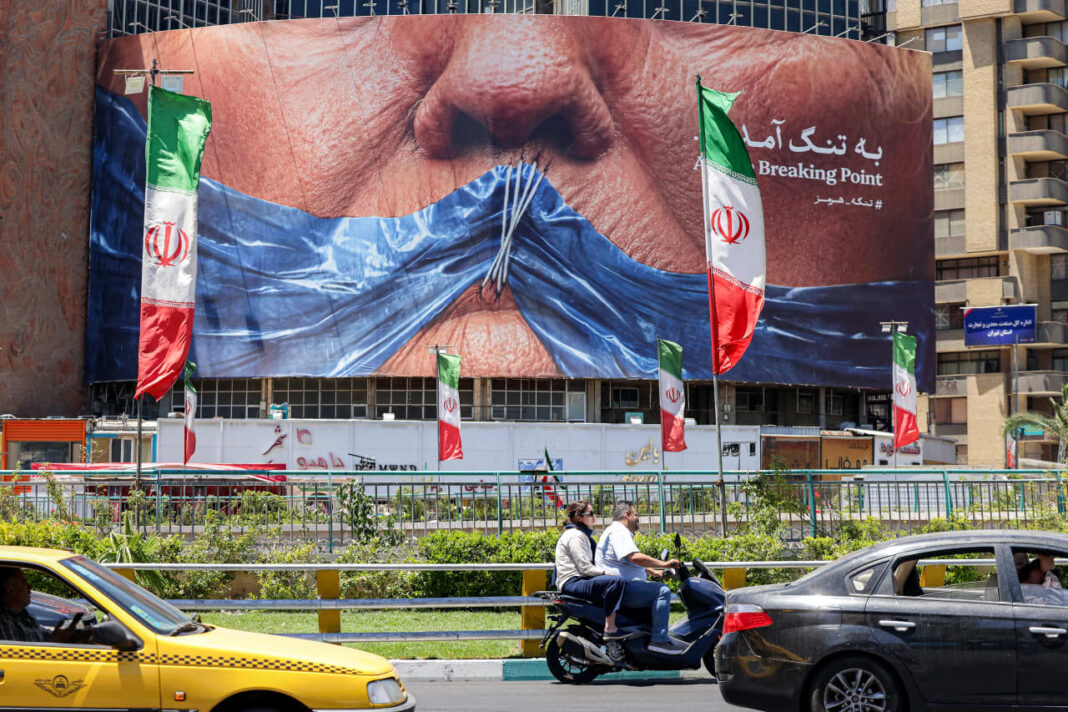
Controlling the Strait of Hormuz would be a dramatic foreign policy shift. It would place U.S. forces directly in the path of Iranian naval operations.
Oil markets are watching these developments closely. Prices could spike if tensions in the region rise further.
The Strategic Petroleum Reserve’s capacity is massive but aging. Officials are under pressure to modernize facilities while filling them at the same time.
Any major disruption at the storage sites could undermine preparation efforts. The government report suggests the system is vulnerable right when it is needed most.