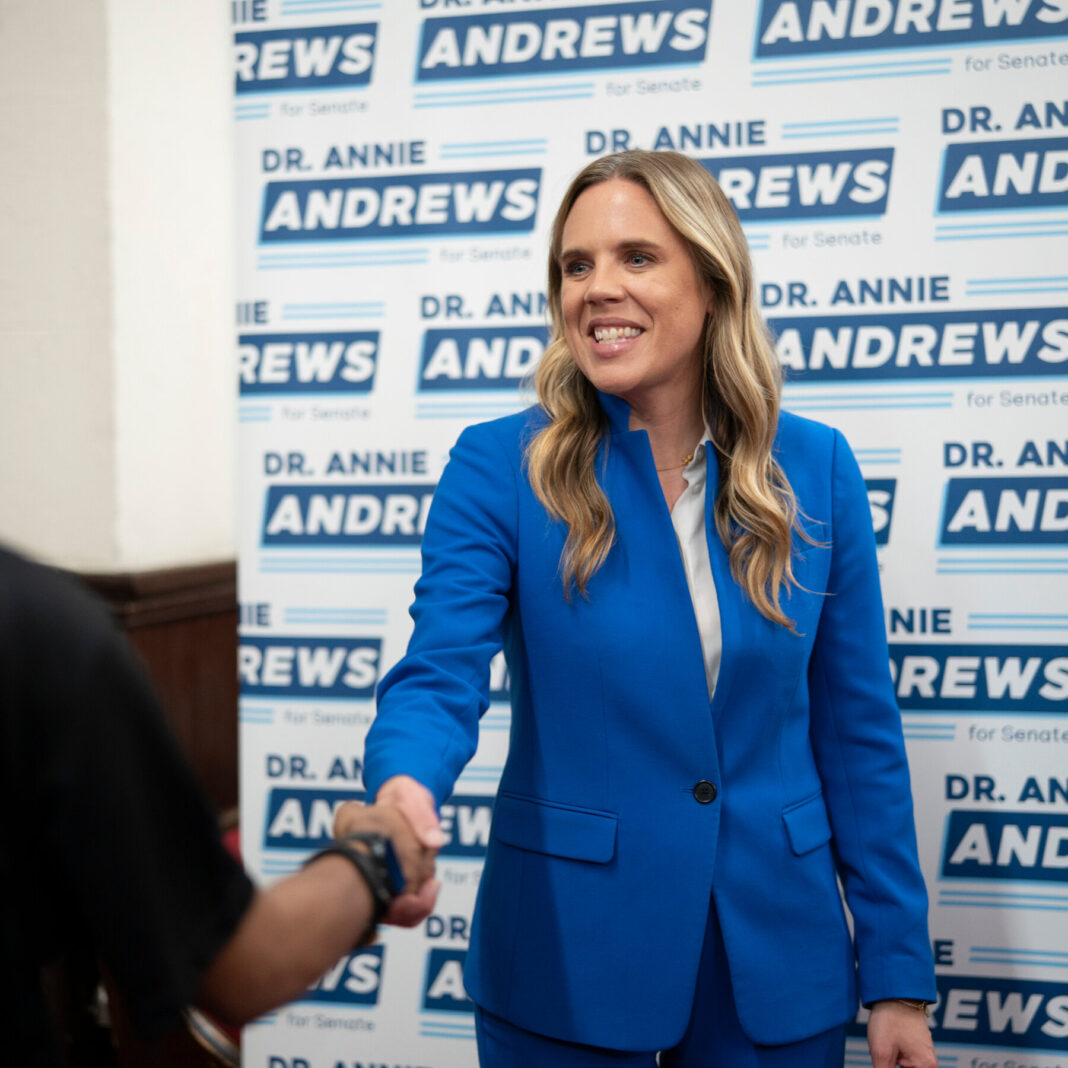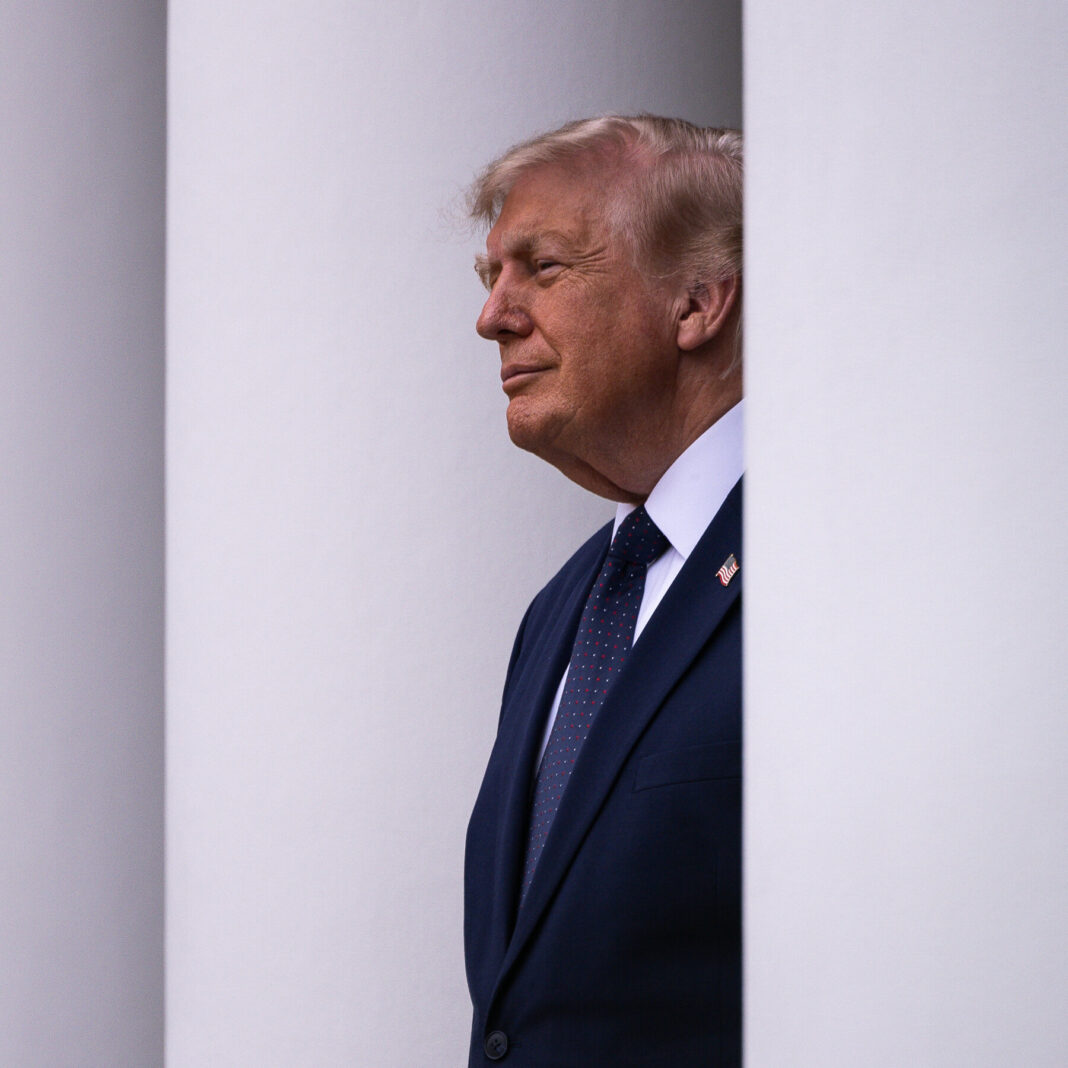
A mother on parental leave returned to a political landscape that had shifted in unfamiliar and unsettling ways. The 2026 midterm elections are shaping up to be unlike any in recent memory. Several once-reliable norms of American democracy have been challenged or abandoned.
The roots of this change trace back to the aftermath of the 2020 election. Efforts to alter election procedures and questioning of electoral integrity became central to one party’s platform. This led to a wave of new voting laws in numerous states.
The party that lost the White House focused heavily on state-level election administration. New rules were passed that changed how ballots are cast and counted. These changes created an environment of uncertainty and legal battles.
Control of local election offices became a new political battleground. Partisan actors replaced nonpartisan officials in key jurisdictions. This shift introduced a new layer of political friction into the voting process.
Candidates for higher office in 2026 are running on platforms centered on election integrity. This marks a major departure from traditional campaign issues like the economy or healthcare. Voters are now hearing more about process than policy.
The standard midterm dynamic of punishing the president’s party remains unclear. The current political coalitions have fragmented in unexpected ways. Predicting voter behavior has become a more complex task than in the past.
The media environment has fractured further, with different news sources telling completely different stories. This makes it difficult for voters to agree on basic facts. Shared reality is no longer a given.
What happens in the 2026 midterms will set a new precedent for how elections are conducted. The results could validate the new norms or push back against them. The country is watching to see which direction democracy will go.