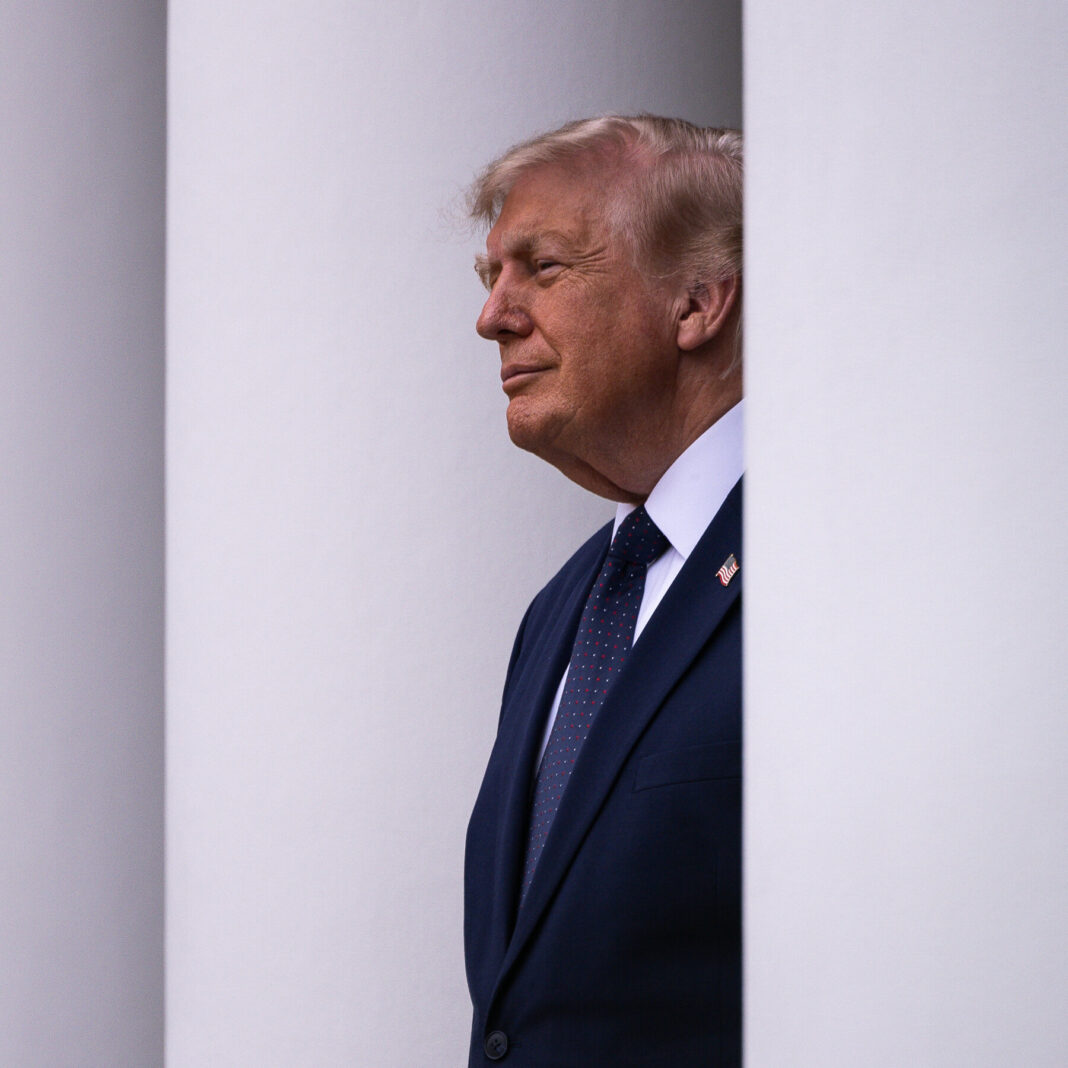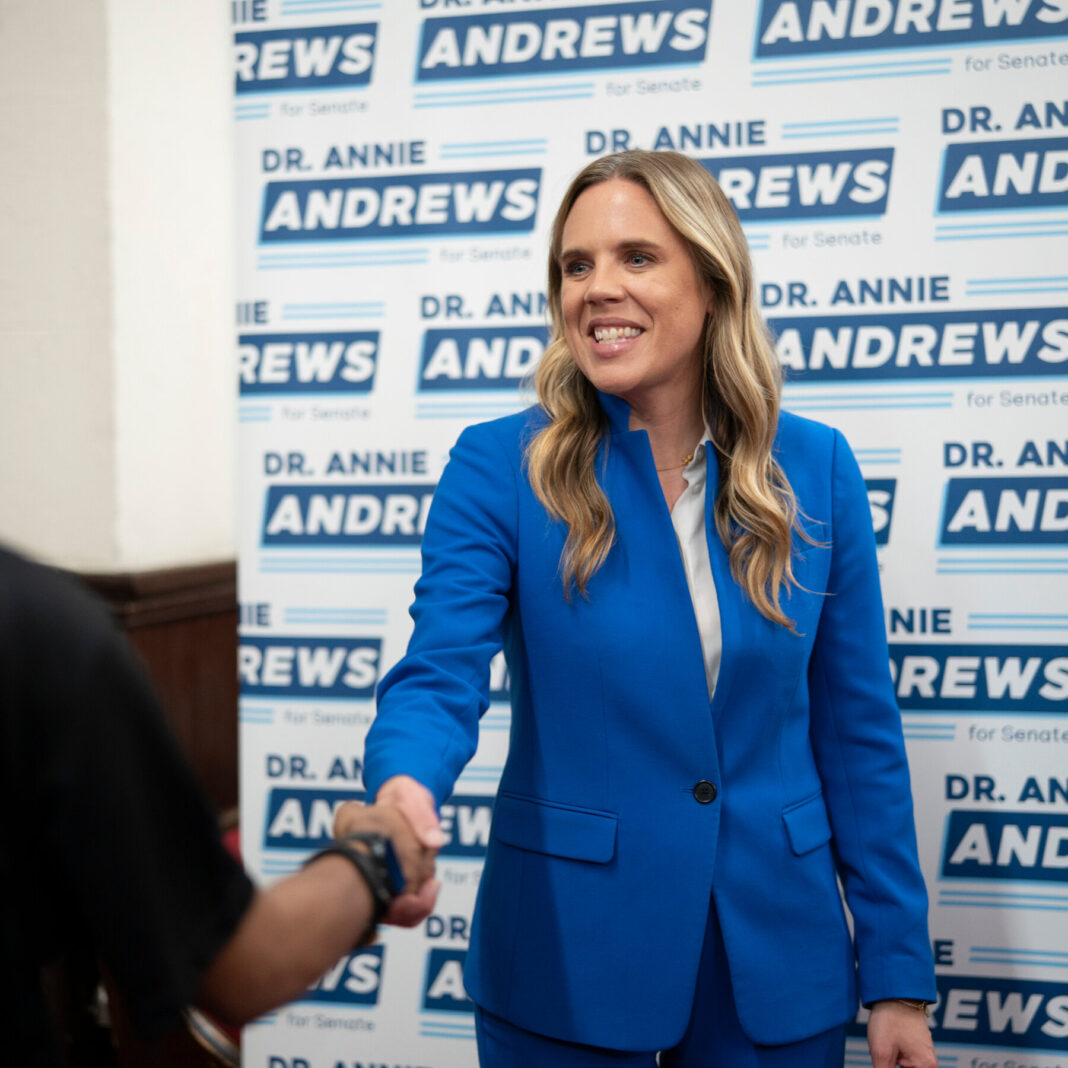
Senator Lindsey Graham’s unexpected death has fundamentally altered the political landscape for his Democratic challenger, Dr. Annie Andrews. The pediatrician has publicly offered condolences to those who loved the late senator. Privately, her campaign is now assessing the dramatic implications of the event.
Republicans in South Carolina are scrambling to organize a new primary election. The state party must quickly select a candidate to fill the vacancy on the ballot. This rush creates an uncertain and volatile political environment.
Andrews’ campaign strategy previously centered on unseating an incumbent. That dynamic has now vanished entirely. She must pivot to running against a yet-unknown Republican nominee.
The open seat presents both an opportunity and a challenge for the Democrat. South Carolina remains a deeply conservative state. A special election without an entrenched incumbent could theoretically shift voter calculus.
Democrats nationally are watching the race closely. A competitive contest in the state would force Republicans to spend resources. This could impact the battle for control of the Senate.
Andrews has decades of medical experience as a pediatrician. She previously built a platform around child health policy. That background may resonate differently without Graham’s powerful incumbency.
The Republican primary process remains the greatest unknown. A crowded field could emerge or a consensus candidate might rise. The outcome will define the shape of the general election.
For Andrews, the tragedy removes a familiar opponent. It also introduces an entirely new campaign calculus. The race is no longer a referendum on a single politician.