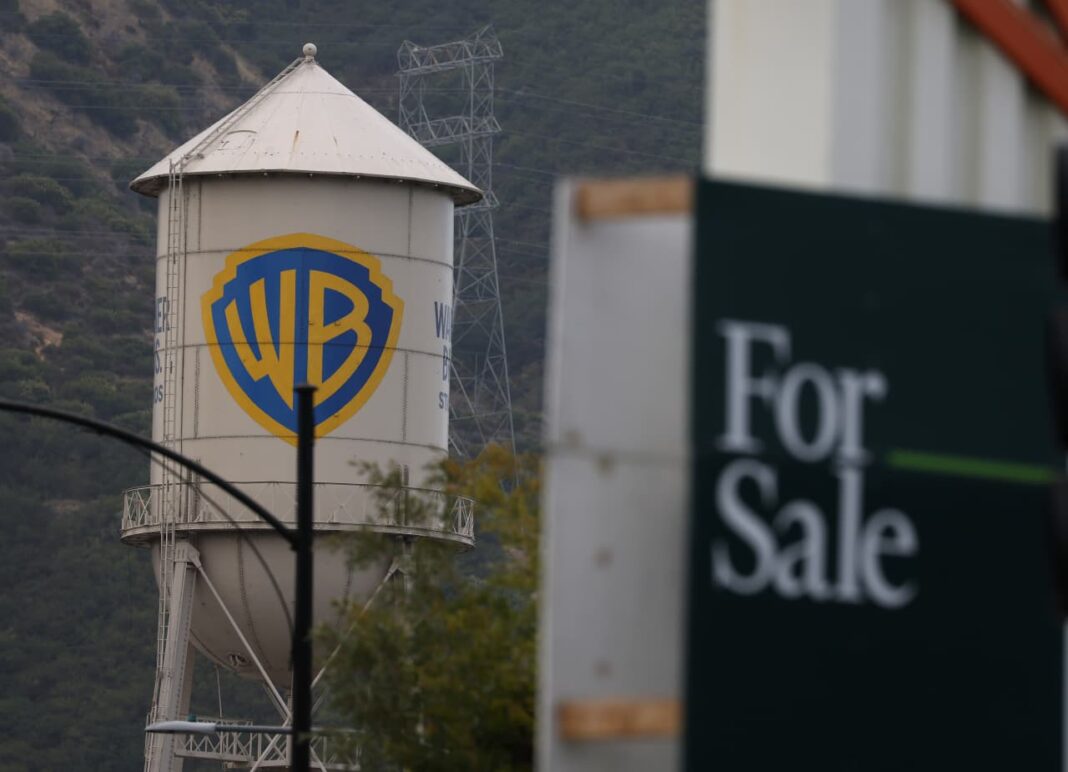
Paramount’s proposed merger with Warner Bros. Discovery faces legal challenges from several states. Regulators argue the deal would reduce competition in the media industry. Shareholders, however, may benefit from the deal falling apart.
The merger was expected to create a media giant with significant market power. Antitrust concerns focus on potential price increases for consumers. State attorneys general are leading the opposition.
If the deal collapses, Paramount retains its independence and flexibility. The company can explore alternative partnerships or strategies. This could unlock greater long-term value for investors.
Paramount’s streaming business may face less pressure alone. Without Warner Bros. Discovery, the company avoids massive integration costs. Debt levels would remain more manageable.
A failed deal could also spark bidding interest from other buyers. Tech companies or private equity firms might see Paramount as an acquisition target. Shareholder premiums could rise in a competitive sale process.
Regulatory scrutiny may force Paramount to improve its standalone operations. Cost-cutting measures and content strategies could become more aggressive. This discipline might boost financial performance.
Market reactions remain uncertain, but some analysts see upside. The stock may benefit from deal-related speculation. Investors should watch for regulatory rulings closely.
Ultimately, a blocked merger does not guarantee failure for Paramount. The company has options beyond the current deal. Shareholders may find reasons for optimism.