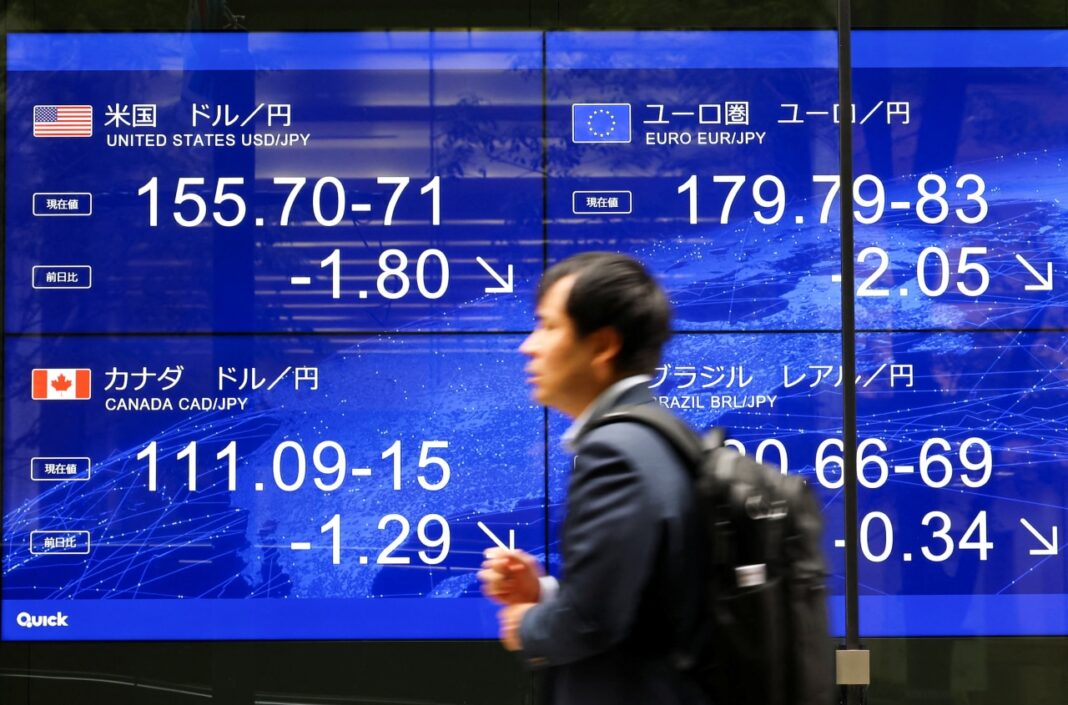
Stocks rallied Wednesday as oil prices fell on growing hopes for diplomatic progress in the Strait of Hormuz. Investors welcomed signs that tensions in the key shipping route may ease, boosting risk appetite across global markets.
Crude benchmarks dropped sharply after reports suggested potential talks could reduce disruption risks in the waterway. The strait carries roughly a fifth of the world’s oil supply, making any diplomatic breakthrough a major factor for energy prices.
The broader market gained ground, with major indices closing higher as investors shifted funds into equities. Sectors tied to consumer spending and technology led the advance, while energy stocks lagged on the oil price decline.
Amazon crossed the $3 trillion market value mark for the first time, a milestone driven by sustained momentum in its cloud and advertising businesses. The company’s shares have climbed steadily this year, reflecting strong earnings and investor confidence in its growth outlook.
In a separate development, Alibaba released a new artificial intelligence model, intensifying competition in the rapidly evolving AI sector. The Chinese tech giant positioned the release as a step forward in its efforts to challenge global leaders in generative AI.
The company said the model offers improved reasoning and efficiency, though it did not provide specific performance comparisons. Analysts viewed the move as part of Alibaba’s broader strategy to expand its cloud services and enterprise offerings.
The combination of falling oil prices and corporate milestones helped lift sentiment, even as investors weighed lingering concerns about inflation and central bank policy. Market participants now look ahead to upcoming economic data for further direction.
Trading volumes were moderate, suggesting that while the rally was broad, conviction remained cautious. Some analysts noted that sustained gains would depend on concrete progress in the Hormuz situation rather than just speculation.
For now, the market response reflects a measured optimism, with dips in energy costs providing a tailwind to consumer and industrial stocks. Investors remain alert to any shifts in geopolitical headlines that could quickly reverse the trend.