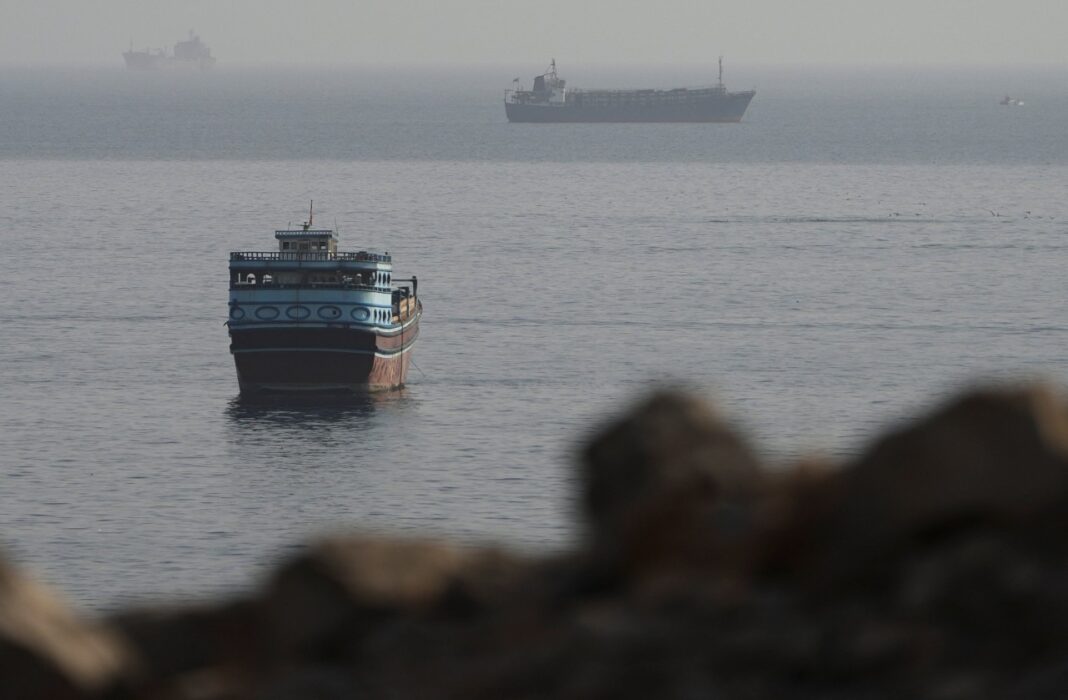
The United States and Iran are nearing an agreement to reopen the Strait of Hormuz, a move that would restore commercial shipping through a critical global waterway. The deal is designed to address President Trump’s most pressing political challenge: getting vessels moving again. However, the arrangement comes with significant strategic concessions to Tehran.
Under the emerging terms, Iran would gain leverage it did not possess before the conflict. This shift in power dynamics is a central point of concern for U.S. policymakers and regional allies. The specifics of the agreement remain under negotiation, with both sides weighing their respective priorities.
For the administration, the reopening is vital to stabilizing oil markets and easing supply chain disruptions. A return to normal transit would relieve pressure on global energy prices and international trade. The political stakes are high, as the prolonged closure has drawn domestic criticism.
Iran, meanwhile, is seeking to convert the deal into long-term economic and military advantages. Negotiators have hinted at provisions that go beyond simple navigation, potentially including sanctions relief and security guarantees. These elements are what make the deal politically difficult for Washington to sell.
The agreement’s final shape is not yet fixed, and internal U.S. debates are ongoing. Some officials argue that the cost of reopening the strait is too steep, given the strategic ground Iran would gain. Others contend that continued closure poses a greater risk to the global economy.
Regional nations, particularly Gulf states, are watching closely. They worry that any concessions to Iran could embolden its influence across the region. The deal’s implementation timeline is unclear, but both sides have signaled a desire to finalize terms within weeks.
If completed, the agreement would mark a major shift in the region’s geopolitical landscape. It would resolve one crisis while potentially seeding others. The full consequences for U.S. influence and deterrence will become clear only after the strait is fully operational again.
For now, the focus is on reaching a compromise that satisfies immediate economic needs without undermining long-term security interests. The coming weeks will test whether such a balance is achievable.