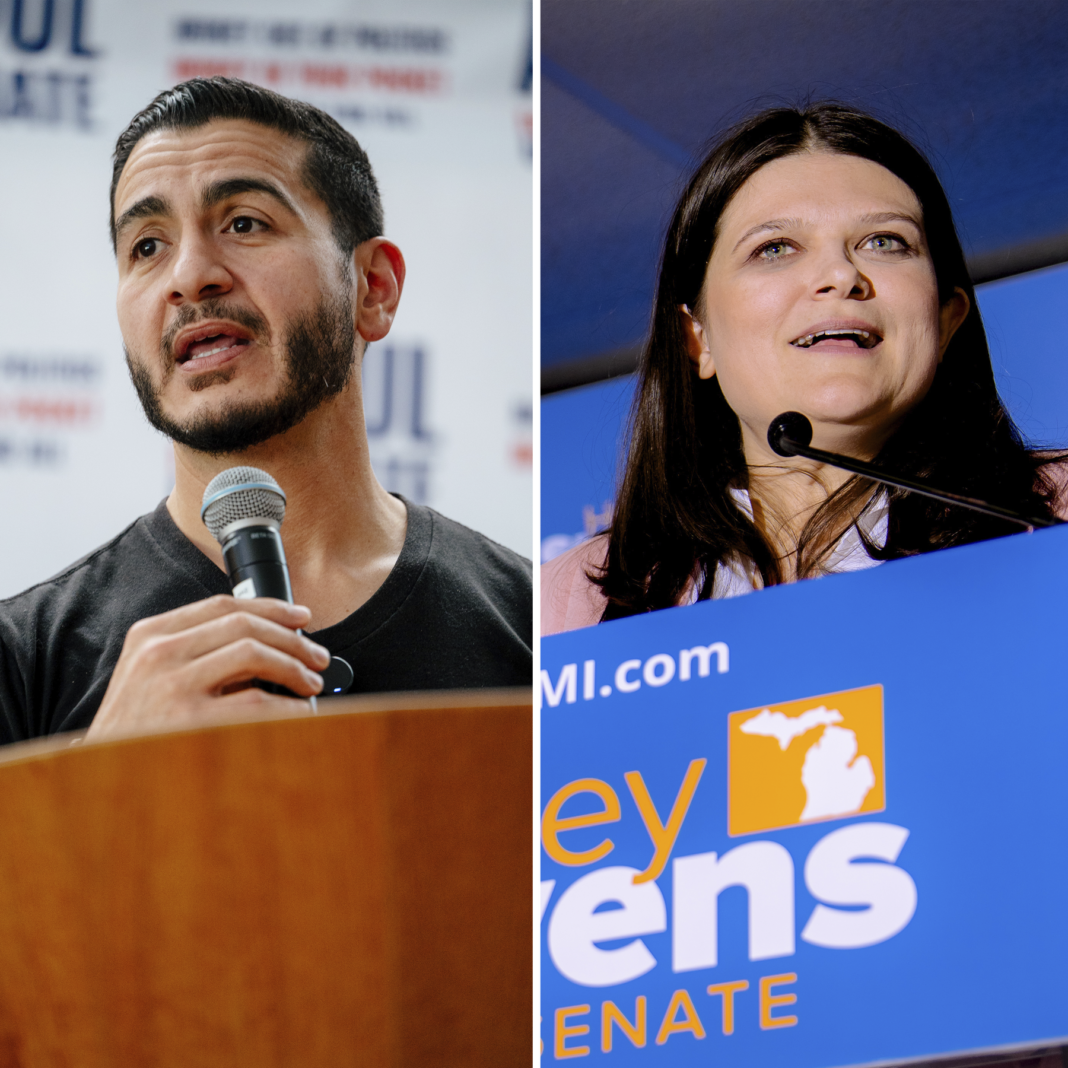
Michigan’s Democratic Senate primary has escalated into the party’s most contentious contest of the summer. The race now pits the state’s established political leadership against a newly energized coalition demanding change. Tensions have intensified in recent weeks as both factions sharpen their attacks ahead of the August vote.
The incumbent wing is anchored by figures with deep ties to the state’s traditional labor unions and longtime party structures. They emphasize legislative experience and incremental progress, arguing that steady governance is the safest path to retaining the seat. Their campaign has focused on defending past achievements in manufacturing and infrastructure.
Challenging them is a younger, more diverse coalition that has rallied around sweeping policy shifts. This group has pushed for aggressive action on climate, healthcare access, and economic reform. They have accused the old guard of being too cautious and out of step with the party’s current base.
The ideological divide has become stark, with both sides trading sharp rebukes in public forums and online. Ads have grown increasingly negative, highlighting voting records and past compromises. Local Democratic officials have expressed concern that the infighting could weaken the eventual nominee for the general election.
Recent polling shows a tight race, with neither faction holding a commanding lead. Voter turnout among younger Democrats has surged, but older, more loyal voters remain a key bloc. The outcome may hinge on which side can mobilize its supporters most effectively on primary day.
Both campaigns have ramped up their ground operations, focusing on door-to-door canvassing and targeted digital outreach. Fundraising has also reached record levels for a state primary, reflecting the national attention the race has drawn. Outside groups have poured money into the contest, amplifying the already heated rhetoric.
The primary has become a test of the party’s direction, with implications beyond Michigan. National strategists are watching closely to gauge whether voters favor pragmatic experience or bold transformation. The result could shape how Democrats approach similar races across the country.
Candidate forums have exposed sharp disagreements on key issues, including trade policy and social spending. The old guard has warned against overpromising, while the rising coalition dismisses such caution as fear. Neither side has shown willingness to bridge the gap before the vote.
As the election nears, the tone has only sharpened, with accusations of bad faith and political opportunism. Yet both camps insist they are fighting for the party’s best interests. The winner will inherit a divided base, making unity after the primary a pressing challenge.