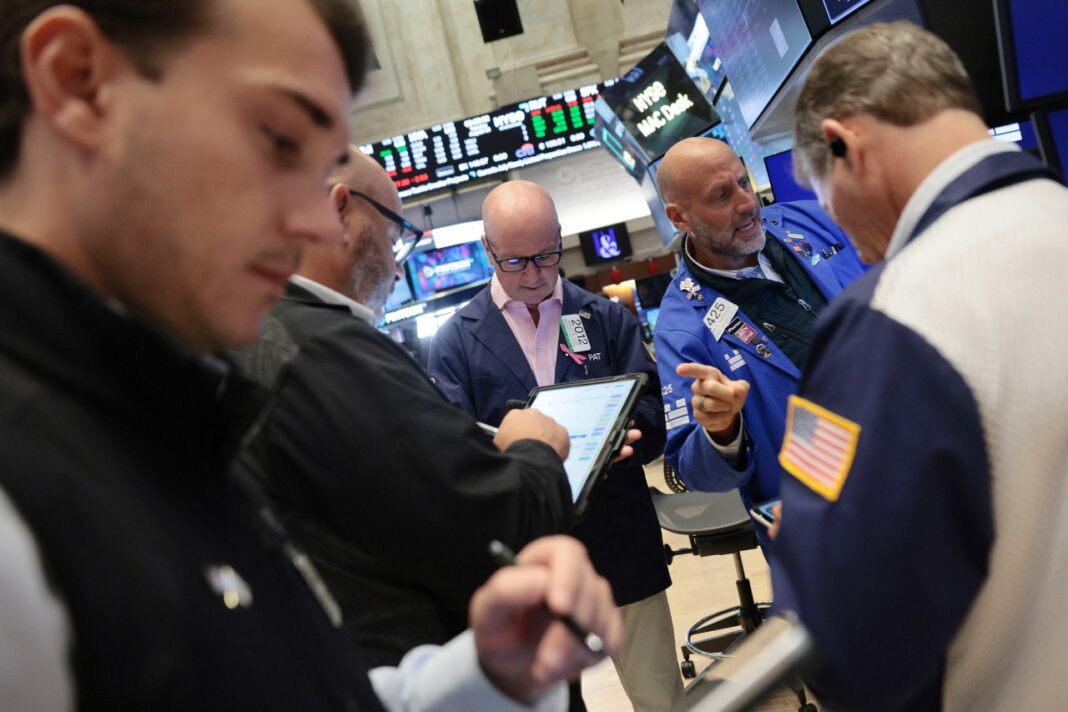
A proposal to eliminate a decades-old rule requiring brokers to secure the best possible price for investors has drawn sharp criticism from Wall Street firms and individual traders alike. The U.S. Securities and Exchange Commission (SEC) unveiled the plan earlier this year, aiming to modernize market structure. Critics argue the change would weaken investor protections and increase trading costs for everyday Americans.
The rule in question, known as the best-price rule, mandates that brokers execute trades at the most favorable price available across public exchanges. It has been a cornerstone of U.S. equity markets since its adoption. The SEC’s proposal would instead allow brokers to prioritize other factors, such as speed or likelihood of execution, over price.
Wall Street trade groups have filed formal objections, warning that the shift could fragment liquidity and harm retail investors. They point to data suggesting that the current rule has saved investors billions of dollars annually through tighter pricing. Individual investors have also flooded the SEC with comment letters, expressing fears of hidden fees and less transparent outcomes.
Supporters of the SEC plan contend that the existing rule is outdated in an era of complex trading venues. They argue that modern markets already provide competitive pricing through alternative mechanisms. The agency has noted that the proposal aims to reduce regulatory burdens while maintaining fairness.
Industry analysts are divided on the likely impact. Some predict minimal disruption, citing brokers’ existing incentives to seek good prices. Others foresee a two-tier system where sophisticated traders gain advantages over smaller participants. The SEC has scheduled public hearings to gather additional input before any final vote.
Legal challenges may also loom, as opponents question whether the agency has the authority to overturn a rule so embedded in market operations. Several lawmakers have joined the fray, pressing the SEC for a more cautious approach. A final decision is not expected until later this year.
For now, the debate highlights a broader tension between innovation and investor safety. The outcome could reshape how millions of trades are executed daily. Both sides agree that the stakes are high, but they differ sharply on the path forward. The SEC has not yet signaled any revisions to its proposal.