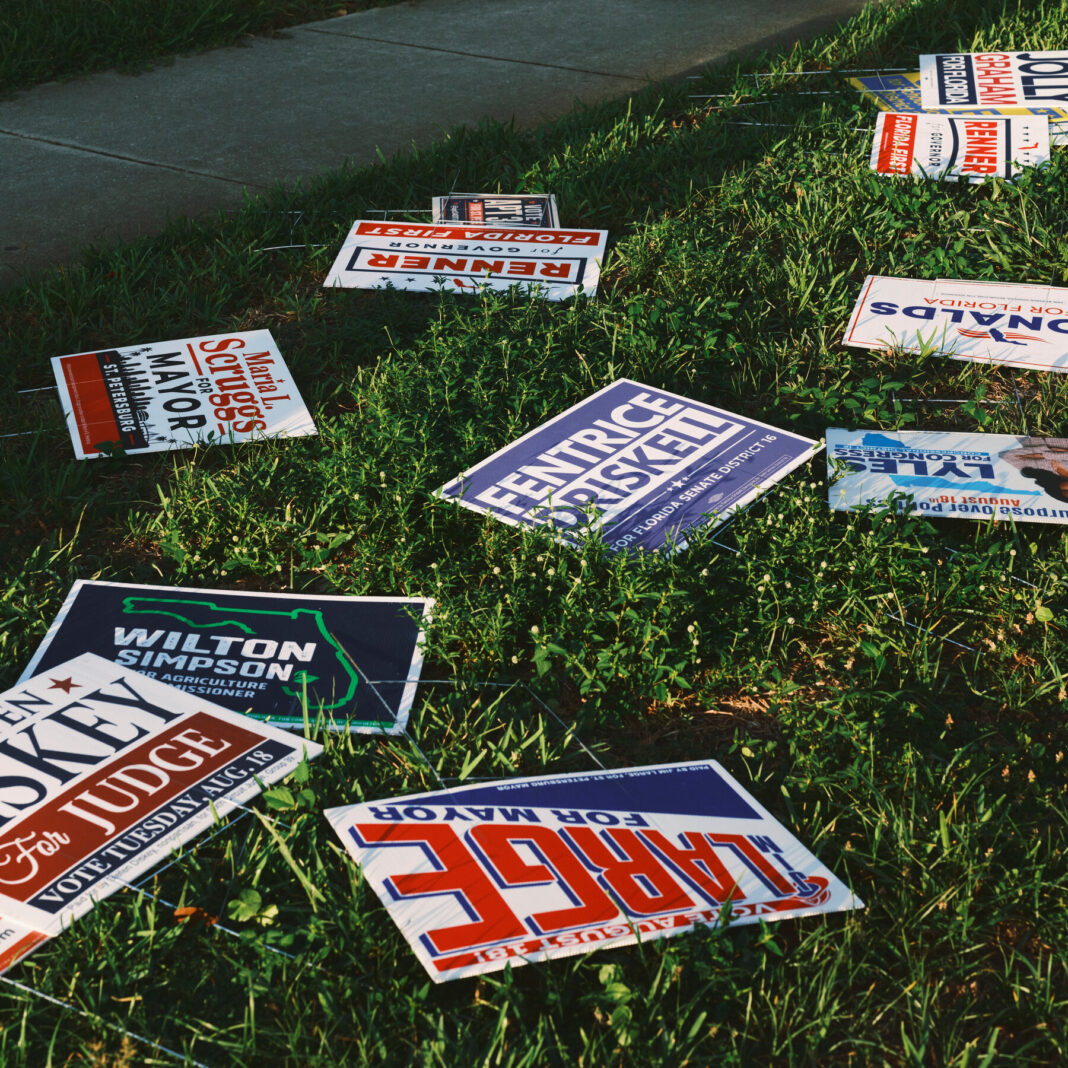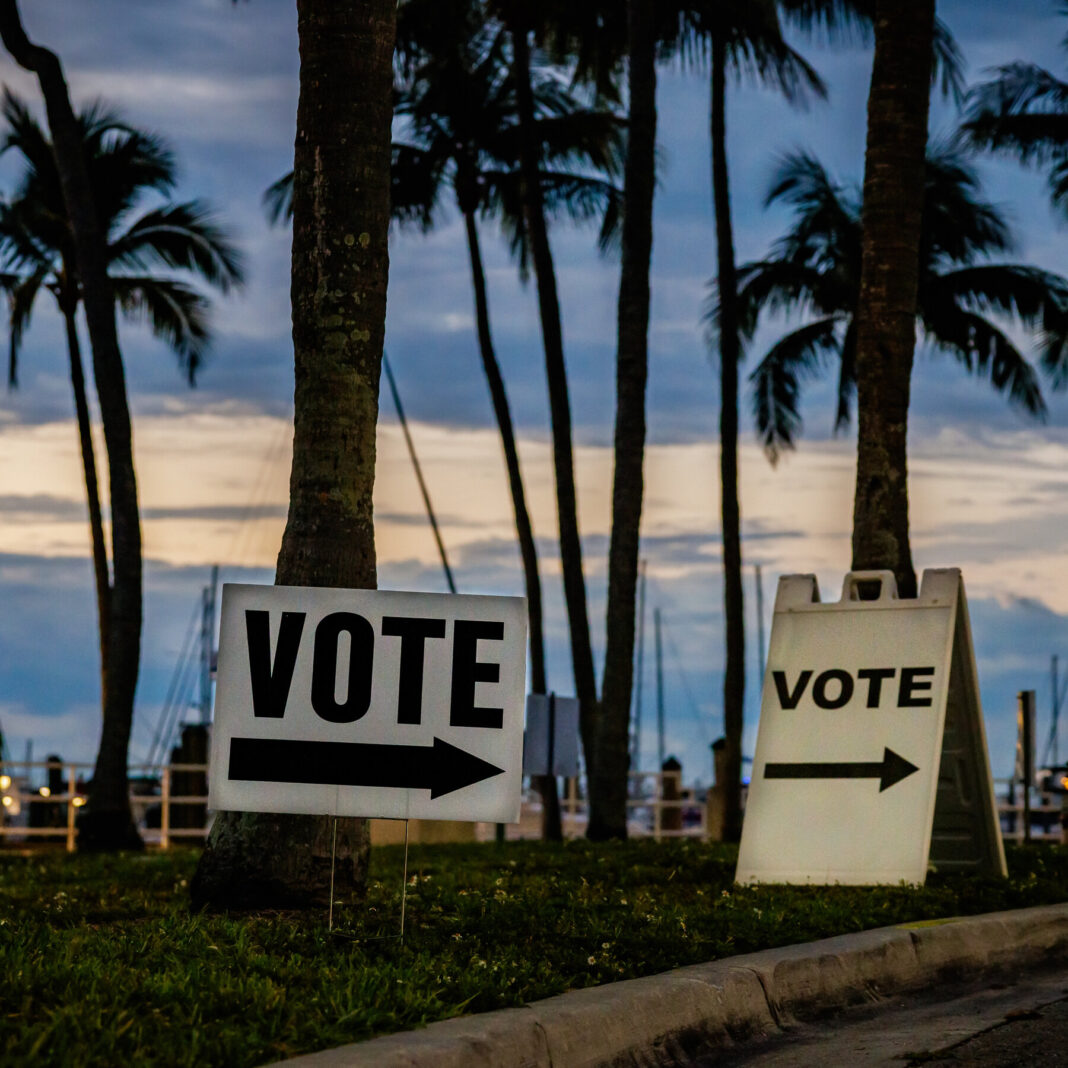
Florida’s political landscape has reshaped how one reporter views national politics. Voters may select an “R” or a “D” next to a candidate’s name, but their political views are often more nuanced than a binary choice represents. The state’s diverse population and rapid demographic shifts reveal patterns that defy simple partisan labels.
Covering elections across Florida exposed the gap between national narratives and local realities. Campaign ads often frame races as ideological battles, yet voters on the ground focus on tangible issues like housing costs and flood insurance. These concerns transcend party lines and drive decisions in ways that polling averages rarely capture.
Florida’s status as a swing state amplifies its political significance, but its internal divisions are equally instructive. Urban centers like Miami and Tampa operate under different pressures than rural counties in the Panhandle. A single policy debate can split communities along economic, generational, or cultural lines rather than strict party affiliation.
The reporter’s experience highlights how national strategies often miss local context. Candidates who succeed in Florida adapt their messages to regional priorities, from climate resilience in the south to agricultural regulations in the north. This flexibility proves essential in a state where voter turnout hinges on hyperlocal engagement.
Data from recent elections shows that independent voters in Florida routinely break for different parties depending on the race. A voter might support a Republican governor but a Democratic school board candidate, reflecting a pragmatic approach over ideological consistency. National pundits often overlook this split-ticket behavior, favoring clean narratives over messy realities.
Observing these patterns has sharpened the reporter’s approach to covering politics elsewhere. The lessons from Florida emphasize listening to constituent concerns rather than relying on canned talking points. A district’s history, its economic base, and its demographic makeup matter more than a standardized political label.
The takeaway for readers is that political reporting must evolve beyond red-versus-blue shorthand. Florida demonstrates that authentic engagement with voters reveals a more complex, and often more truthful, story. As national politics grows more polarized, local insights like these offer a corrective lens for understanding public sentiment.