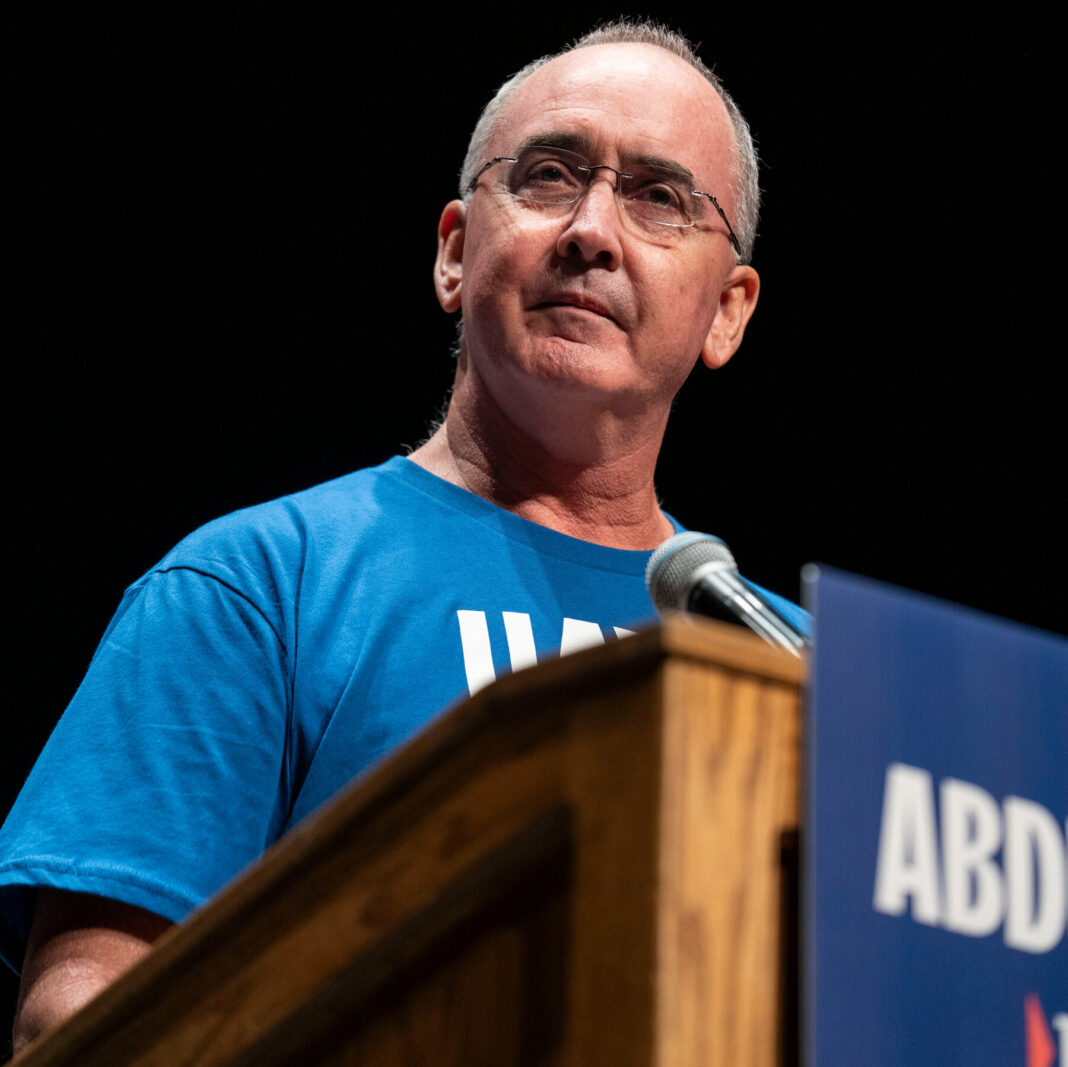
A federal investigation and an internal clash over Israel are overshadowing United Auto Workers President Shawn Fain’s campaign for a second term. The vote, set to determine the union’s leadership, comes amid heightened scrutiny of Fain’s administration. Members will decide whether to extend his tenure following a period of notable labor activism.
The U.A.W. president faces questions over a federal probe that has drawn attention to the union’s top ranks. Details of the investigation remain limited, but it has cast a pall over the election process. Fain has not publicly commented on the matter in recent days, leaving members to weigh the implications.
At the same time, a dispute over Israel has fractured parts of the union’s leadership. The conflict has sparked heated debates among officers and rank-and-file members, complicating Fain’s bid for unity. Some local chapters have voiced strong opposition to his stance, while others back his position.
Fain’s first term was marked by aggressive bargaining tactics, including high-profile strikes against major automakers. Those actions boosted his popularity among many workers, who credited him with securing significant wage gains and benefits. However, the current controversies risk eroding that support among key voting blocs.
The election pits Fain against challengers who argue the union needs a steadier hand. They point to the federal scrutiny and internal discord as evidence of management turmoil. Fain’s supporters counter that his forceful approach delivered tangible results for the membership.
Voting is underway across U.A.W. locals, with results expected in the coming weeks. Turnout will likely play a decisive role, as contested elections often hinge on which side can mobilize its base. Observers note that the investigation’s findings could shift momentum before ballots are tallied.
For Fain, the race is a test of whether his reform agenda can withstand external pressures. The outcome will shape the union’s direction on labor contracts and political engagement. A victory would reaffirm his mandate, while a loss would signal a sharp pivot for the organization.