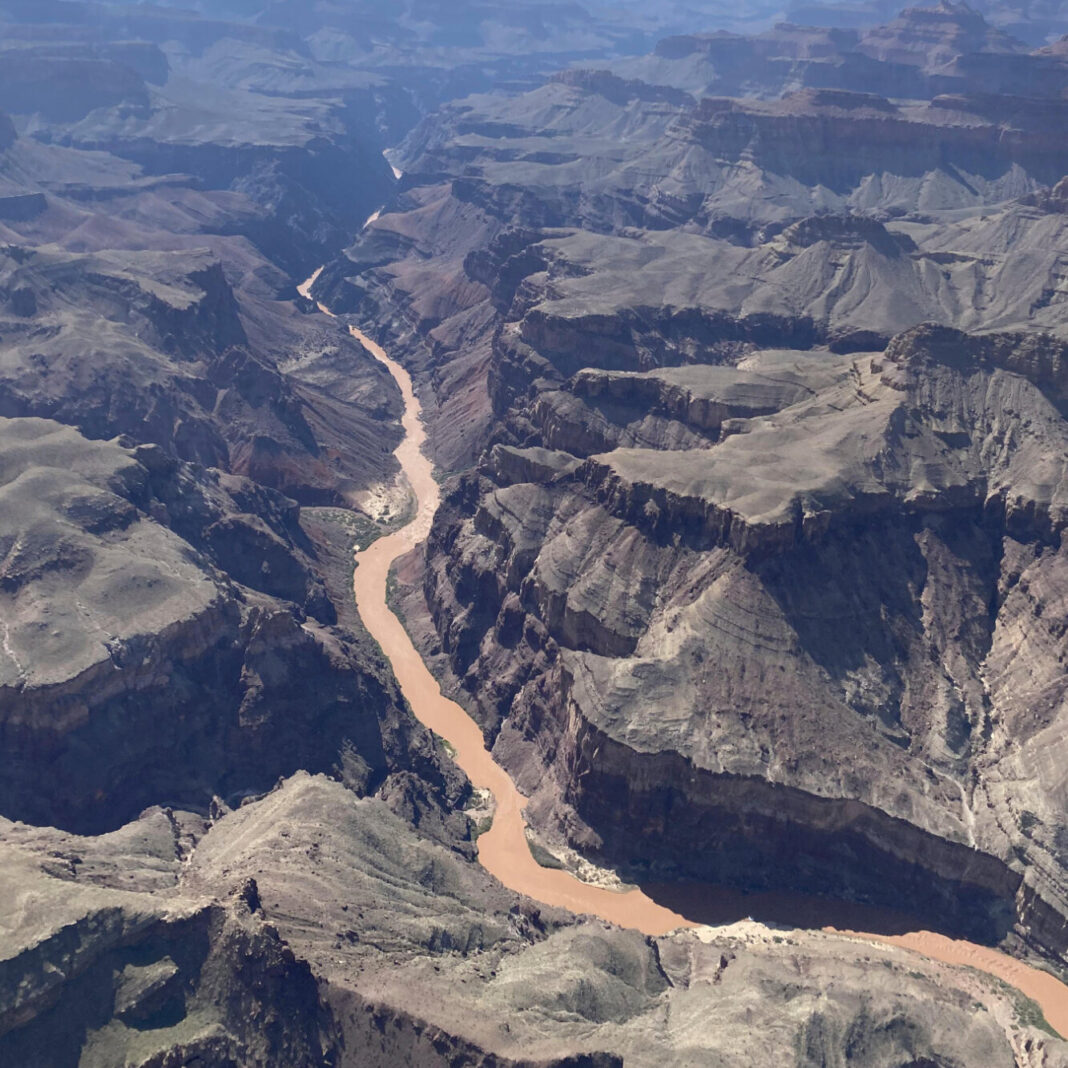
Phantom Ranch, the only lodging facility located within the Grand Canyon, has served as a destination for hikers and notable visitors for over a century. Theodore Roosevelt was among the early figures to visit the site, which sits at the bottom of the canyon along the Colorado River. The remote lodge has now become the focus of attention after flash flooding struck the area, disrupting operations and raising concerns about access.
The flooding event occurred over the weekend, with water surging through narrow canyon channels and affecting trails leading to the ranch. Park officials reported that visitors were temporarily stranded at the location as a result of the extreme weather conditions. No serious injuries were reported, though the incident prompted a coordinated response from emergency teams.
Phantom Ranch is accessible only by foot, mule, or raft, making evacuation efforts particularly complex. The facility consists of cabins, dormitories, and a dining hall, all of which rely on supplies transported from the rim. Its isolated position within the inner gorge has long made it a logistical challenge for park management, especially during sudden weather events.
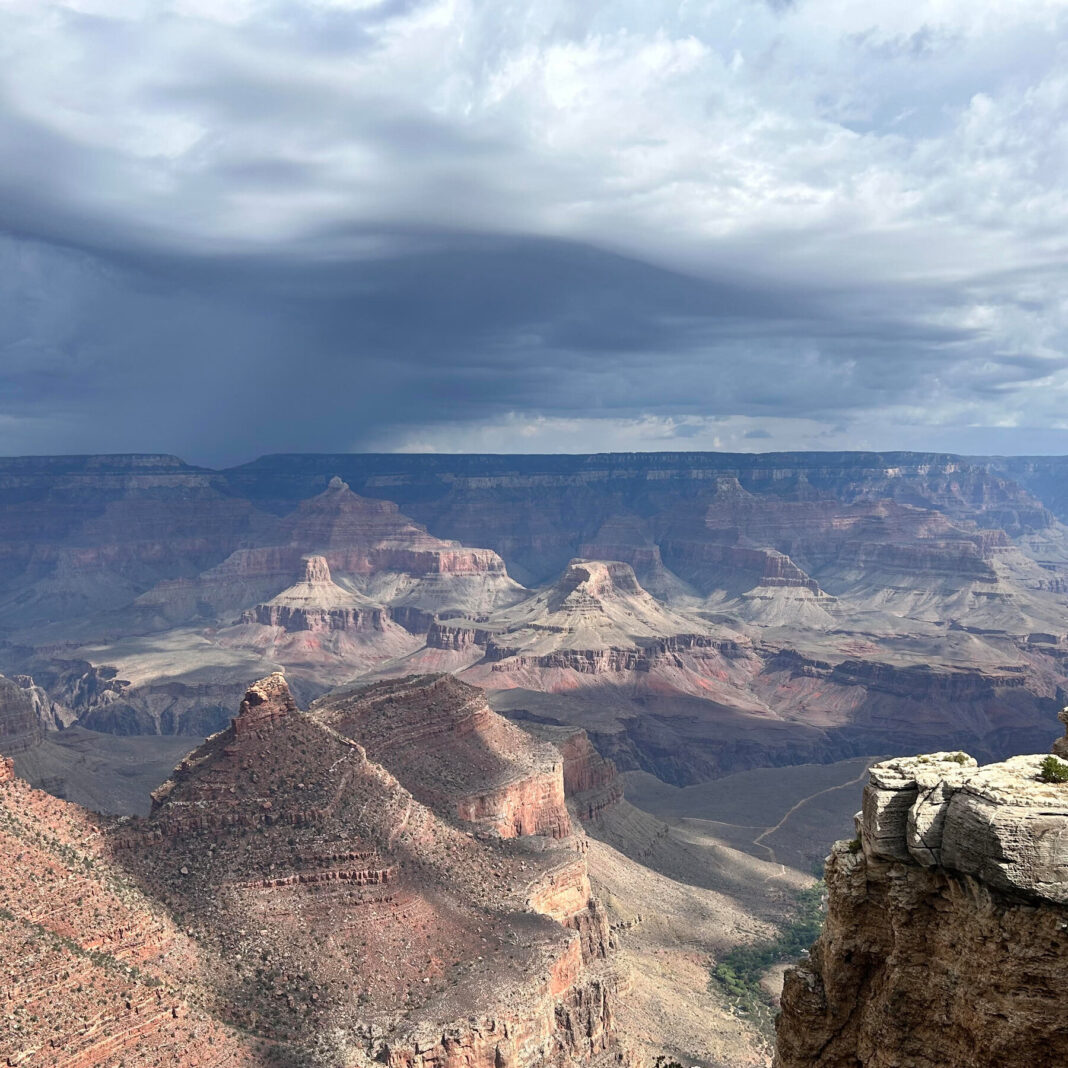
Flash floods in the Grand Canyon are a known hazard, often triggered by heavy rainfall upstream that can funnel into side canyons without warning. The terrain’s steep walls and narrow passages amplify the speed and force of the water, creating dangerous conditions for those below the rim. Forecasters had issued flood watches for the region prior to the incident.
The lodge has a history of resilience, having been rebuilt after a fire in the 1960s that destroyed much of the original structure. Its current design, completed in the following years, was intended to blend with the surrounding landscape while meeting the needs of the canyon’s visitors. The site remains a popular stop for those undertaking multi-day hikes or overnight river trips.
Park officials have since reopened access to the area after assessing trail conditions and clearing debris. Hikers are being advised to check weather forecasts and consult ranger stations before descending into the canyon. The National Weather Service continues to monitor storm patterns that could bring additional rainfall to the region.
Phantom Ranch holds a distinct place in the canyon’s history, serving as a haven for travelers seeking a reprieve from the strenuous journey to the rim. Its remote setting and limited capacity mean that reservations are often booked well in advance. The recent flooding highlights the ongoing challenges of maintaining such a facility in one of the country’s most rugged landscapes.
The incident also underscores the broader risks facing visitors to the Grand Canyon, where conditions can shift rapidly. Park authorities emphasize the importance of preparation and flexibility when planning trips into the inner canyon. While the immediate danger has passed, the event serves as a reminder of the power of nature in this ancient landscape.