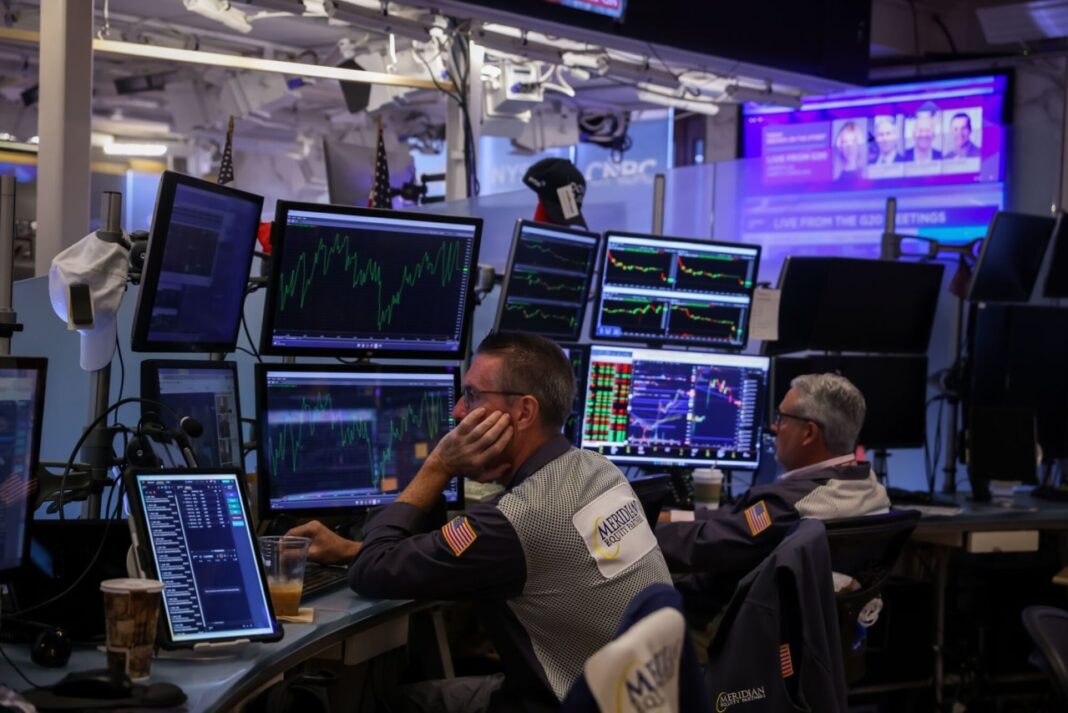
Stocks closed lower on Friday, capping a turbulent August as geopolitical tensions weighed on investor sentiment. The decline marked the end of a month that saw markets swing between optimism over economic data and anxiety over conflict risks.
Oil prices climbed after new fighting was reported in the Strait of Hormuz, a critical shipping route for global crude supplies. The escalation raised concerns about supply disruptions, pushing energy costs higher and stoking inflation worries across major economies.
The Strait of Hormuz, through which about a fifth of the world’s oil passes, has become a flashpoint in recent weeks. Any sustained disruption there could have immediate ripple effects on fuel prices and manufacturing costs worldwide.
Investors reacted by shifting funds away from equities and into safer assets, including government bonds and gold. That move pressured major indices, which had earlier shown signs of stabilizing after a volatile stretch.
Trading volumes were heavier than usual, reflecting heightened caution among market participants. Analysts noted that uncertainty over the conflict’s trajectory made it difficult to price risk accurately.
The August performance capped a month that began with strong corporate earnings but gradually lost momentum as geopolitical headlines dominated. Some sectors, such as technology and consumer discretionary, bore the brunt of the selling pressure.
Federal Reserve policy also remained in focus, with investors parsing remarks from officials about the path of interest rates. Rising oil prices complicate the central bank’s task, as higher energy costs could keep inflation elevated.
Despite the downturn, some strategists pointed to resilient consumer spending and a robust labor market as reasons for measured optimism. They cautioned, however, that further escalation in the region could trigger additional market volatility.
The coming weeks will likely hinge on diplomatic efforts to de-escalate the situation and on economic data that could shape Fed decisions. For now, traders are bracing for a choppy start to September, with oil and geopolitical news set to drive sentiment.