Defendants in a Minnesota church protest case have filed a sweeping series of motions challenging the charges against them. The legal filings represent the most comprehensive attack on the prosecution to date. Attorneys for the group argue that federal investigators used unconventional tactics during the probe.
The motions focus heavily on the investigative methods employed by the administration. Lawyers contend that these tactics were designed specifically to build a case against their clients. They argue the approach crossed legal and procedural boundaries. The defense claims the actions violated standard protocol for federal inquiries.
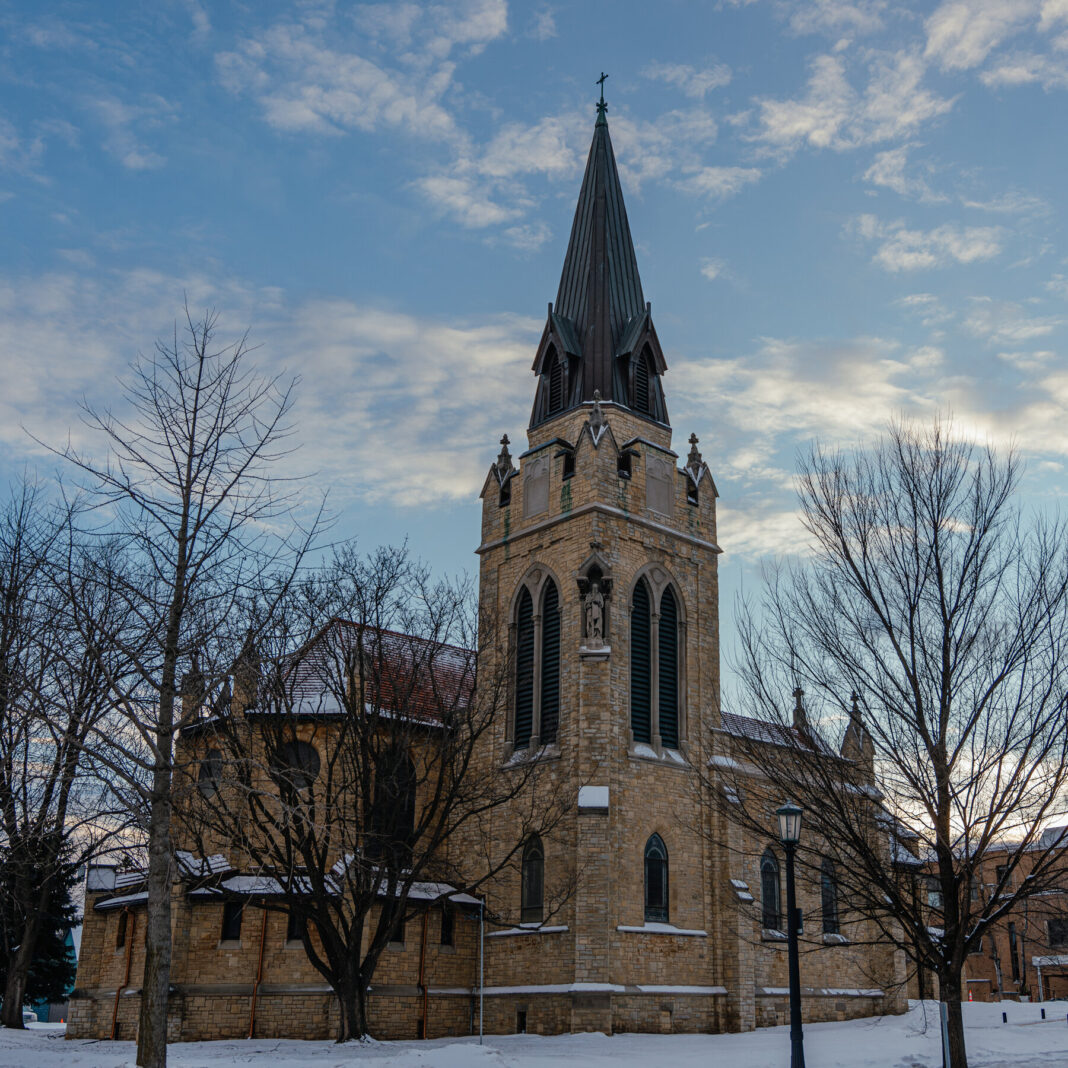
Court documents describe the government’s strategy as overly aggressive. The defendants face charges linked to a protest outside a church. Authorities allege the group interfered with federal operations related to immigration enforcement. The defense maintains their actions were protected under the First Amendment.
The motions request the dismissal of all charges. Alternatively, the defense seeks to suppress key evidence gathered during the investigation. The filings argue that evidence was obtained through improper means. They also question the legality of the initial surveillance conducted on the group.
Prosecutors have yet to file a formal response. Legal experts suggest the case could set a precedent for how similar protests are handled. The defense’s challenge hinges on the definition of lawful assembly. The outcome may clarify the limits of federal investigative power in such contexts.
The case has drawn attention from civil liberties organizations. Several groups have filed amicus briefs supporting the defendants. They argue the prosecution could have a chilling effect on religious communities. The church at the center of the dispute has remained publicly supportive of the protestors.
A hearing on the motions is scheduled for next month. The judge will consider arguments from both sides. A ruling on the dismissal request could come shortly after. Until then, the defendants remain free on bail. The case continues to unfold in federal court.