The 10-year Treasury yield is nearing 5%, a level that has historically signaled caution for stock investors. This benchmark rate influences borrowing costs across mortgages, credit cards, and corporate debt. Its recent climb reflects growing pressure from the bond market.
Higher yields often mean the Federal Reserve is expected to keep interest rates elevated. Bond investors are demanding greater compensation for holding long-term debt. They worry inflation will remain stubborn despite the central bank’s efforts.
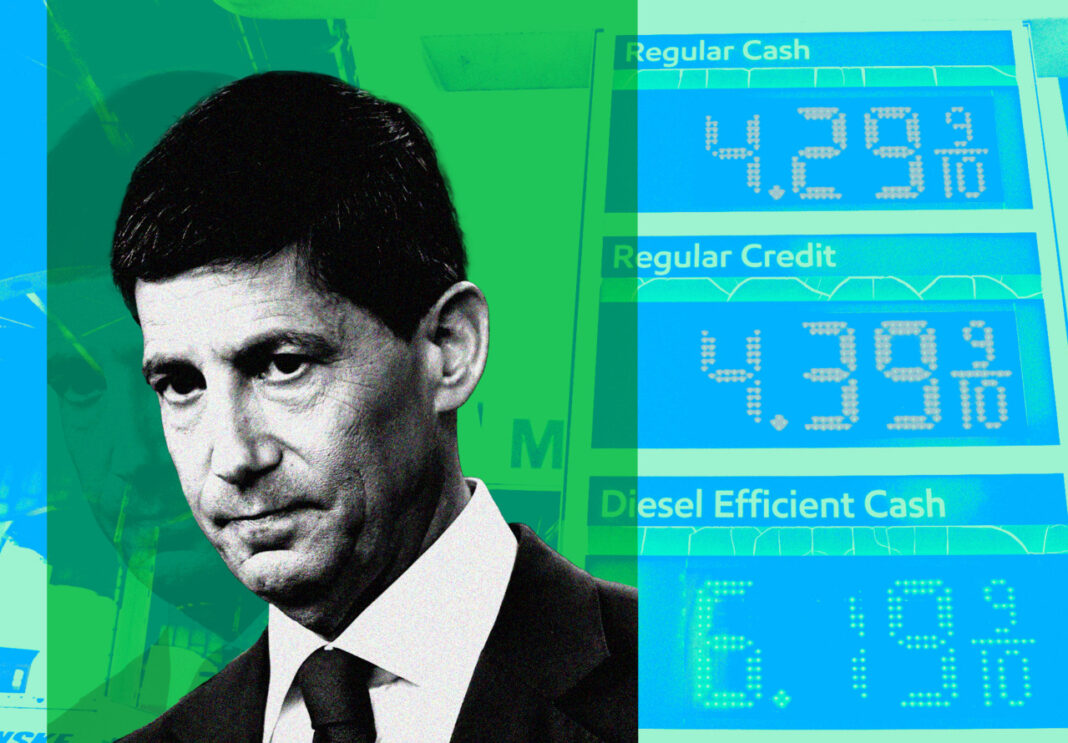
Gas prices, however, do not respond directly to Fed rate hikes. Fuel costs depend on global oil supply, refinery capacity, and geopolitical tensions. Rate increases cannot drill more oil or reopen shuttered refineries.
The bond market is pushing for rate hikes for a different reason. Investors want to protect the value of their fixed-income holdings from inflation. Rising rates reduce the present value of future bond payments, so they sell off debt until yields adjust upward.
This dynamic creates a paradox. The Fed raises rates to cool inflation, but energy prices stay high due to supply constraints. Bond investors then demand even higher yields, anticipating more central bank action that may not affect gas costs.
Stocks feel the squeeze from both sides. Higher yields make equities less attractive compared to risk-free Treasuries. At the same time, elevated energy costs pressure corporate profit margins and consumer spending.
The bond market’s signal is not really about gasoline. It reflects deep uncertainty over inflation’s path and the Fed’s ability to control it. Until supply chains and energy markets stabilize, rate hikes alone will not bring relief at the pump.
Investors should watch the 10-year yield as a gauge of market fear, not as a tool for predicting fuel prices. The two are linked through broader inflation expectations, but they follow different economic forces. A yield near 5% suggests caution, not a solution.