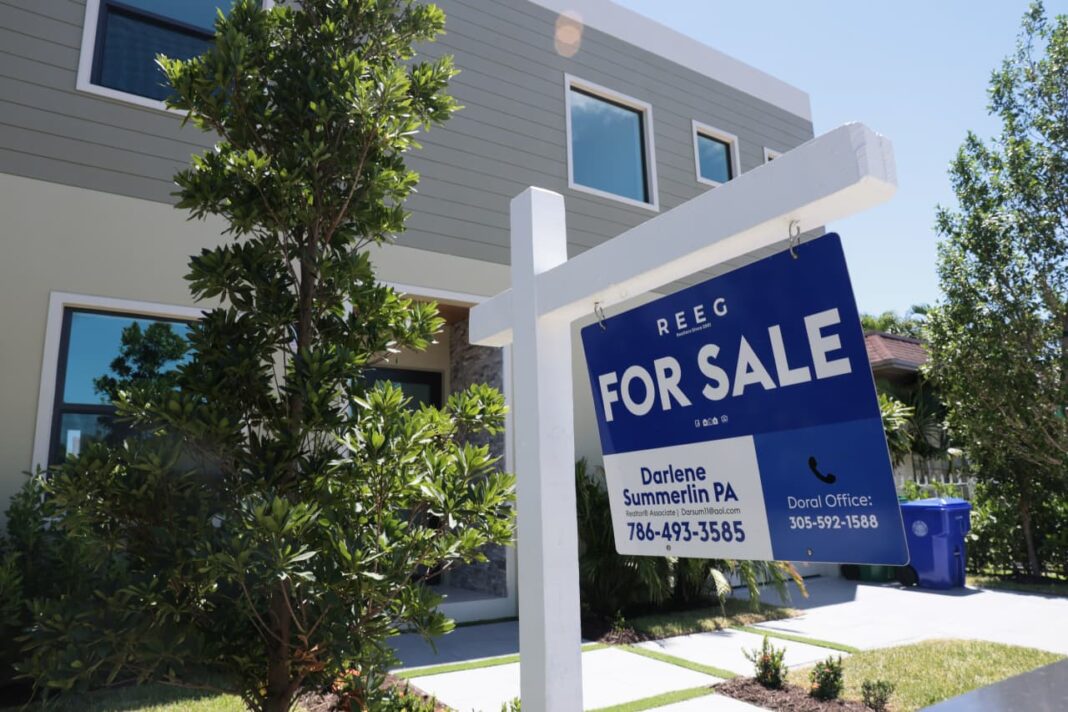
The average 30-year fixed mortgage rate has climbed sharply in recent weeks. This surge follows a rise in the 10-year Treasury yield, which lenders use as a key benchmark. The outlook for the U.S. economy remains uncertain, adding pressure to borrowing costs.
Some industry analysts now say an 8% mortgage rate is possible. That level has not been seen in over two decades. The possibility reflects broader volatility in financial markets.
The 10-year Treasury yield has increased as investors weigh inflation and Federal Reserve policy. When Treasury yields rise, mortgage rates typically follow. This link makes home loans more expensive for buyers.
Higher rates reduce purchasing power for homebuyers. A buyer with a fixed budget can afford a smaller loan as rates increase. This dynamic has already cooled demand in many housing markets.
The Federal Reserve has signaled it may keep interest rates higher for longer. That stance aims to bring inflation down to its 2% target. However, it also pushes up borrowing costs across the economy.
Some economists argue that an 8% rate would further strain the housing market. Others note that rates could stabilize if inflation shows consistent signs of easing. The path forward depends largely on upcoming economic data.
For now, prospective buyers face an unpredictable rate environment. Experts recommend shopping around for lenders and considering adjustable-rate options. Locking in a rate early can also provide some protection against further increases.