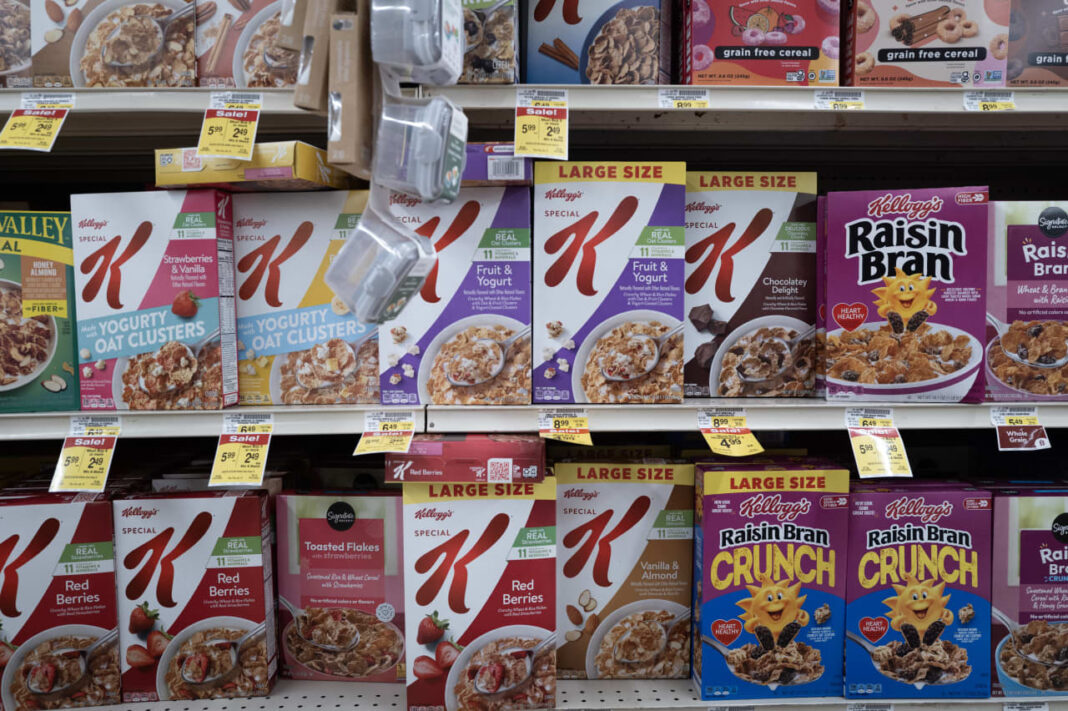
The trend known as “Fibermaxxing” has driven a wave of new products like fiber sodas and gummies onto store shelves. Companies are eager to capitalize on the growing demand for functional snacks. However, health experts are raising concerns about whether these products deliver real benefits.
The craze centers on consuming high amounts of dietary fiber for supposed health perks. Supporters claim it improves digestion, boosts energy, and aids weight management. The movement has gained traction on social media, fueling rapid product launches.
Major beverage and candy brands now offer fiber-infused versions of their popular items. Soda makers have released sparkling waters with added fiber, while gummy producers market chewy supplements as convenient alternatives. The marketing often emphasizes “gut health” and “fullness.”
Nutrition scientists caution that these processed fiber sources may not match the benefits of natural fiber from whole foods. They note that the body responds differently to isolated fibers compared to fiber found in fruits, vegetables, or grains. The long-term effects of consuming large amounts are not fully studied.
Some experts warn that over-reliance on fiber supplements could lead to digestive discomfort or reduced nutrient absorption. Bloating, gas, and cramping are common side effects when fiber intake increases too quickly. The products may also encourage poor eating habits by replacing more nutritious options.
Regulatory oversight for functional snacks remains limited in many regions. Claims on packaging often lack rigorous scientific backing. Consumers may struggle to distinguish between evidence-based benefits and marketing hype.
The “Fibermaxxing” trend reflects a broader interest in functional foods that promise targeted health outcomes. Yet the rush to innovate sometimes outpaces the science. Buyers should approach these products with a critical eye and prioritize whole foods as the primary fiber source.