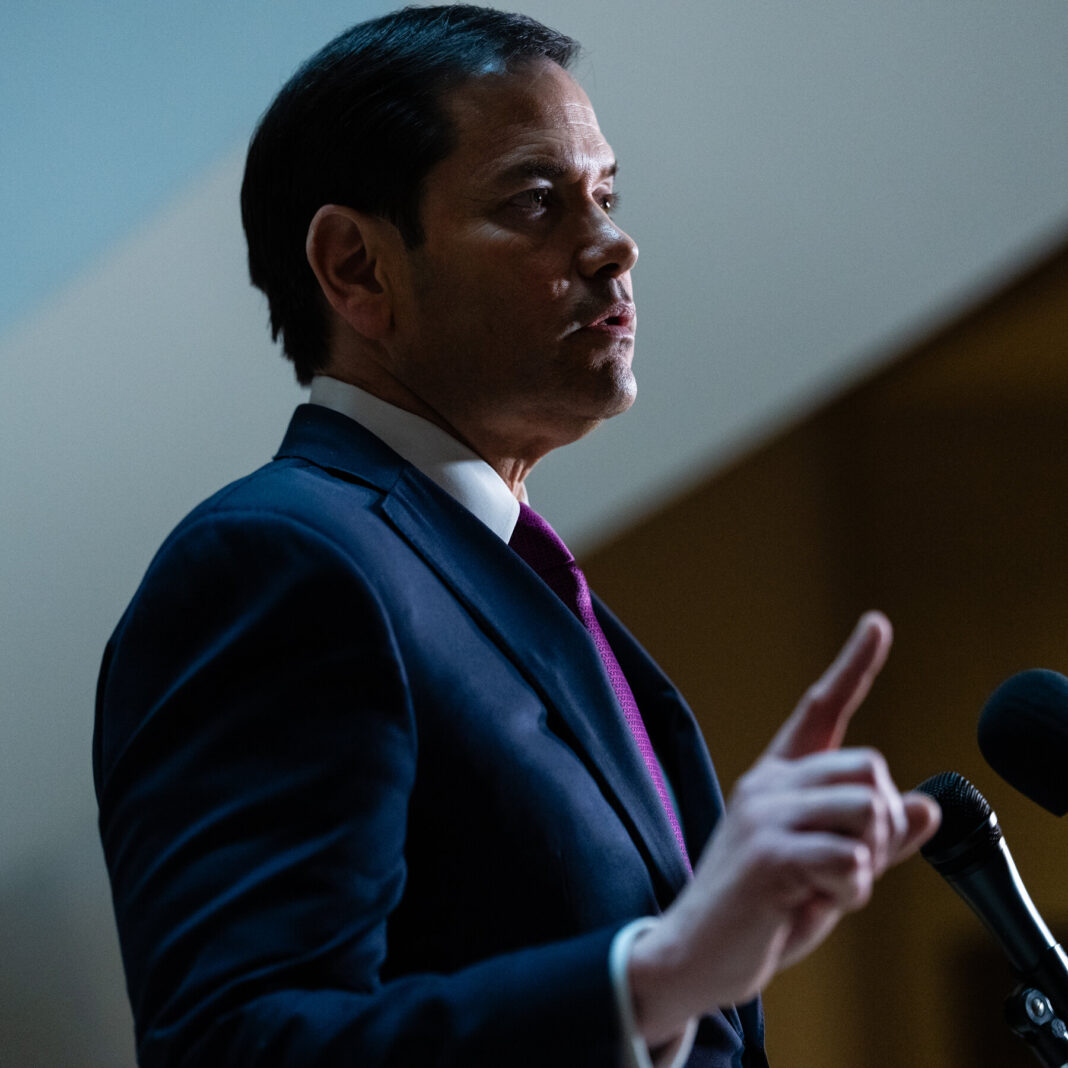
Secretary of State Marco Rubio released a video message aimed directly at the Cuban people, urging them to support policies under the Trump administration. The rare direct address marks a significant shift in diplomatic communication between the two nations. Rubio placed blame for the country’s ongoing electricity and resource shortages squarely on former leader Raúl Castro. He argued that decades of mismanagement have left the island in a state of crisis. The video is part of a broader effort to reframe U.S.-Cuba relations.
Rubio’s statement highlights the administration’s focus on undermining the current Cuban government’s narrative. He framed the shortages as a direct result of political failures rather than external factors. The address avoided mentions of the U.S. embargo, which critics say contributes to the shortages. Instead, it emphasized internal governance as the root cause of the hardships. This approach aligns with the administration’s long-standing criticism of the Castro regime.
The video was distributed through social media and state-backed platforms in Cuba. It is unclear how many citizens were able to access the message. The Cuban government maintains strict control over internet and broadcast media. This limited distribution may reduce the immediate impact of Rubio’s remarks. However, it signals a new tactic in the Trump administration’s outreach to Cuban audiences.
Relations between the U.S. and Cuba have been tense since the Trump administration reversed Obama-era policies. The administration reinstated travel restrictions and tightened the embargo. Rubio, a Cuban-American senator before his appointment, has long advocated for a hardline stance. His direct video address bypasses traditional diplomatic channels. This move suggests the administration is prioritizing public persuasion over official negotiations.
The Cuban government has yet to issue an official response to the video. State media outlets have not broadcast or commented on the remarks. This silence indicates a cautious approach from Havana. Analysts expect the government to dismiss the address as propaganda. The lack of immediate reaction does not necessarily suggest disinterest.
For Cubans facing daily power outages and shortages, the message may resonate with those frustrated by government failures. However, many remain skeptical of U.S. intentions. The history of interventions and sanctions has fostered deep mistrust. Rubio’s appeal could struggle to gain traction among those wary of foreign influence. The administration’s strategy relies on tapping into existing discontent.
This video marks a new chapter in the Trump administration’s Cuba policy. It moves beyond sanctions and proclamations to direct citizen outreach. The effectiveness of this approach will depend on how Cubans interpret the message. For now, the administration is betting that personal testimony from a Cuban-American leader will sway opinion. The long-term impact remains to be seen.