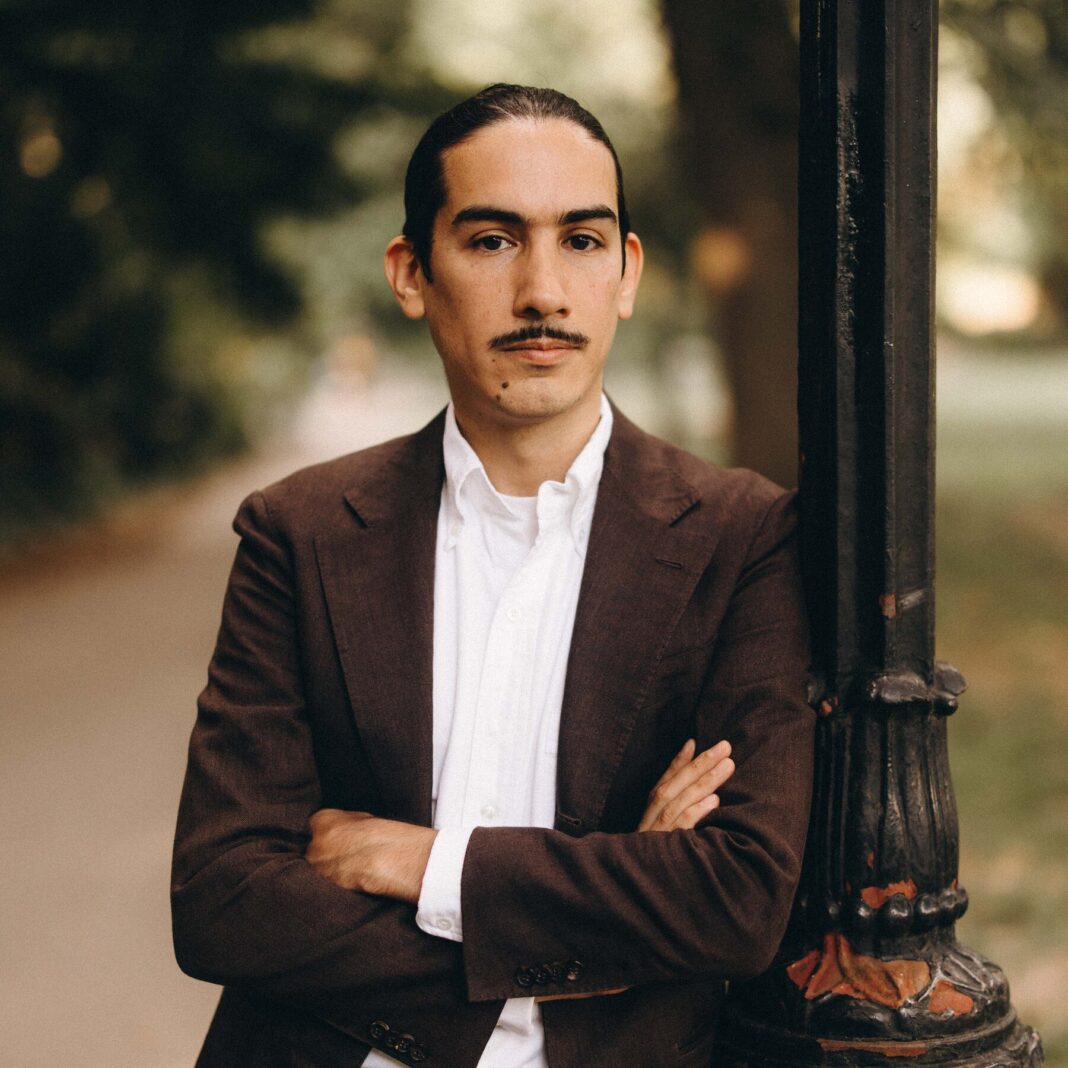
The curious case of Guren “Bobby” Zhou highlights how investors with questionable backgrounds can channel funds to the president.
Zhou transferred $100 million into a Trump-affiliated crypto venture, according to records reviewed by The New York Times.
The businessman’s history includes legal disputes and regulatory warnings that raised concerns among financial experts.
The transaction came through a complex series of digital asset moves, obscuring the original source of the funds.
Trump’s crypto project accepted the money without public disclosure of Zhou’s prior business troubles.
Federal campaign finance laws do not restrict such direct payments to private businesses tied to the president.
Ethics watchdogs argue this creates a loophole for foreign or untraceable money to influence political figures.
Zhou denied any wrongdoing and stated his investment was a straightforward business decision.
The White House did not respond to requests for comment on the transaction’s details.
This case underscores the growing intersection of digital currencies and political fundraising.
Regulators have yet to issue clear rules governing crypto payments to public officials’ ventures.
Experts say the lack of oversight leaves room for future abuses in similar arrangements.
The full scope of Zhou’s business network remains unclear, with active investigations in several states.
Observers note that transparency rules lag behind the rapid adoption of cryptocurrency in political circles.
The episode adds to ongoing debates about ethics and accountability in modern political finance.