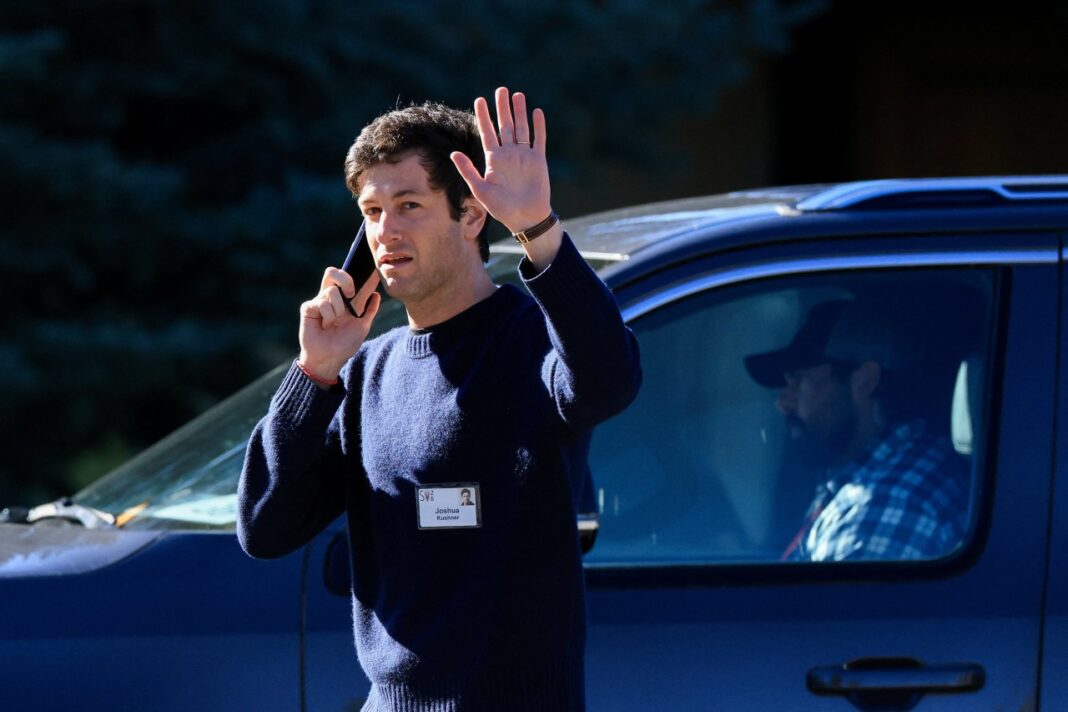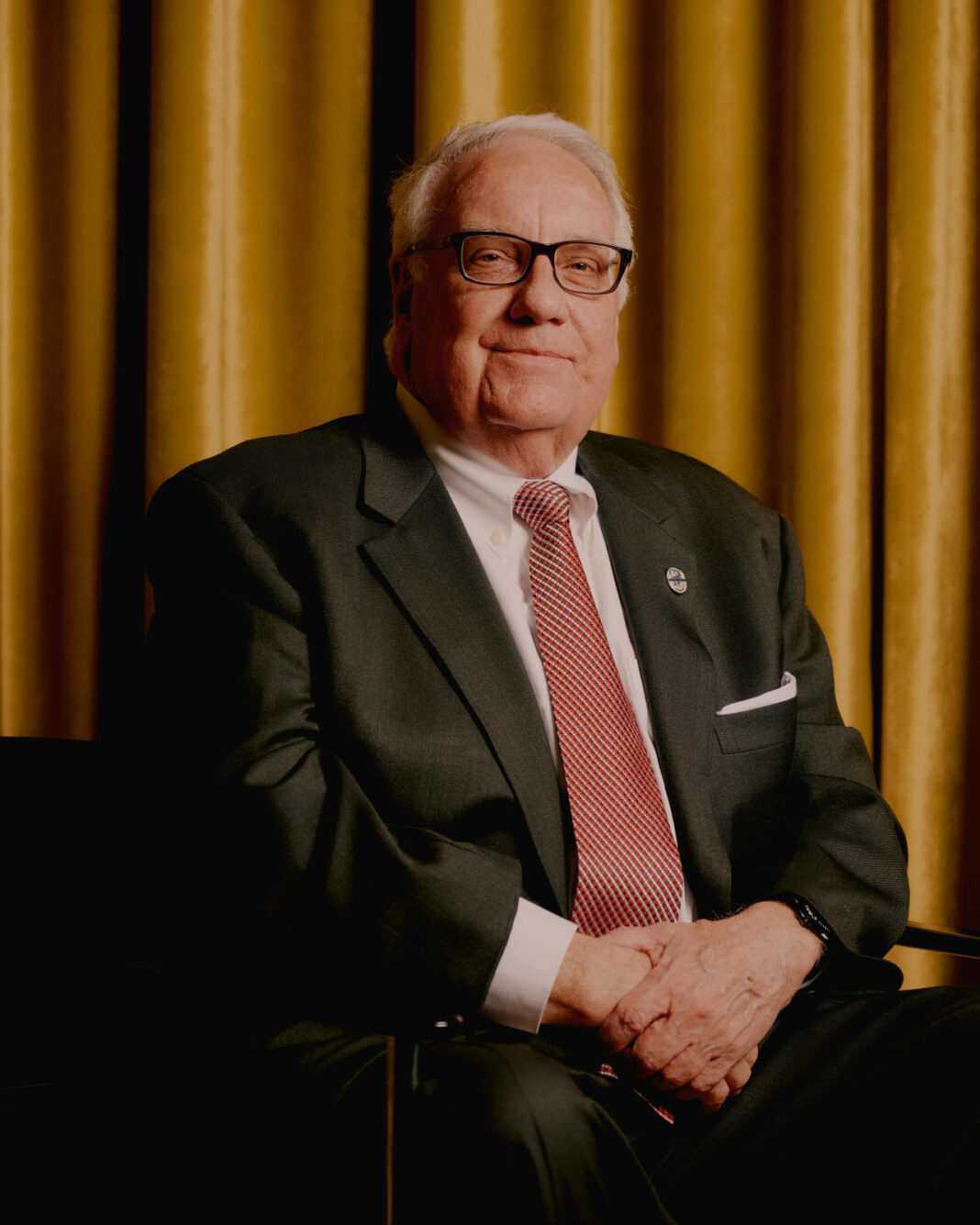
Howie Buffett is set to become chairman of Berkshire Hathaway, marking a significant leadership change. His appointment signals a new chapter for the conglomerate. The move places the company in unfamiliar territory.
Warren Buffett’s son has long been involved with the company’s philanthropic efforts. His new role focuses on preserving Berkshire’s distinct culture. That culture emphasizes decentralization and long-term thinking.
The elder Buffett built Berkshire into a massive holding company over decades. Its success stems from a hands-off management style. Subsidiaries operate with unusual independence.
Howie Buffett’s ascension raises questions about governance and succession. He will not take over as CEO, a role reserved for Greg Abel. The chairman position remains separate from daily operations.
Berkshire’s board has positioned the transition as a way to maintain stability. Shareholders have historically trusted Warren Buffett’s judgment. That trust now extends to his son’s stewardship.
The company’s future depends on balancing tradition with necessary evolution. Howie Buffett has indicated he will not interfere with managers. Instead, he aims to protect the existing framework.
Observers note that this arrangement is rare among large public companies. Family members often serve as figureheads or active executives. Berkshire’s case blends both elements carefully.
The transition unfolds as Berkshire faces shifting market conditions. Its diverse holdings range from insurance to railroads. Each business must adapt without losing its core identity.
Howie Buffett’s tenure will test whether a founder’s culture can outlast the founder. Success would offer a template for other conglomerates. Failure could unravel decades of careful planning.