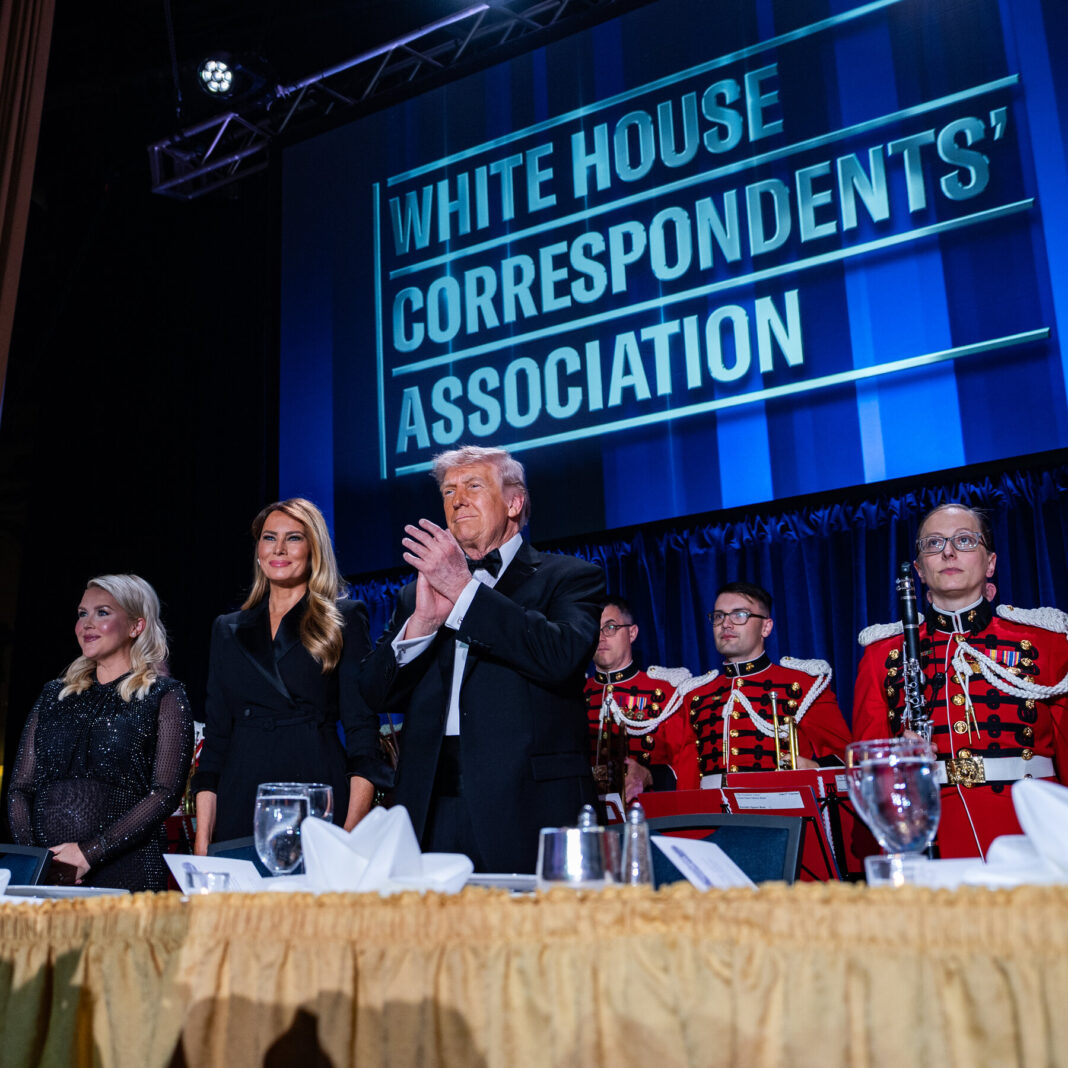
A gunman’s attack at the April White House Correspondents Dinner has intensified an already recurring debate about one of Washington’s most scrutinized traditions. The event, typically a mix of political satire and media celebration, now faces questions about its future.
The shooting occurred during the dinner, causing panic and raising immediate security concerns. Details remain limited, but the incident has shifted focus from the usual discussion of jokes and speeches to whether the gathering should continue.
Many journalists and political figures are calling for a reassessment. The dinner has long been criticized for fostering a cozy relationship between the press and politicians. Critics argue the event blurs the line between reporting and socializing.
Supporters, however, see the dinner as a vital outlet for free expression. They note it has survived past controversies, including boycotts and political tensions. The attack adds a new layer of urgency to these longstanding debates.
Organizers are now weighing several options. Some suggest moving the event online to reduce risks. Others propose limiting the guest list to essential participants. A complete cancellation remains a possibility, though many view it as an overreaction.
Security protocols will likely see major changes regardless of the format. Enhanced vetting, metal detectors, and stricter access controls are expected. The Secret Service and local police are reviewing their response to the attack.
The incident also raises broader questions about safety at high-profile media events. Similar gatherings, such as the Gridiron Club dinner, may face increased scrutiny as well. The media industry must now balance tradition with security.
Public reaction has been mixed. Some see the attack as a reason to end the dinner permanently. Others argue that giving in to violence would undermine journalistic resilience. The debate reflects deeper divisions in American society.
The White House Correspondents Association has promised a thorough review. A decision on next year’s event is expected within months. The outcome will likely set a precedent for how the press navigates public events in an era of heightened threats.