Dermatologists are weighing in on a popular skin-care combination circulating on TikTok: azelaic acid paired with tretinoin. The duo has gained traction among users seeking to address acne, hyperpigmentation, and signs of aging simultaneously. Experts confirm that the two ingredients can be used together safely, provided they are introduced with care.
Azelaic acid works by calming inflammation and fading dark spots, while tretinoin accelerates cell turnover to smooth texture and unclog pores. Their mechanisms do not directly conflict, making them complementary for many skin types. However, both can cause irritation, especially during the initial adjustment period.
Dermatologists recommend starting with lower concentrations of each ingredient and applying them on alternate nights rather than together at first. This gradual approach allows the skin barrier to build tolerance without excessive redness or peeling. Once the skin adapts, the two can be layered in the same routine, with azelaic acid applied before tretinoin.
Morning use of azelaic acid alongside a nighttime tretinoin routine is another effective strategy. Sunscreen remains essential, as tretinoin increases photosensitivity and azelaic acid can enhance the risk of sun damage. Experts stress that neither ingredient replaces daily protection against UV rays.
Those with sensitive or compromised skin should consult a dermatologist before combining the products. Conditions like rosacea or active eczema may require adjusted formulations or a slower titration schedule. Professional guidance ensures the pairing delivers results without unnecessary side effects.
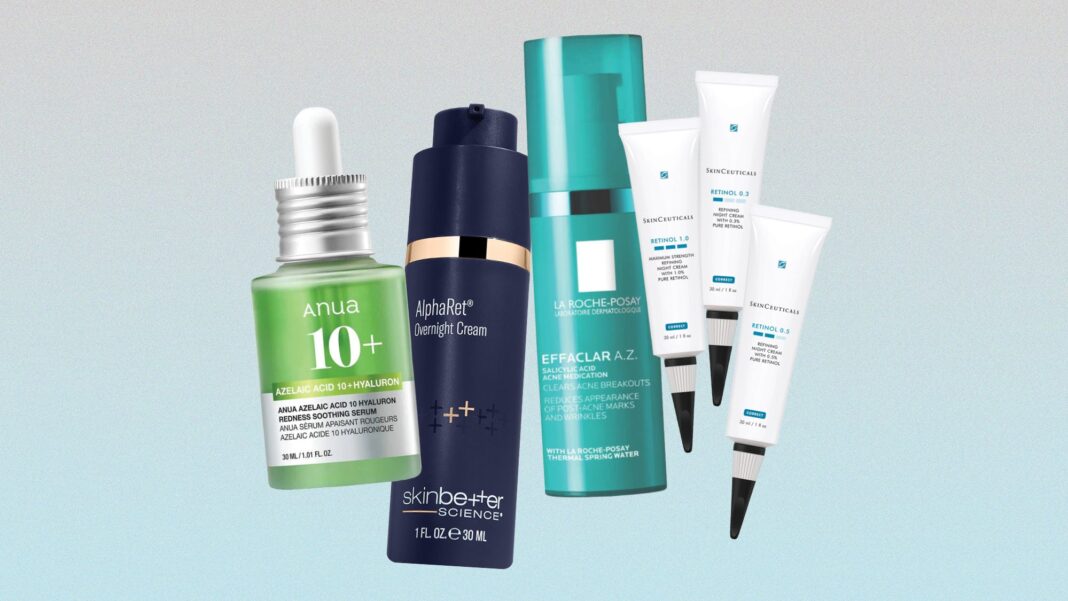
Clinical evidence supports the combined use for stubborn acne and melasma, where single agents often fall short. Many formulations now include both ingredients, simplifying application, though separate products allow for more flexible dosing. Users should monitor their skin for signs of over-exfoliation, such as stinging or excessive dryness.
Ultimately, the azelaic acid-tretinoin combination stands as a viable option for those willing to proceed with patience. A consistent, gentle routine—rather than aggressive layering—yields the most reliable outcomes. As with any skin-care decision, individual response dictates the final approach.