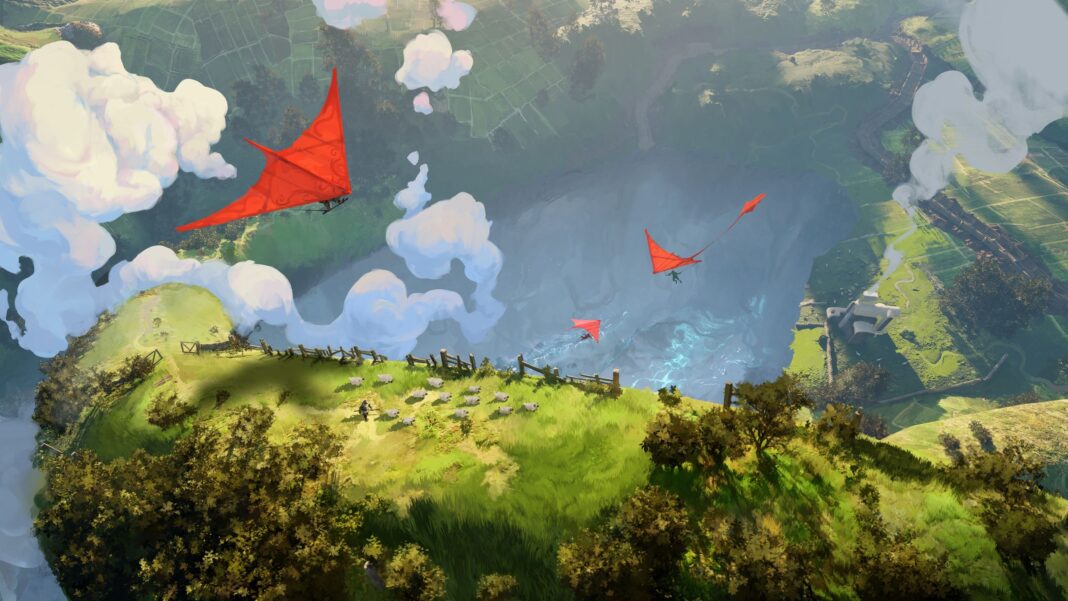
ArenaNet offered a first look at Guild Wars 3 during a recent press event. The sequel arrives 15 years after its predecessor, with a beta scheduled for next year. The most notable change is a new momentum engine that shifts combat closer to an action RPG style.
This engine alters how movement and attacks interact during fights. Players will find that positioning and timing carry more weight than in previous titles. The system aims to make encounters feel fluid and reactive rather than static.
The shift toward action-oriented mechanics does not abandon the franchise’s strategic roots. The presentation highlighted that buildcrafting and team coordination remain central to the experience. The new system simply adds a layer of physicality to those decisions.
Early impressions suggest the combat feels snappier and more immediate. Dodging, striking, and chaining abilities now require a more hands-on approach. This could attract players who prefer the pace of games like *Elden Ring* or *God of War*.
For veterans, the change represents a significant evolution from the original *Guild Wars* formula. The core promise of a living, reactive world remains intact. However, the way players engage with that world appears fundamentally different.
The beta next year will be the first public test of these systems. ArenaNet has not yet confirmed a full release date or detailed system requirements. Those details are expected to follow after the beta period.
The project arrives at a time when the action RPG genre is highly competitive. The momentum engine gives *Guild Wars 3* a distinct identity, differentiating it from both its predecessor and other MMOs. The early look leaves a strong impression of a game that is not resting on legacy.
Fans of the series now have a clear reason to watch the coming months closely. The beta will be the decisive moment to see if the new combat direction holds up under scale. For now, the groundwork shows promise.