
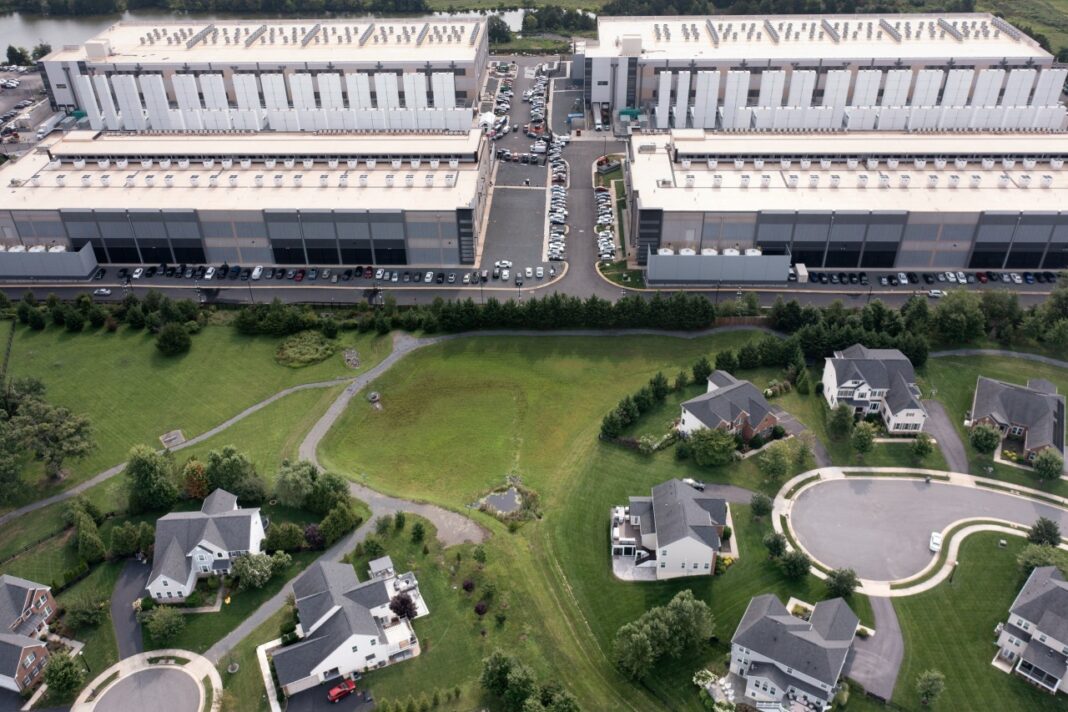
The rapid expansion of artificial-intelligence data centers has created a new and lucrative market for insurers. These massive facilities, known as hyperscale data centers, face a wide range of risks during both construction and daily operations. Threats include tornadoes, power outages, and other disruptive events that can halt critical computing services.
The complexity of these facilities makes them particularly difficult to underwrite. Builders and operators are seeking coverage for everything from extreme weather damage to equipment failure. Traditional property insurance policies often fall short of addressing the unique vulnerabilities of high-density computing environments.
Insurers are now developing specialized products tailored to the needs of the digital infrastructure sector. These new policies go beyond standard property protection. They account for the cascading effects of a single point of failure, such as a power cut that disables cooling systems and leads to server shutdowns.
The financial stakes are significant. A single interruption at a hyperscale facility can result in millions of dollars in lost revenue and recovery costs. This potential for large-scale losses has prompted underwriters to reassess their risk models. They are incorporating data on grid reliability, regional climate patterns, and supply chain fragility.
Construction-phase coverage is also becoming a focus. Building these data centers involves long timelines and heavy reliance on specialized components. Delays caused by weather or logistical problems can quickly escalate into substantial claims. Insurers are responding with policies that bridge the gap between construction risks and operational risks.
Industry analysts note that the demand for this type of insurance will grow alongside AI adoption. As more companies integrate artificial intelligence into their operations, their dependence on interconnected data centers deepens. That reliance translates directly into a need for robust risk-transfer solutions.
The underwriting process itself presents a learning curve. Data center operations require technical knowledge that many traditional insurance professionals lack. To address this gap, some firms are hiring engineers and IT specialists to guide risk assessments. This expertise helps in accurately pricing premiums and setting coverage limits.
The market is still maturing, with capacity and pricing evolving as claims data becomes available. Early policies are being written with cautious terms while insurers gather performance benchmarks. This measured approach aims to avoid the volatility seen in other specialty insurance lines after major disasters.
For investors and executives in the digital economy, this development signals a broader shift. Insurability is becoming a key factor in data center site selection and design decisions. Facilities that mitigate risks effectively will likely secure more favorable coverage terms.
The intersection of technology and insurance is opening a new frontier for the financial sector. Companies that can navigate the technical complexity of AI infrastructure stand to gain a competitive edge. The result may be a more resilient backbone for the digital age.



