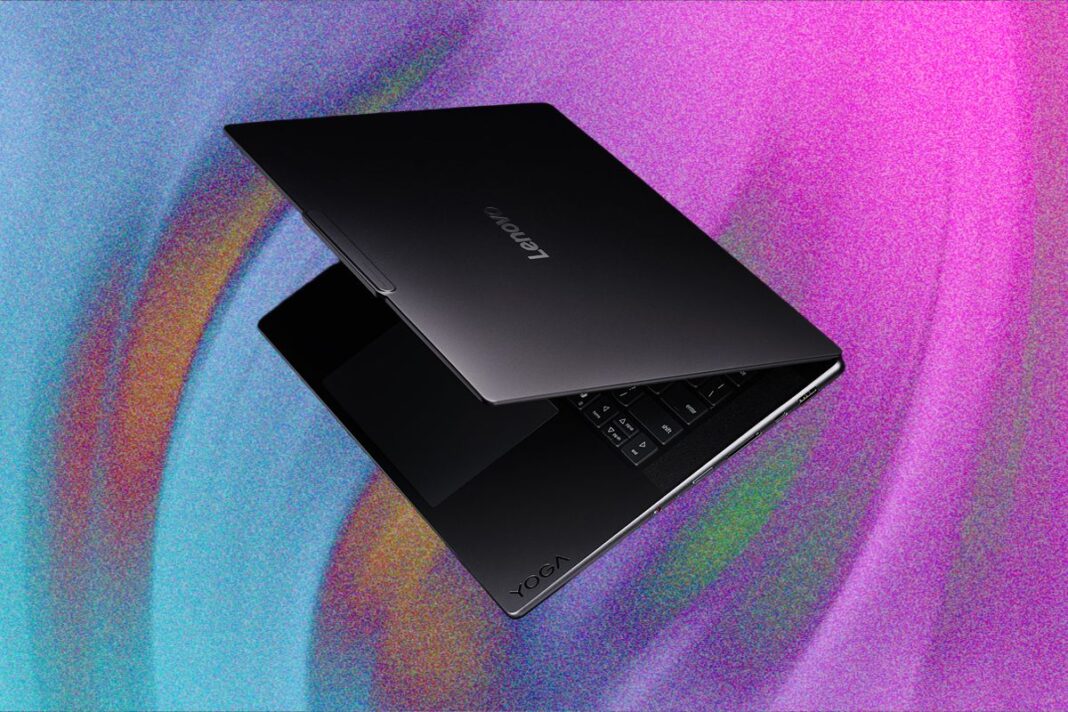
Nvidia and its partners unveiled the first RTX Spark-powered laptops and mini PCs at IFA 2026. The new hardware marks a significant step in bringing advanced AI processing directly to personal computers. These devices are engineered to run sophisticated AI models locally, reducing reliance on cloud-based services.
The new “superchip” architecture is designed to handle demanding AI workloads. This includes tasks such as real-time language translation, image generation, and complex data analysis without an internet connection. Nvidia positions this as a shift toward more private and responsive computing, where data stays on the device.
Initial demonstrations at the trade show highlighted the performance capabilities of the new chips. Systems powered by RTX Spark were shown processing large language models and generating high-resolution images at speeds comparable to some cloud servers. This performance level was previously unattainable on consumer hardware.
The first wave of products includes laptops from major manufacturers and compact desktop units for home offices. These devices are targeting both creative professionals and power users who require on-demand AI resources. The mini PCs, in particular, offer a small-footprint solution for those who want dedicated AI power at a desk.
Analysts attending the event noted the potential impact on the broader software ecosystem. With AI processing moved to the edge, developers can now build applications that require near-instant response times. Applications such as augmented reality and real-time voice assistants could become more seamless as a result.
Battery life and thermal management remain key concerns for portable RTX Spark devices. Early specifications suggest that manufacturers have implemented advanced cooling systems to manage the heat output from the new chips. However, power consumption under heavy AI loads will determine real-world usability for laptop users.
Nvidia is also focusing on the software stack that supports the new hardware. The company has expanded its developer tools to simplify the deployment of AI models on these devices. This includes optimizations for popular frameworks like PyTorch and TensorFlow, which should ease the transition for software creators.
Pricing for the new RTX Spark devices is expected to be announced closer to retail availability later this year. The market reception will hinge on whether consumers see tangible benefits from local AI processing over existing cloud solutions. Early indicators from IFA suggest strong interest from both developers and early adopters.