A Marine from a small New England town died in the Iraq War. A quarter-century after the Sept. 11 attacks, his mother is still searching for meaning in his loss. She asks a question that has haunted her family for decades: “What was it for?”
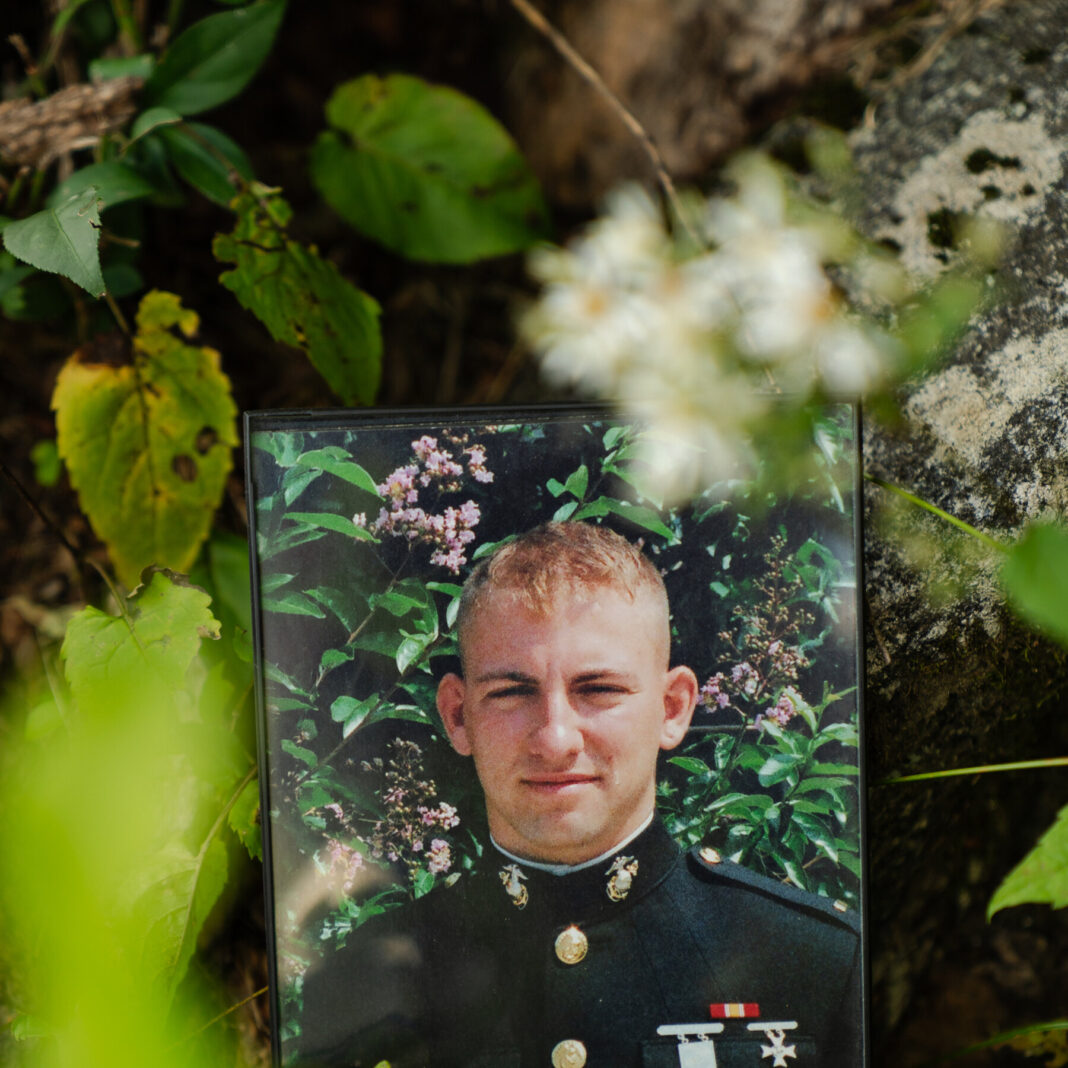
Travis Fuller grew up in a close-knit community. He enlisted in the Marines shortly after the terror attacks, driven by a sense of duty. His deployment to Iraq came not long after, placing him in the heart of the conflict that defined his generation.
He never returned home. Fuller was killed during his tour, leaving behind a family and a hometown that struggled to process the sudden void. His mother, now speaking publicly about her grief, recalls the day she learned of his death. She describes the knock on the door and the uniformed officers on the other side as the moment her world collapsed.
In the years since, she has wrestled with the broader purpose of the war. The initial justification for the invasion centered on weapons of mass destruction that were never found. The U.S. military presence in Iraq stretched on for nearly a decade, with a costly occupation and a complex withdrawal.
For her, the political debates are not abstract. They are tied directly to the life of her son, who believed he was serving a noble cause. She pores over old letters and photographs, looking for clues that might explain the outcome. She finds only memories of a young man eager to make a difference.
Her question mirrors a wider national reckoning. Many families of fallen service members have voiced similar doubts about the long-term results of the Iraq War. Public opinion shifted dramatically over the years, as the human cost mounted and the strategic gains remained unclear.
Her hometown has not forgotten Travis Fuller. A memorial plaque stands near the town hall, and local veterans leave flags on his grave each Memorial Day. But for his mother, these gestures offer little comfort. She wants a deeper answer, one that justifies the sacrifice.
She continues to speak about her son, keeping his story alive. Interviews like this one serve as a record of her unresolved grief. She hopes that sharing her pain might prompt others to reflect on the true price of conflict.
The 25th anniversary of Sept. 11 brought the memories rushing back. She watched the commemorations on television, seeing the towers fall again. She thought of Travis and the path he chose in the aftermath.
She admits she will likely never find a satisfying answer. The war is over, but its consequences remain. Her son is gone, and no political explanation can bring him back.
Still, she refuses to stay silent. Her question, “What was it for?” is not just a personal lament. It is a challenge directed at leaders and citizens alike, demanding an honest account of a war that changed her life forever.