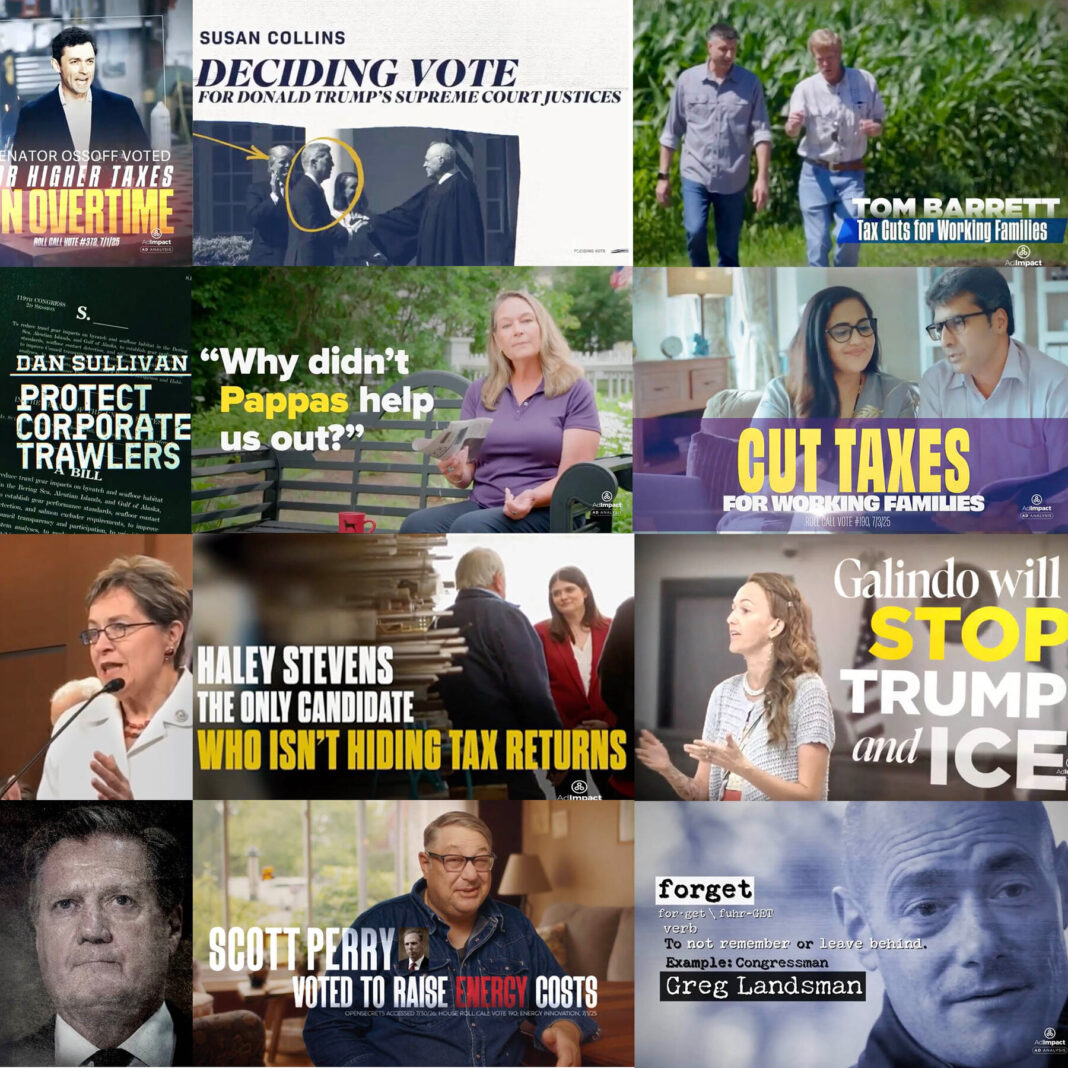
Dark money contributions have reached at least $1 billion in the 2026 midterm cycle, according to campaign finance analysts tracking federal disclosures. The figure marks a significant escalation in anonymous political spending, with funds flowing through nonprofit groups and super PACs that shield donor identities.
The scale of hidden spending now touches nearly every competitive race, from Senate battlegrounds to House districts and state-level contests. Previous midterm cycles saw dark money concentrated in a handful of high-profile races, but this year’s footprint is far broader.
Campaign finance watchdogs have labeled the cycle “the least transparent midterm” on record. Disclosure gaps allow major donors to contribute unlimited sums without public attribution, complicating efforts to trace the sources of political messaging.
Nonprofit organizations classified under tax law as social welfare groups remain the primary vehicles for this spending. These entities are not required to disclose their donors, even when they run political advertisements that explicitly advocate for or against candidates.
Super PACs, which must report their donors, can also receive funds from these nonprofits, creating a layered structure that obscures the original source of the money. The practice is legal under current campaign finance rules but has drawn criticism from transparency advocates.
Analysts point to several factors driving the surge, including loosened regulatory oversight and the rising cost of media placements in key markets. Digital advertising has also expanded the reach of dark money, allowing groups to target voters with precision while leaving fewer public traces.
Voters in swing states are seeing a heavier volume of issue ads that stop short of explicit candidate endorsement but still shape the race. These ads are often funded by groups whose donors remain unknown until after the election, if ever.
Campaign finance reform proponents are calling for new legislation that would require faster disclosure of large contributions. However, legislative efforts have stalled in Congress, leaving the current system intact for the foreseeable future.
The $1 billion threshold is expected to grow as the election approaches. Fundraising reports from the third quarter will provide partial visibility, but major portions of the spending will remain hidden until post-election filings.
For voters, the practical effect is limited information about who is bankrolling the messages they see. That dynamic, observers say, raises questions about accountability in a system already strained by record overall spending.