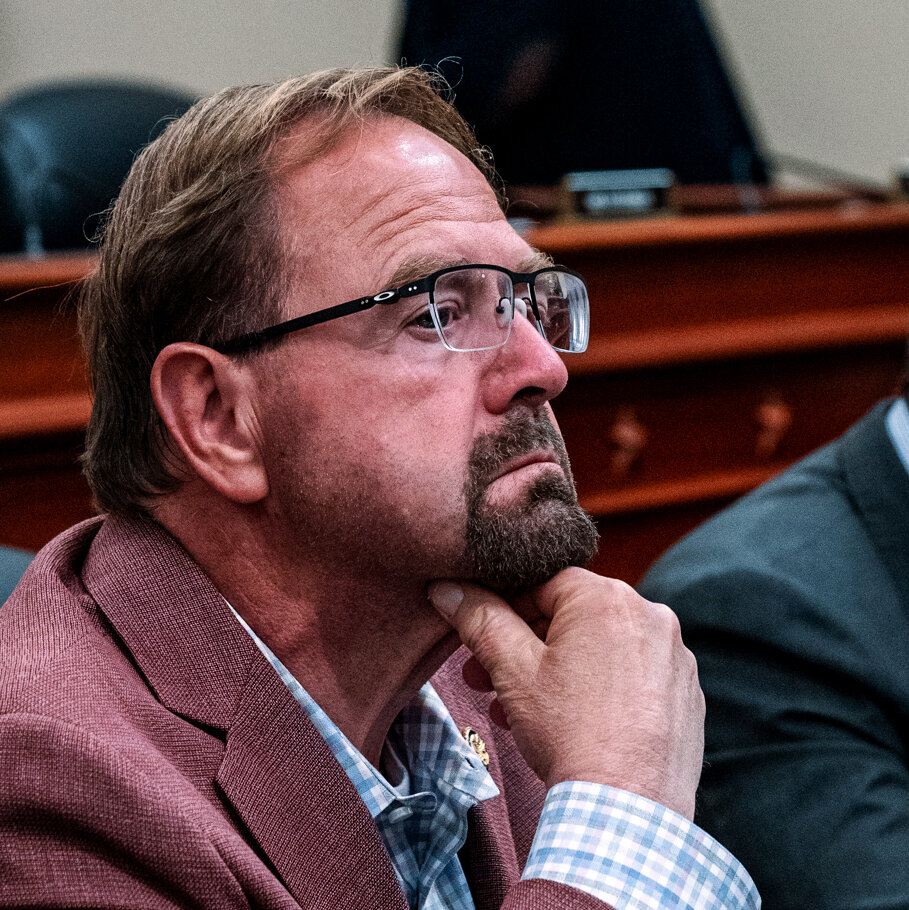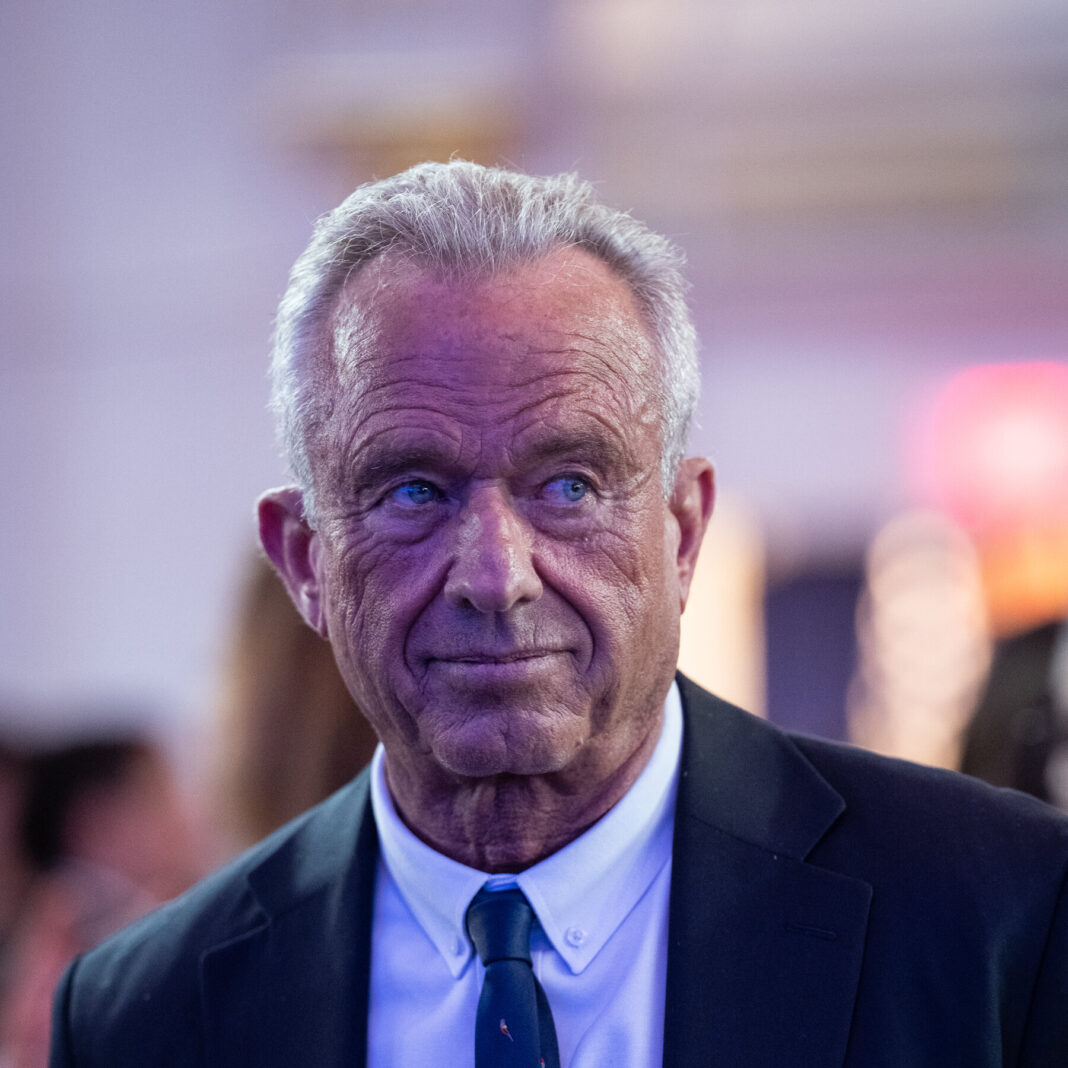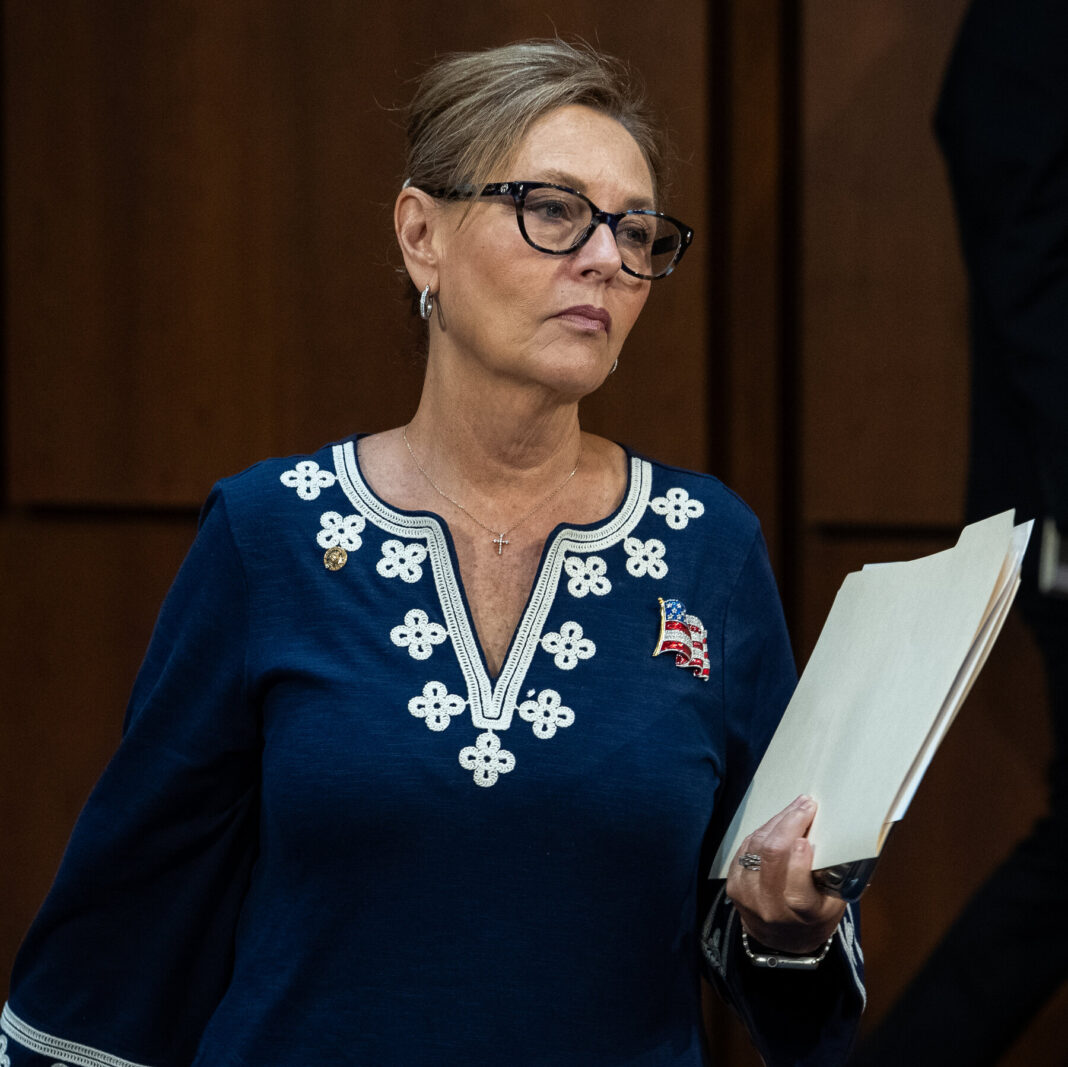
Senator Lindsey Graham’s political legacy shaped the first major debate in South Carolina’s Senate race on Monday. The contest to replace him drew sharp contrasts among the Republican candidates on stage. However, the most prominent figure in the room was not a candidate, but Graham’s sister, Darline.
Darline Graham has secured a formal endorsement from former President Donald Trump, giving her a significant early advantage. That backing has fundamentally altered the dynamics of the primary campaign, placing her at the center of the discussion. Her competitors spent much of the evening attempting to differentiate themselves from her platform.
The debate offered a clear look at the ideological fault lines within the state’s Republican base. Candidates clashed over fiscal policy, specifically regarding federal spending and the national debt. The issue of immigration enforcement also produced some of the sharpest exchanges of the night.
A central point of contention was the candidates’ respective stances on foreign aid, a topic closely associated with the outgoing senator. Some hopefuls argued for a more isolationist approach, while others defended continued international commitments. This division reflects a broader national debate currently gripping the party.
The Trump endorsement proved to be a double-edged sword for Darline, as rivals accused her of relying on name recognition rather than a concrete policy agenda. She countered these attacks by emphasizing her local roots and her direct line to the former president’s political network. She repeatedly framed herself as the only candidate capable of advancing his legislative priorities.
Attendance at the event also highlighted the strategic importance of the rural vote in the upcoming primary. Several candidates made direct appeals to agricultural communities, promising to fight for better trade deals and crop insurance provisions. Analysts note that voter turnout in these areas will likely be decisive in a crowded field.
Another key takeaway was the noticeable absence of direct attacks on the Biden administration from the leading contenders. Instead, the focus remained almost exclusively on intraparty issues. This suggests a campaign strategy centered on mobilizing the base rather than appealing to undecided independents.
The debate concluded with a final round of closing statements, where the candidates each attempted to land their key message. Darline Graham remained the target, but her composure under fire may have solidified her position as the frontrunner. The next scheduled debate is set for late September, giving the challengers time to regroup.
Campaign finance reports released earlier this week showed that fundraising totals remain uneven across the field. Darline Graham holds a considerable financial lead, but several rivals are receiving support from national super PACs. This influx of outside money could extend the contest well past the initial forecast.