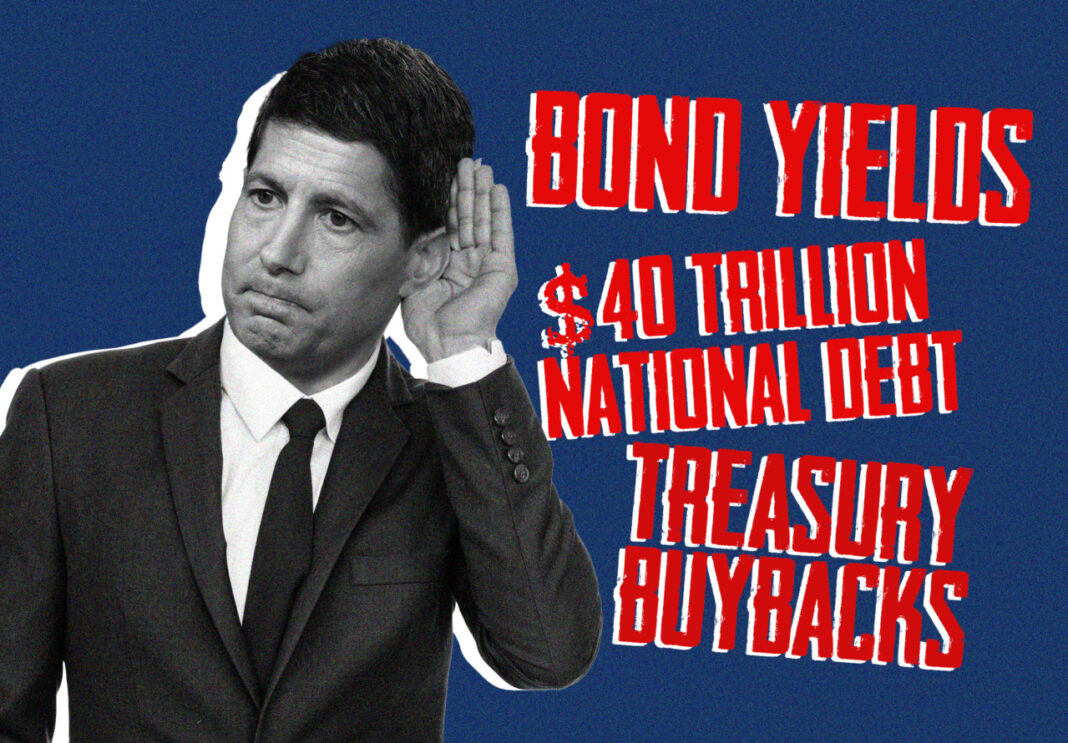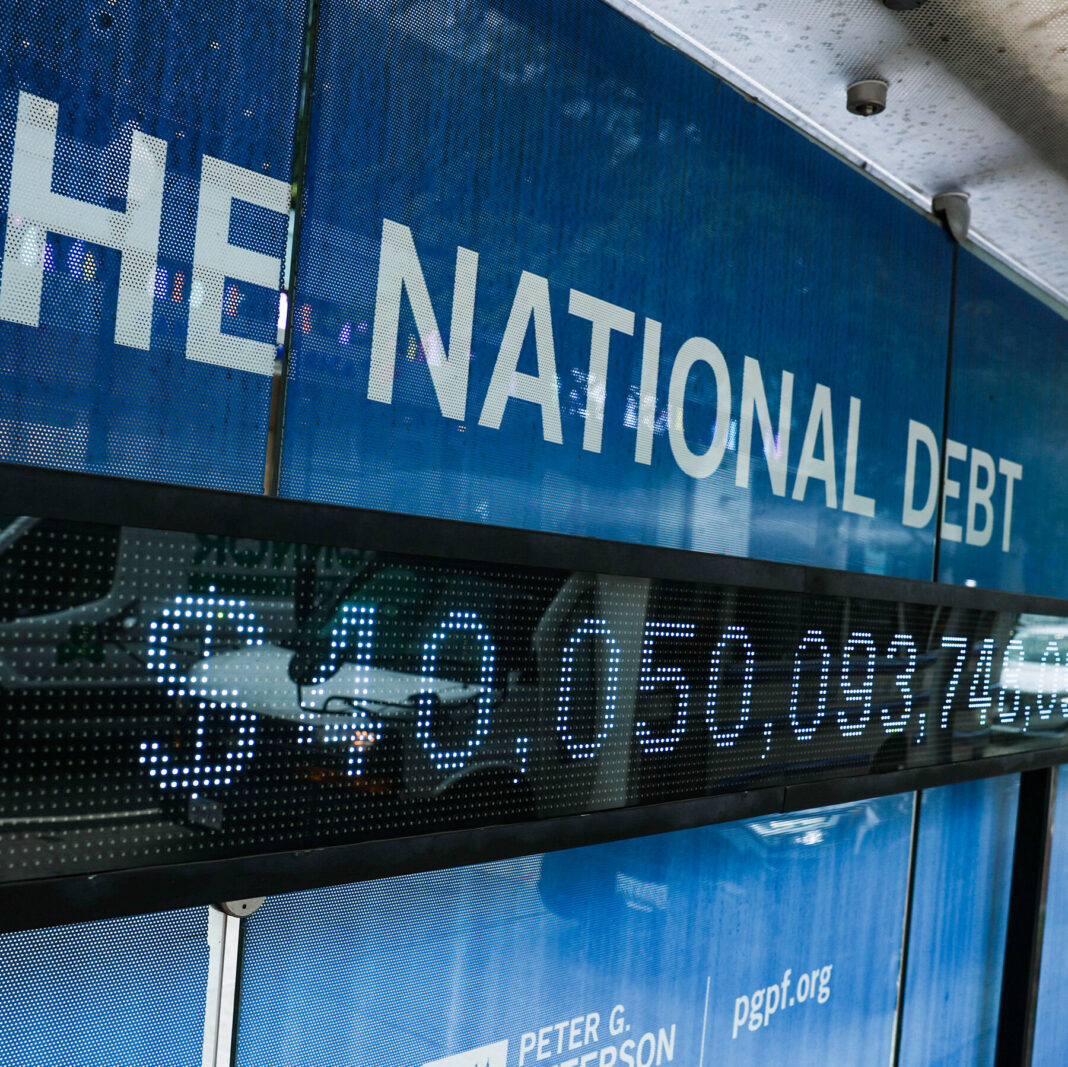
The federal government’s total debt has surpassed $40 trillion, a milestone that has generated little more than a shrug from lawmakers and administration officials. The muted reaction signals a fundamental shift in how Washington views deficit spending. Fiscal hawks who once dominated budget debates now find themselves with diminished influence.
President Trump’s economic team has largely abandoned previous calls for spending cuts. Instead, administration officials emphasize the need for tax reductions and military investment. This marks a stark departure from conservative orthodoxy that prioritized balanced budgets.
Congressional Republicans have offered little resistance to the rising debt levels. Several senior members now argue that deficits matter less when the economy is growing. This rationale supports an agenda of expanded borrowing for domestic priorities and defense.
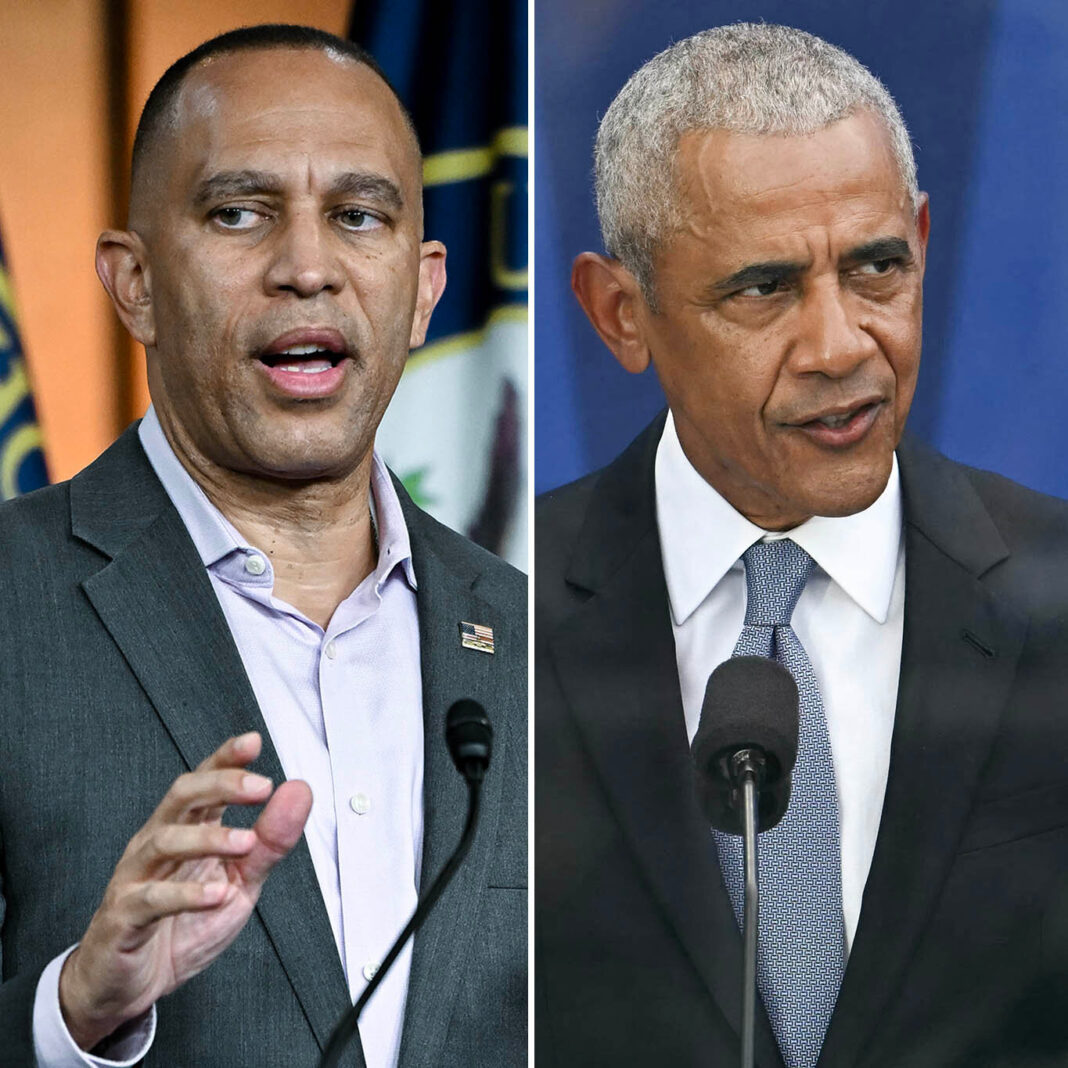
Democrats, meanwhile, have focused their criticism on specific spending packages rather than the overall debt trajectory. They point to the tax cuts as the primary driver of growing obligations. Yet their own proposals also rely on significant new federal expenditures.
Economists remain split on the urgency of the situation. Some warn that unchecked borrowing will eventually lead to higher interest rates and inflation. Others suggest that the U.S. retains unique advantages that allow it to sustain elevated debt levels for longer.
Voter attention has also drifted from the issue. Polls indicate that economic concerns like jobs and prices rank higher than deficit reduction. This public indifference gives politicians little incentive to pursue painful austerity measures.
The $40 trillion figure arrives amid a robust stock market and low unemployment. Those conditions make the debt appear abstract and distant to many citizens. The political class appears content to postpone difficult choices indefinitely.
International observers have taken note of the shifting stance. Credit rating agencies have previously downgraded U.S. debt, yet borrowing costs remain relatively manageable. This creates a sense of complacency that experts say could prove dangerous.
All major budget projections show the debt continuing to climb in the coming decades. Drivers include an aging population and rising healthcare costs. Interest payments alone are expected to consume a growing share of federal revenue.
The current quiet in Washington may not last forever. A future crisis could force sudden action under far worse conditions. For now, the absence of debate represents a notable departure from the politics of previous generations.