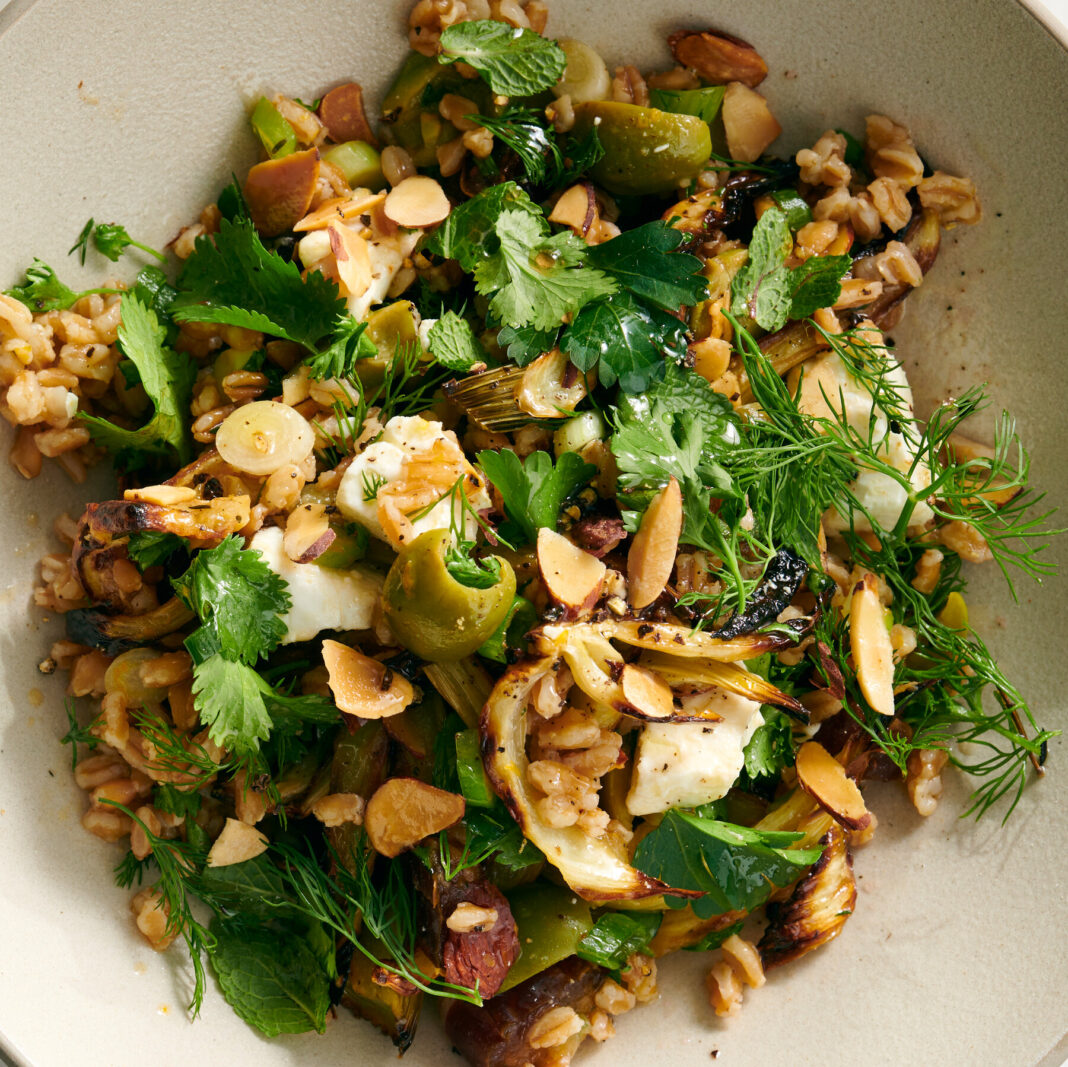
Grain bowls can easily turn into bland, repetitive meals. Ali Slagle offers a better approach for anyone tired of boring desk lunches. Her advice focuses on building flavor and texture with every layer.
Start with a grain that suits your mood. Rice, farro, quinoa, and barley all work well as a base. Cook grains properly and season them while warm so they absorb flavor.
A grain bowl needs contrast to stay interesting. Add something creamy, something crunchy, and something fresh. These three elements keep each bite from feeling flat.
Roasted vegetables bring depth without much effort. Toss them with oil, salt, and spices before cooking. Their caramelized edges add sweetness that balances sharp or salty toppings.
Protein can be simple and flexible. Eggs, beans, tofu, or leftover meat all fit the format. The goal is to add substance, not to complicate the recipe.
Sauce ties everything together. A drizzle of tahini, yogurt, or vinaigrette adds moisture and tang. Make extra sauce and keep it on hand for quick assembly later.
Texture matters as much as taste. Toasted nuts, seeds, or crushed chips give each bowl a satisfying crunch. Add them right before eating so they stay crisp.
Build bowls in advance for busy weekdays. Keep wet ingredients separate from dry ones until serving. This small step prevents soggy grains and keeps flavors bright.
A good grain bowl is not about strict rules. It is about balancing flavors, textures, and temperatures in one bowl. With a little planning, any grain can become a meal worth looking forward to.