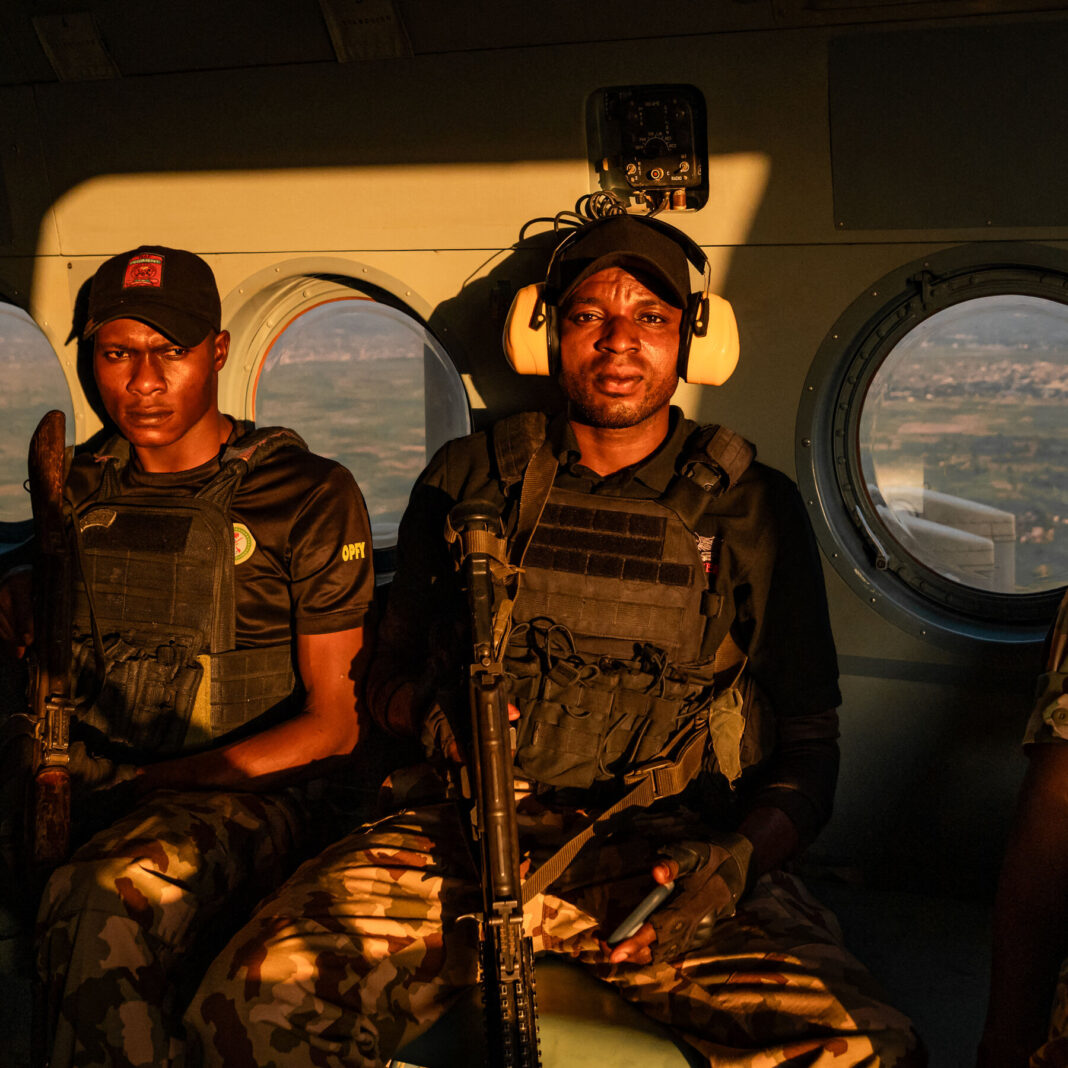
The United States will withdraw 200 troops deployed to Nigeria under the previous administration, according to officials familiar with the decision. The small, limited mission was initially framed as a potential model for future counterterrorism operations.
The deployment began under former President Trump, who dispatched the forces to assist with intelligence and training. At the time, officials argued that a modest footprint could deliver results without a large-scale commitment.
However, militants in the region have continued to carry out deadly attacks. Violence has persisted across northern Nigeria, with no measurable decline in the frequency or lethality of terrorist operations.
Military officials now acknowledge that the mission’s impact was limited. The decision to pull out reflects a broader reassessment of the operation’s effectiveness and strategic value.
The withdrawal comes amid ongoing debates inside the Pentagon about the role of small advisory teams. Proponents say such missions offer flexibility and lower risk. Critics contend that they rarely change the underlying security dynamics.
U.S. forces are expected to depart in an orderly manner over the coming weeks. Nigerian authorities were informed of the decision ahead of the public announcement.
The move does not signal a complete end to American security cooperation with Nigeria. Diplomatic channels and limited logistical support are expected to remain in place.
For now, the episode serves as a cautionary tale about the limits of small deployments. The troops will leave behind a security situation that remains volatile and unresolved.
The Pentagon declined to comment on future counterterrorism strategies in the region. Officials say a fuller review is underway to determine what, if any, role U.S. forces will play in Nigeria going forward.